1. Introduction: Understanding Skin Tanning and Hyperpigmentation
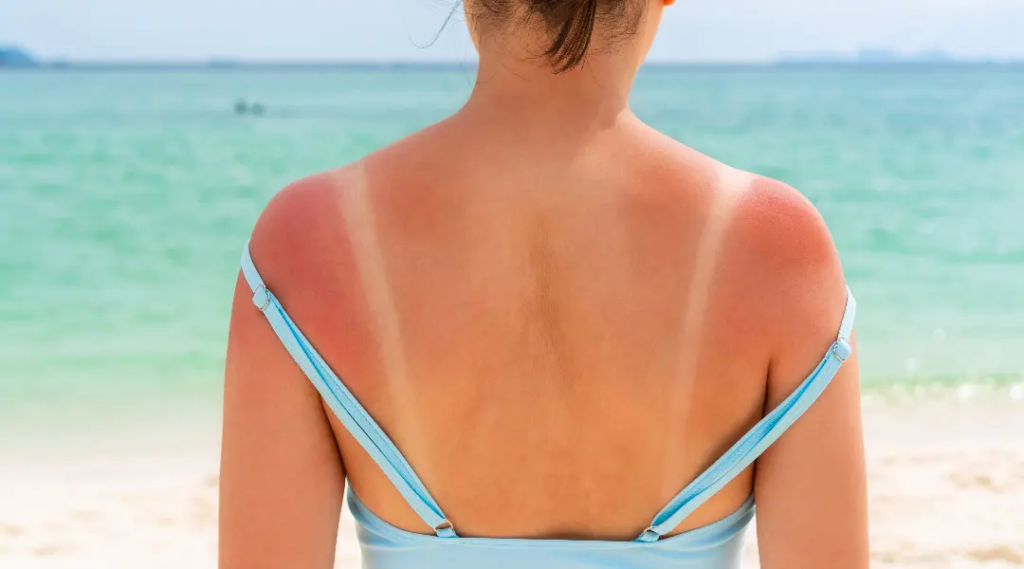
Skin tanning is a widespread aesthetic concern where exposure to ultraviolet (UV) radiation or environmental stressors triggers an overproduction of melanin, leading to darkening, uneven tone, and loss of natural radiance. While tanning is often viewed as a temporary sun response, prolonged or unmanaged sun exposure causes deeper cellular damage, accelerating photoaging, stubborn hyperpigmentation, and structural skin changes.
At Grazia Skin Hair & Laser Clinic in New Delhi, we treat tanning not merely as a surface stain, but as a complex physiological response requiring dermatological expertise, targeted active ingredients, and state-of-the-art clinical technologies. https://graziaskinhairlaserclinic.com/blogs/
The Biology of Tanning: How UV Radiation Alters Pigmentation
When skin is exposed to ultraviolet rays—specifically UVA and UVB:
- UVA Radiation (320–400 nm): Penetrates deep into the dermis. It oxidizes pre-existing melanin precursors, causing rapid darkening (immediate pigment darkening) and generating reactive oxygen species (ROS) that degrade collagen and elastin.
- UVB Radiation (290–320 nm): Targets the epidermis. It stimulates tyrosinase, the core enzyme responsible for synthesizing new melanin in melanocytes (delayed pigment darkening).
- Melanosome Transfer: Melanocytes transfer melanin-filled vesicles (melanosomes) to surrounding keratinocytes, forming a protective “cap” over cell nuclei to shield DNA from further radiation damage. Visible tanning is the external manifestation of this cellular defense mechanism.
Monsoon Tanning: The Hidden Sun Risk
A common misconception is that skin tanning only occurs during peak summer months. However, monsoon weather presents distinct challenges:
- Cloud Transmittance: Up to 80% of UVA rays penetrate cloud cover, continuously triggering melanogenesis even on overcast days.
- High Humidity & Sweating: Elevated humidity dilates pores and increases sebum production. Sweat washes away topical sunscreens, leaving the skin vulnerable to persistent photo-damage.
- Pollution & Particulate Matter: Humidity traps micro-pollutants (PM2.5) on the skin. Environmental pollutants react with UV rays to accelerate inflammatory pigmentation (post-inflammatory hyperpigmentation or PIH).
damaged outer skin layers while simultaneously stimulating cellular turnover.
How Chemical Peels Work to Reverse Tanning:
Enhanced Skin Texture: Over time, this dual action not only lightens stubborn sun spots, but it also visibly refines skin texture and boosts natural radiance.he damaged epidermal layers and accelerate cellular turnover.
Accelerated Exfoliation: Initially, the chemical solution dissolves the intracellular glue holding dead skin cells together, which quickly sheds hyperpigmented surface cells.
Melanin Inhibition: Furthermore, targeted active ingredients like glycolic acid, lactic acid, and kojic acid penetrate the epidermis to actively suppress tyrosinase—the key enzyme responsible for melanin production.
Deep Cellular Renewal: Consequently, as the micro-peeling process unfolds, fresh and unpigmented skin cells emerge from the basal layer to replace the sun-damaged tone.
- Glycolic Acid Peels: Derived from sugar cane, glycolic acid has the smallest molecular size among AHAs, allowing deep penetration to break down desmosomes (cellular bonds), shed tanned surface cells, and stimulate collagen synthesis.
- Lactic & Mandelic Acid Peels: Gentle options for sensitive or dry skin types. Mandelic acid’s larger molecular structure provides even, non-irritating exfoliation while inhibiting tyrosinase.
- TCA (Trichloroacetic Acid) & Melasma Peels: Medium-depth peels formulated with TCA, Kojic Acid, Ferulic Acid, and Glutathione to tackle stubborn, deep-seated tan and solar lentigines.
B. Advanced Laser Tan Removal & Q-Switched Nd:YAG Technology
Laser therapy offers precise, targeted treatment for chronic tanning and deep dermal pigmentation.
- Q-Switched Nd:YAG Laser (1064 nm / 532 nm): Emits high-energy light pulses in nanoseconds. The laser energy selectively targets melanin particles within the skin without damaging surrounding tissue (photo-acoustic fragmentation).
- Mechanism: The fragmented melanin particles are gradually cleared away by the body’s natural lymphatic system over subsequent weeks, revealing clearer, lighter skin.
- Carbon Laser Peel (Hollywood Peel): A layer of liquid carbon is applied to the skin, penetrating deep into pores. The Q-Switched laser vaporizes the carbon particles, instantly removing dead tanned cells, unclogging pores, and tightening skin texture.
C. Medi-Facials & Clinical Hydration Therapies
For instant rejuvenation, environmental detoxification, and superficial tan removal, medi-facials provide a powerful combination of clinical exfoliation and serum infusion.
- Hydra-Dermabrasion: Uses vortex-vacuum technology to simultaneously exfoliate dead skin cells, extract impaction, and infuse high-potency antioxidants (Vitamin C, Hyaluronic Acid, Niacinamide) directly into the skin.
- OxyGeneo Therapy: Combines microdermabrasion with internal oxygenation.
D. Glutathione & Antioxidant Infusion Therapies
Systemic and topical antioxidant administration helps shift melanin production pathways:
- Converts eumelanin (dark brown/black pigment) into pheomelanin (red/yellow lighter pigment).
- Neutralizes free radicals generated by UV exposure and environmental pollution.
3. Comprehensive Pre-Treatment and Aftercare Protocols
Achieving optimal results from clinical tan removal treatments requires strict adherence to pre-treatment preparation and post-procedure care to avoid post-inflammatory hyperpigmentation (PIH).
Pre-Treatment Care
- Discontinue Actives: Stop using Retinoids, Tretinoin, AHA/BHA serums, and strong physical scrubs at least 3–5 days prior to clinical procedures.
- Avoid Excessive Direct Sun Exposure: Do not tan intentionally or visit tanning beds for 2 weeks prior to laser or chemical treatments.
- Hydration: Ensure the skin barrier is healthy by using a non-comedogenic ceramide moisturizer leading up to your session.
Essential Post-Treatment Care
- Strict Photoprotection: Apply a broad-spectrum sunscreen (SPF 50+, PA++++ with blue light protection) every 2 to 3 hours, regardless of indoor or outdoor settings.
- Moisturization & Barrier Support: Use soothing, barrier-repairing creams containing Ceramides, Centella Asiatica, Hyaluronic Acid, and Panthenol to reduce post-treatment redness and accelerate healing.
- Avoid Heat & Friction: Avoid hot showers, saunas, steam rooms, intense workouts, and facial waxing for 48–72 hours post-treatment.
- Do Not Pick or Exfoliate: Allow microscopic peeling or flaking to shed naturally. Forced peeling can result in scarring or secondary hyperpigmentation.
4. Conclusion & Why Choose Grazia Skin Clinic
Unwanted skin tanning and sun damage do not have to be permanent.
At Grazia Skin Hair & Laser Clinic, New Delhi, every treatment plan begins with a thorough dermatological consultation and skin analysis. By combining advanced laser platforms, customized chemical peels, and clinical medi-facials, we deliver safe, predictable, and lasting results for skin clearance and anti-aging care.
5. References
https://www.aad.org/media/stats-sunscreen
https://www.mdpi.com/2077-0383/13/6/1615