Understanding and Managing Hives (Urticaria):
1. Introduction: The Biological Complexity of the Wheal
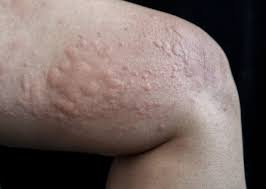
Hives, clinically known as Urticaria, are more than just a passing skin irritation. They represent a complex vascular reaction of the upper dermis, characterized by the sudden appearance of itchy, raised welts (wheals). For many, hives are a fleeting response to a specific trigger, but for others, they become a chronic condition that significantly diminishes quality of life, sleep, and mental well-being.
At Grazia Skin and Hair Clinic, we approach hives as a multifaceted immunological event. We recognize that while the symptoms manifest on the skin, the cause is often an internal “false alarm” of the immune system. Our clinical goal is to identify the source of this mast cell activation and provide targeted therapies that offer not just symptomatic relief, but long-term stabilization of the skin’s reactive threshold.
https://www.aad.org/public/diseases/a-z/hives-treatment
2. The Etiology: What Causes the Skin to Flare?
Hives occur when specialized immune cells in the skin, called mast cells, release histamine and other chemicals into the bloodstream. This causes tiny blood vessels (capillaries) to leak fluid, which accumulates in the skin and forms the characteristic raised bump.
Common Triggers Identified at Grazia Skin Clinic:
- Allergenic Triggers: Reactions to specific foods (nuts, shellfish, eggs), medications (NSAIDs, antibiotics), or insect stings.
- Environmental Stressors: Exposure to extreme heat, cold, sunlight (Solar Urticaria), or even physical pressure on the skin (Dermatographism).
- Infection-Induced: Viral infections (including common colds or hepatitis) and bacterial infections are frequent precursors to acute hives.
- Emotional and Physiological Stress: High cortisol levels can lower the mast cell “firing” threshold, leading to stress-induced breakouts.
- Autoimmune Factors: In chronic cases, the body may produce antibodies that mistakenly attack its own mast cells, causing them to leak histamine persistently.
3. Classification and Types of Hives
Distinguishing the type of urticaria is the first step in our clinical protocol:
- Acute Urticaria: Lasts less than six weeks. It is typically a clear response to a recent trigger (food, medicine, or infection).
- Chronic Spontaneous Urticaria (CSU): Welts that occur almost daily for more than six weeks with no immediately obvious external trigger.
- Physical Urticaria: Triggered by physical stimuli such as cold (Cold Urticaria), vibration, or exercise (Cholinergic Urticaria).
- Dermatographism: A unique form where hives appear in the exact pattern where the skin was scratched or rubbed.
- Angioedema: Often occurring alongside hives, this involves swelling in deeper layers of the skin, typically around the eyes, lips, or throat. This requires immediate clinical attention.
4. Symptoms and Effects
The clinical presentation of hives at Grazia Skin Clinic usually follows a specific pattern:
- Wheals: Raised, red, or skin-colored bumps with clearly defined edges.
- Blanching: When pressed, the center of a red hive turns white.
- Pruritus (Itching): Often intense and accompanied by a stinging or burning sensation.
- The “Migratory” Nature: Individual hives typically fade within 24 hours, but new ones may appear in different locations, making the condition feel constant.
- Psychological Distress: Chronic itching leads to “itch-insomnia,” anxiety, and frustration, which we address through holistic care.
5. Clinical Treatment Procedures at Grazia Skin Clinic
We utilize a stepped-care approach to move patients from discomfort to “Hives-Free” status.
A. Diagnostic Mapping
Before treatment, we perform a detailed “Trigger Audit.” This may include blood tests for IgE levels, thyroid function, or autoimmune markers to rule out underlying systemic issues.
B. Pharmacological Intervention
- Second-Generation Antihistamines: The cornerstone of treatment. We use non-sedating options that block H1 receptors without causing the drowsiness associated with older medicines.
- H2 Blockers: In resistant cases, we may add medications that block H2 receptors to provide a dual-shield against histamine.
- Monoclonal Antibody Therapy (Omalizumab): For patients with severe chronic hives who do not respond to antihistamines, we offer advanced biological injections that target the IgE “key” before it can unlock the mast cell.
C. Topical & Soothing Therapies
While oral meds work internally, we provide clinical-grade soothing wraps and calamine-based infusions to cool the skin and provide immediate relief from the burning sensation.
6. Aftercare: Managing Your “Skin Environment”
Hives management extends beyond the clinic doors. We advise our patients on “Desi-Modern” lifestyle adjustments:
- Cooling the Inflammation: Lukewarm showers only. Hot water dilates blood vessels and can trigger a massive histamine release.
- Fabric Choice: Wear loose, breathable cotton clothing. Synthetic fibers and tight waistbands can trigger “Pressure Urticaria.”
- Dietary Vigilance: Avoid high-histamine foods (fermented items, aged cheeses, processed meats) during an active flare-up.
- Stress Modulation: Since the mind-skin connection is powerful, we recommend breathing exercises to calm the nervous system during a breakout.
- Sun Protection: If you have Solar Urticaria, use a physical mineral sunscreen (Zinc Oxide) to reflect UV rays that trigger the wheals.
7. Conclusion: Restoring the Skin’s Peace
Hives can be a frustrating and “loud” skin condition, but they are treatable. At Grazia Skin and Hair Clinic, our mission is to quiet the internal alarm system causing your skin to react. By combining precise diagnostics with the latest biological and pharmacological treatments, we help you transition from constant itching to lasting skin serenity.
Don’t let hives dictate your life. Consult our specialists at Grazia Skin Clinic for a personalized allergy management roadmap today.