Folliculitis Treatment at Grazia Skin Clinic
Introduction: Understanding Folliculitis and Hair Follicle Health
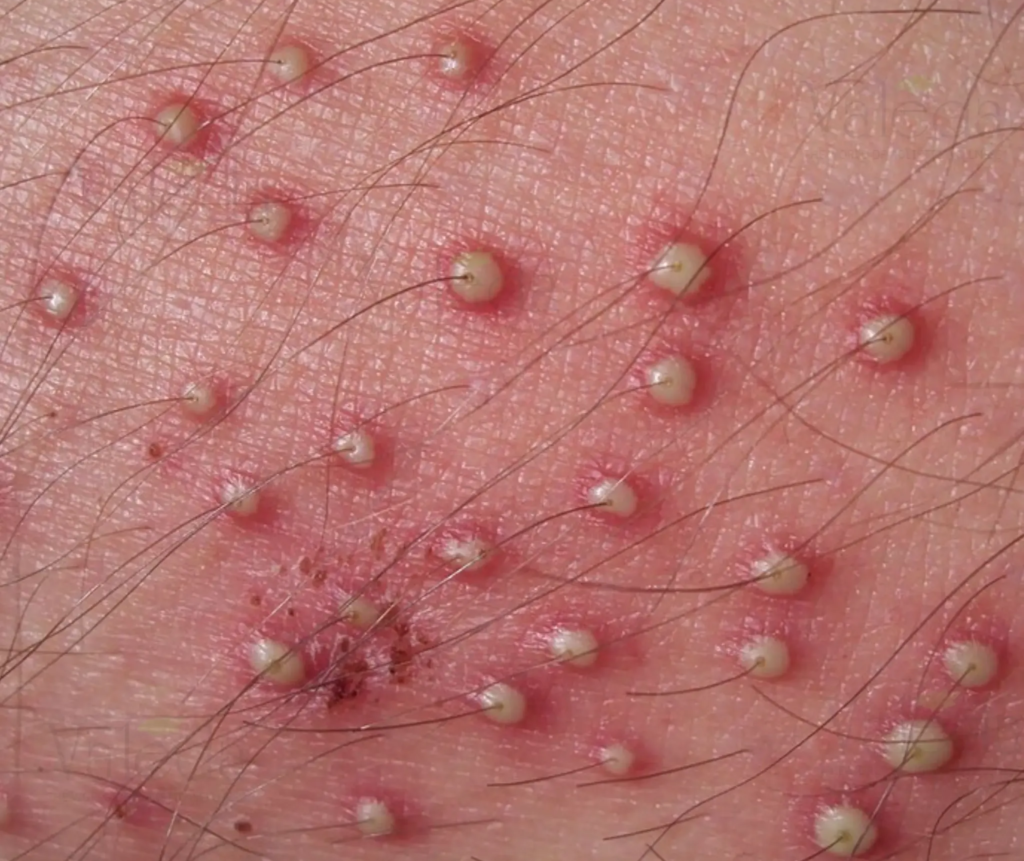
Folliculitis is a common yet persistent inflammatory dermatological condition affecting the hair follicles. It appears as small, red, itchy, or pus-filled bumps that resemble sudden acne breakouts or razor rash. While mild cases may resolve spontaneously, chronic, deep, or recurrent folliculitis requires targeted dermatological intervention to prevent dark spots, scarring, permanent hair loss, and recurring discomfort.
At Grazia Skin Clinic, folliculitis treatment is approached with medical precision and evidence-based clinical protocols. By addressing the root biological cause—whether bacterial, fungal, mechanical, or inflammatory—our team restores skin health, repairs the skin barrier, and prevents future flare-ups.
Causes and Types of Folliculitis
Hair follicles exist across almost the entire body (except the palms, soles, and lips). When damaged or clogged, microorganisms invade the follicle opening, triggering an immune response.
Common triggers and variations include:
- Bacterial Folliculitis: Most frequently caused by Staphylococcus aureus infection. It presents as itchy, pus-filled whiteheads around hair follicles.
- Pityrosporum (Fungal) Folliculitis: Triggered by an overgrowth of Malassezia yeast. It produces itchy, uniform papules, most commonly on the chest, upper back, and shoulders.
- Pseudofolliculitis Barbae (Razor Bumps): Occurs when shaved hairs curve back and pierce the surrounding skin, causing irritation, papules, and dark marks (hyperpigmentation), particularly in the beard and neck area.
- Mechanical & Friction Folliculitis: Caused by tight clothing, continuous friction, excessive sweating, or heavy lipid-based topical ointments that occlude hair follicles.
To read comprehensive clinical medical research regarding infectious folliculitis variants and differential diagnosis, consult resources provided by the National Center for Biotechnology Information (NCBI).
Key Benefits of Professional Folliculitis Treatment
Seeking specialized care at Grazia Skin Clinic provides several distinct advantages over self-treatment with over-the-counter creams:
- Accurate Pathogen Identification: Ensures correct differentiation between fungal, bacterial, and non-infectious mechanical folliculitis, preventing ineffective or worsening treatments.
- Rapid Symptom Relief: Soothes active burning, itching, tenderness, and localized skin inflammation.
- Prevention of Post-Inflammatory Hyperpigmentation (PIH): Prevents long-lasting dark spots and hyperpigmentation through early clinical management.
- Scarring & Alopecia Prevention: Deep folliculitis (boils/furuncles) can destroy hair follicles and lead to permanent scarring if left untreated. Clinical care protects hair structure and tissue integrity.
- Targeted Long-Term Eradication: Addresses systemic and environmental factors to break the cycle of chronic recurrence.
For authoritative guidelines on managing inflammatory skin conditions, review clinical advice from the American Academy of Dermatology (AAD).
Treatment Overview: The Folliculitis Protocol at Grazia Skin Clinic
At Grazia Skin Clinic, every folliculitis protocol is customized to match your specific skin type, infection depth, and affected body area.
1. Comprehensive Diagnostic Evaluation
- Clinical Assessment: First, our dermatologists inspect the affected areas, evaluate infection depth, and analyze lifestyle factors (shaving habits, clothing choices, fitness routines).
- Microbial Testing (When Needed): Next, if fungal or resistant bacterial strains are suspected, skin swabs or scrapings are evaluated to select targeted antimicrobial or antifungal agents.
2. Specialized In-Clinic Procedures
- Medical-Grade Chemical Exfoliation: Our specialists apply mild Salicylic or Mandelic acid peels to unclog congested hair follicles, remove dead skin cells, and lower bacterial loads without mechanical friction.
- Targeted Extraction & Drainage: For localized sterile pustules, our trained medical staff performs hygienic extraction to relieve pressure safely.
- Laser Hair Reduction: For clients suffering from chronic Pseudofolliculitis Barbae or razor bumps, medical-grade laser hair reduction eliminates the underlying trigger by reducing thick hair growth altogether.
- Anti-Inflammatory LED Phototherapy: Blue and Red light therapy targets bacterial strains and calms deep inflammation, accelerating overall tissue repair.
For regulatory and safety standards on medical lasers and clinical dermatological light devices, consult the U.S. Food and Drug Administration (FDA).
Essential Pre-Procedure & Aftercare Guidelines
Following structured care protocols maximizes treatment success and keeps your skin clear and comfortable.
Pre-Treatment Guidelines
- Avoid Mechanical Shaving: Refrain from shaving or waxing the affected area for 48–72 hours prior to your clinical appointment.
- Stop Aggressive Scrubs: Discontinue harsh physical body scrubs or coarse loofahs that irritate inflamed hair follicles.
- Wear Loose Clothing: Wear breathable, loose-fitting cotton clothing to your appointment to prevent localized friction.
Post-Treatment Care Phase (First 24–72 Hours)
| Timeframe | Expected Outcome | Required Care Action |
| Days 1–3 | Reduction in redness, swelling, and localized soreness | Apply prescribed topical antimicrobial or soothing barrier creams as directed |
| Days 4–7 | Drying up of active pustules and reduction in itching | Cleanse gently with non-comedogenic, pH-balanced washes; avoid hot showers |
| Weeks 2–4 | Clearer skin texture and gradual fading of dark spots | Maintain a consistent non-comedogenic routine and apply SPF 50+ to sun-exposed areas |
For further guidance on sun protection during post-inflammatory skin recovery, explore resources from the Skin Cancer Foundation.
Why Choose Grazia Skin Clinic?
- Experienced Dermatologists: Treatments are planned, supervised, and conducted by qualified clinical specialists who understand complex skin conditions.
- Accurate Differential Diagnosis: We avoid generic treatments by diagnosing the exact cause of your follicle irritation before prescribing therapies.
- Advanced Technology: Equipped with modern medical-grade lasers, chemical exfoliants, and phototherapy equipment to deliver safe and reliable results.
- Strict Hygiene Standards: Uncompromising clinical sterilization standards guarantee safe care and protect against cross-contamination.
Conclusion: Restore Smooth, Confident Skin
Ultimately, folliculitis is a manageable condition when guided by correct clinical diagnosis and structured medical protocols. Whether dealing with stubborn razor bumps, fungal breakouts, or bacterial irritation, Grazia Skin Clinic provides targeted solutions that clear active lesions and restore long-term skin health.
Book your personalized Folliculitis consultation at Grazia Skin Clinic today!