Ringworm Treatment at Grazia Skin Clinic.
Introduction: Understanding Ringworm and Fungal Skin Infections
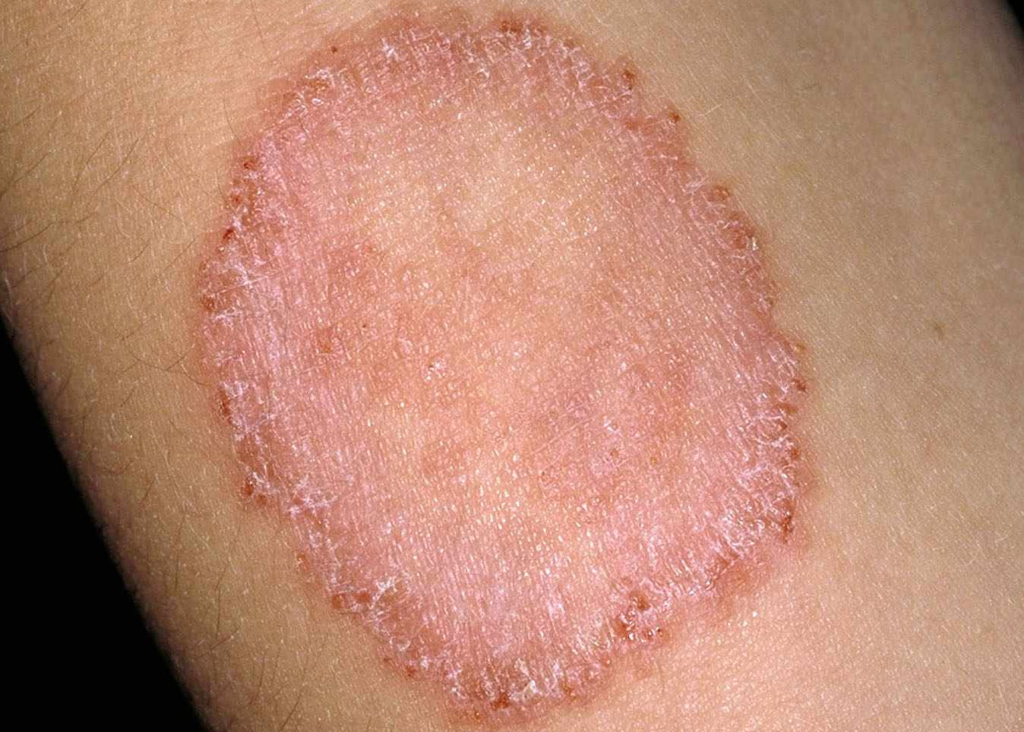
Despite its misleading name, ringworm has nothing to do with worms. Medically known as tinea, ringworm is a highly contagious superficial fungal infection caused by dermatophytes—mould-like fungi that feed on keratin, the protein found in the outer layer of skin, hair, and nails. It typically presents as an itchy, red, circular rash with raised, defined borders and clearer skin in the center, giving it its characteristic “ring” appearance.
While mild cases of ringworm are occasionally managed with over-the-counter creams, stubborn, recurrent, or widespread fungal infections (such as tinea corporis, tinea cruris, or tinea capitis) require professional dermatological intervention. Without precise diagnosis and medical-grade therapy, fungal infections can spread rapidly across the body, transmit to family members, trigger secondary bacterial infections, and leave behind persistent dark spots.
At Grazia Skin Clinic, located in Lajpat Nagar 4, New Delhi, fungal skin infections are managed with clinical precision, advanced diagnostics, and targeted medical protocols. By identifying the specific dermatophyte strain and infection depth, our medical team provides powerful solutions that clear the infection quickly, soothe inflammation, and restore skin health.
The Pathophysiology and Transmission of Dermatophytosis
Understanding how dermatophytes spread and colonize is critical for effective treatment and prevention:
- Keratinophilic Nature: Dermatophytes secrete keratinase enzymes that break down keratin, allowing them to colonize the stratum corneum, hair shafts, and nail beds.
- Modes of Transmission: The infection spreads easily through direct skin-to-skin contact with infected individuals, contact with contaminated items (clothing, towels, gym equipment), or transmission from domestic pets.
- Environmental Factors: Warm, humid environments, excessive sweating, and localized skin friction create ideal conditions for fungi to multiply rapidly.
For authoritative clinical research regarding the classification, transmission dynamics, and dermatological management of superficial fungal infections, consult the National Center for Biotechnology Information (NCBI).
Key Benefits of Professional Ringworm Treatment
Seeking specialized care at Grazia Skin Clinic provides several distinct clinical advantages over self-treating with random over-the-counter anti-fungal creams:
- Accurate Pathogen Identification: Ensures precise differentiation between ringworm, eczema, psoriasis, and contact dermatitis, preventing ineffective treatments that can worsen the rash.
- Faster Symptom Relief: Relieves intense itching, burning, and localized skin irritation rapidly through medical-grade topical and oral anti-fungal agents.
- Prevents Spreading & Recurrence: Eradicates deep-seated fungal spores completely, stopping the cycle of recurring outbreaks and preventing transmission to others.
- Minimizes Post-Inflammatory Marks: Expert clinical management reduces the risk of long-lasting hyperpigmentation and scarring following infection clearance.
- Customized Lifestyle Guidance: Our dermatologists help you identify environmental vectors and hygiene habits to protect your skin moving forward.
For professional guidelines on diagnosing and treating superficial skin mycoses, review resources from the American Academy of Dermatology (AAD).
Treatment Overview: The Ringworm Protocol at Grazia Skin Clinic
At Grazia Skin Clinic, every fungal treatment protocol is customized to match the severity, location, and persistence of the infection.
1. Comprehensive Clinical Evaluation & Diagnosis
- Dermatological Inspection: First, our qualified dermatologists examine the lesion borders, distribution pattern, and skin depth to confirm a definitive diagnosis.
- Skin Scraping & Microscopy (When Needed): To identify the specific dermatophyte strain. In complex or resistant cases, a gentle skin scraping is analyzed through a microscopeIn complex or resistant cases .
2. Advanced In-Clinic Procedures & Medical Therapies
- Prescription-Strength Topical Antifungals: Application of high-potency, broad-spectrum antifungal creams or lotions (such as azoles or allylamines) tailored to penetrate thick skin layers.
- Targeted Oral Antifungal Regimens: Targeted oral antifungal medications are prescribed to clear the infection systematically.For extensive, deep-seated, or hair-bearing area infections (like scalp ringworm.
- Medical-Grade Cleansing & Exfoliation: Specialized cleansing protocols remove debris, soothe inflammation, and prep the skin barrier for optimal topical absorption.
- Secondary Infection Management: If scratching caused breaks in the skin leading to secondary bacterial colonization, targeted antimicrobial therapy is incorporated immediately.
For safety standards and regulatory guidelines concerning pharmaceutical dermatological treatments, review information from the U.S. Food and Drug Administration (FDA).
Essential Pre-Procedure & Aftercare Guidelines
Following proper treatment protocols and strict hygiene maintenance ensures complete eradication of the fungus and prevents reinfection.
Treatment Guidelines & Best Practices
- Complete the Full Course: Never stop applying or taking your prescribed antifungals prematurely just because the visible rash has faded; complete the entire course to kill residual spores.
- Keep the Area Clean and Dry: Wash the infected area daily with a mild, fragrance-free cleanser and dry thoroughly using a clean towel.
- Avoid Sharing Personal Items: Strictly avoid sharing towels, clothing, hairbrushes, or athletic gear to prevent spreading the infection to others.
Post-Treatment Care Phase (First 7–14 Days)
| Timeframe | Expected Outcome | Required Care Action |
| Days 1–3 | Reduction in intense itching, shrinking of active red borders | Apply prescribed topical medications consistently; keep the area dry and airy |
| Days 4–7 | Flattening of raised borders, cessation of new lesion formation | Wash all bed linens, towels, and clothing in hot water to eliminate lingering fungal spores |
| Weeks 2–4 | Complete clearance of active infection, fading of residual marks | Maintain rigorous personal hygiene, wear breathable cotton fabrics, and apply broad-spectrum SPF to healing areas |
Additionally, for expert recommendations on daily skin barrier maintenance and hygiene protection against recurrent infections, explore resources from the Skin Cancer Foundation.
Why Choose Grazia Skin Clinic?
- Expert Dermatological Supervision: Qualified medical professionals specializing in clinical dermatology, performs and supervise All fungal assessments and medical protocols.
- Accurate Diagnostics: We eliminate guesswork by properly testing and identifying skin pathogens before starting treatment.
- Comprehensive Care Plans: Every treatment is designed for your unique lifestyle, infection severity, and skin sensitivity.
- Convenient Location: Centrally located at B-100, Lower Ground, Dayanand Colony, Lajpat Nagar 4, New Delhi, offering accessible, world-class medical and aesthetic care.
Conclusion: Reclaim Healthy, Uncompromised Skin
Ultimately, while ringworm and other fungal infections are stubborn and uncomfortable, they are entirely treatable with expert medical guidance. By combining precise diagnosis, medical-grade prescriptions, and strict hygiene protocols, you can eliminate the infection and restore clear skin. Grazia Skin Clinic provides the expert medical support and safe environment you need to heal completely.
Book your ringworm consultation at Grazia Skin Clinic today by calling 7428990040 or 9667930040, or visit our clinic at B-100, Dayanand Colony, Lajpat Nagar-4, New Delhi to explore our complete range of skin rejuvenation services and contact our specialists for a customized treatment plan!
https://www.ncbi.nlm.nih.gov/https://www.aad.org/https://www.fda.gov/https://www.skincancer.org/https://graziaskinhairlaserclinic.com/