
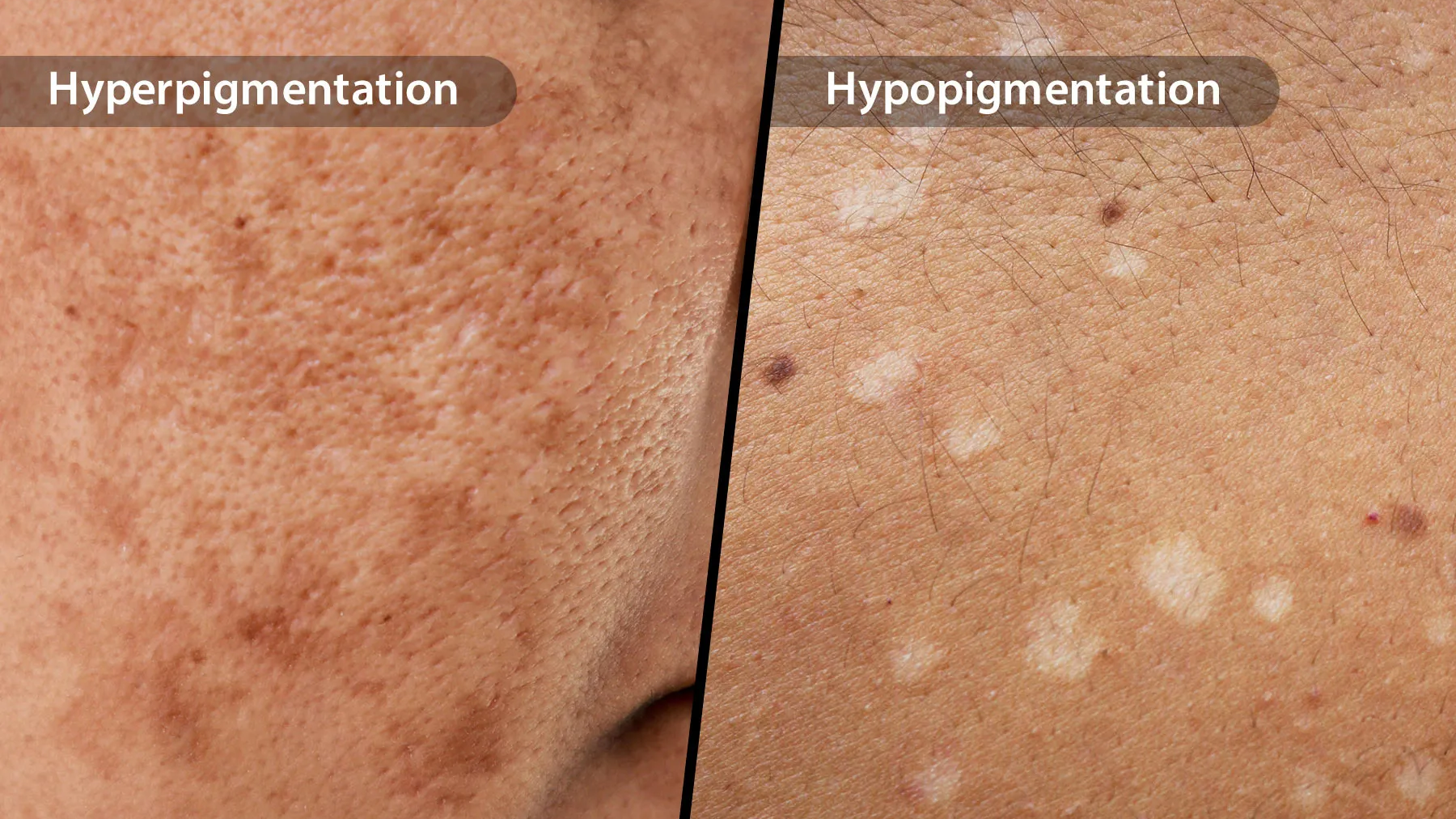
Introduction: Understanding Hypopigmentation and Skin Pigmentation
Skin tone is one of the most defining characteristics of human appearance, serving both aesthetic and functional protective roles. The nuanced color of your skin is governed by melanin, a natural complex pigment produced within specialized cellular units called melanocytes. Located primarily in the basal layer (stratum basale) of the epidermis, melanocytes synthesize melanin via an enzymatic pathway centered on the enzyme tyrosinase. Once created, melanin is packaged into microscopic organelles called melanosomes, which are then transferred along dendritic pathways into surrounding epidermal cells (keratinocytes).
When this process functions harmoniously, skin maintains a uniform, healthy tone while staying protected from harmful ultraviolet (UV) radiation. However, when melanocytes become damaged, dysfunctional, or destroyed, melanin production drops sharply or ceases altogether. This breakdown leads to hypopigmentation—a dermatological condition characterized by localized or widespread patches of skin that appear significantly lighter than the surrounding area.
       [ Melanocyte Health & Function ]
                     │
      ┌──────────────┴──────────────┐
      ▼                             ▼
Normal Melanin               Melanocyte Damage /
  Production                   Destruction
      │                             │
      ▼                             ▼
Uniform Skin Tone           Hypopigmentation
                         (Lighter Patches/Loss of Color)
At Grazia Skin Clinic, we understand that hypopigmentation is far more than a surface-level cosmetic concern. Lighter patches on the face, arms, neck, or body can cause severe emotional distress, self-consciousness, and a loss of confidence. Unlike hyperpigmentation (the overproduction of dark spots), hypopigmentation represents a loss of structural pigment, making it historically one of the most complex conditions in medical aesthetic dermatology.
Restoring pigment requires deep cellular expertise, cutting-edge medical technologies, and individualized treatment protocols. At Grazia Skin Clinic, our board-certified dermatologists and aesthetic specialists utilize advanced clinical solutions—from targeted light therapies and fractional lasers to regenerative micro-needling and topical immunomodulators—to awaken dormant melanocytes and restore your skin’s natural tone.
The Biological Mechanism of Hypopigmentation
To understand how to reverse hypopigmentation, it is essential to explore what happens at the cellular level when skin loses its pigment. Melanin exists in two main forms: eumelanin (brown and black pigments providing high photoprotection) and pheomelanin (red and yellow pigments offering lower photoprotection). The balance and concentration of these pigments determine your baseline skin tone, categorized on the Fitzpatrick Skin Phototype Scale (Types I through VI).
Hypopigmentation occurs through three primary cellular disruptions:
- Melanopenia (Reduced Melanin Production): Melanocytes remain present in the tissue, but their enzymatic machinery (tyrosinase activity) is suppressed or damaged, leading to reduced pigment transfer.
- Melanocytopenia (Loss of Melanocytes): The total density of functional melanocytes drops due to autoimmune destruction, mechanical trauma, severe burns, or chemical damage.
- Defective Melanosome Transport: Melanocytes produce pigment, but structural disruption prevents melanosomes from transferring into surrounding keratinocytes.
+------------------------------------------------------------------------------------+
|                         MECHANISMS OF HYPOPIGMENTATION                             |
+----------------────────────+────────────────────────────+--------------------------+
| MECHANISM                  | CELLULAR EVENT             | TYPICAL CLINICAL CAUSE   |
+----------------────────────+────────────────────────────+--------------------------+
| Melanopenia                | Intact cells, suppressed   | Post-inflammatory states,|
|                            | tyrosinase enzyme activity | pityriasis alba          |
+----------------────────────+────────────────────────────+--------------------------+
| Melanocytopenia            | Destruction / loss of      | Vitiligo, deep burn      |
|                            | functional melanocytes     | scars, severe trauma     |
+----------------────────────+────────────────────────────+--------------------------+
| Defective Transport        | Blocked melanosome transfer| Genetic syndromes,       |
|                            | to keratinocytes           | post-procedure injury    |
+----------------────────────+────────────────────────────+--------------------------+
Regardless of the underlying trigger, unaddressed hypopigmentation leaves the affected skin biologically vulnerable. Because melanin acts as a natural shield against ultraviolet radiation, depigmented zones lack structural defense against UV damage, making precision medical care essential.
Causes and Types of Hypopigmentation
Hypopigmentation manifests in various forms, stemming from genetic factors, autoimmune responses, inflammatory skin diseases, environmental trauma, and improper aesthetic procedures.
                    ┌─────────────────────────────────────────┐
                    │       CAUSES OF HYPOPIGMENTATION        │
                    └────────────────────┬────────────────────┘
                                         │
     ┌──────────────────┬────────────────┼──────────────────┬──────────────────┐
     ▼                  ▼                ▼                  ▼                  ▼
 Autoimmune         Inflammatory      Infectious         Traumatic /        Aesthetic /
 Conditions          Dermatoses       Infections          Surgical          Iatrogenic
 (e.g., Vitiligo)   (e.g., Eczema)   (e.g., Tinea)      (Scars, Burns)    (Laser Burns)
1. Vitiligo
Vitiligo is an autoimmune condition in which the body’s immune system mistakenly targets and destroys its own melanocytes. This results in smooth, milky-white patches (macules or plaques) that can appear anywhere on the body, including the face, hands, wrists, and mucosal membranes. Vitiligo is generally categorized into:
- Non-Segmental Vitiligo: The most common form, presenting bilateral, symmetrical patches across both sides of the body.
- Segmental Vitiligo: Restricted to a single dermatome or segment on one side of the body, often appearing earlier in life and stabilizing faster.
2. Post-Inflammatory Hypopigmentation (PIH)
When the skin suffers acute inflammation—such as severe acne, eczema, psoriasis, contact dermatitis, or localized skin infections—the surrounding skin architecture undergoes immune stress. As the tissue heals, melanocyte function can drop, leaving behind pale, light spots where the injury occurred. PIH is particularly common in individuals with medium-to-dark skin tones (Fitzpatrick Types III–VI).
3. Pityriasis Alba
Common in children and young adults, pityriasis alba presents as dry, faintly scaly, light-colored patches, most frequently on the cheeks, jawline, and lateral arms. It is widely considered a minor manifestation of atopic dermatitis and often intensifies following sun exposure, as the surrounding normal skin tans while the affected areas remain pale.
4. Tinea Versicolor (Pityriasis Versicolor)
This superficial fungal infection is caused by an overgrowth of Malassezia yeast, a natural organism residing on the skin. The yeast produces dicarboxylic acids (such as azelaic acid), which inhibit the tyrosinase enzyme within melanocytes, preventing normal pigment production. This creates distinct, finely scaling patches that fail to tan in the sun.
5. Traumatic, Burn, and Surgical Scars
Deep physical trauma that penetrates the papillary and reticular dermis—such as second- or third-degree burns, surgical incisions, or deep lacerations—often destroys local melanocytes and skin appendages. As fibrous collagen replaces the damaged tissue, the resulting scar tissue frequently remains permanently hypopigmented or depigmented.
6. Iatrogenic / Aesthetic Post-Procedure Hypopigmentation
Aggressive or incorrectly administered aesthetic treatments can unintentionally damage melanocytes. Poorly performed deep chemical peels, aggressive ablation using $CO_2$ lasers, improper IPL (Intense Pulsed Light) settings, or cryotherapy can overheat or freeze epidermal cells, causing thermal damage that leads to persistent, light-colored scarring.
7. Congenital and Genetic Conditions
Conditions such as Albinism (an inherited genetic deficiency impairing melanin synthesis) and Piebaldism (an autosomal dominant disorder characterized by localized absence of melanocytes, often showing a white forelock) represent lifelong structural pigment variations.
Hypopigmentation vs. Hyperpigmentation
Understanding the difference between hyperpigmentation and hypopigmentation is critical when choosing an effective treatment plan.
+------------------------------------------------------------------------------------+
|                   HYPOPIGMENTATION vs. HYPERPIGMENTATION                           |
+-----------------------+----------------──────────+---------------------------------+
| CLINICAL FEATURE      | HYPOPIGMENTATION         | HYPERPIGMENTATION               |
+-----------------------+----------------──────────+---------------------------------+
| Cellular Activity     | Melanocyte loss or       | Melanocyte overactivity /       |
|                       | suppressed production    | excess melanin secretion        |
+-----------------------+----------------──────────+---------------------------------+
| Visual Appearance     | Lighter, pale, or        | Darker brown, grey, or          |
|                       | chalky white patches     | black spots / patches           |
+-----------------------+----------------──────────+---------------------------------+
| Primary Triggers      | Autoimmunity, severe     | UV radiation, hormonal changes  |
|                       | trauma, post-inflammation| (Melasma), friction, acne       |
+-----------------------+----------------──────────+---------------------------------+
| Core Therapeutic Goal | Re-activate melanocytes; | Suppress tyrosinase; break down |
|                       | stimulate repigmentation | excess pigment clumps           |
+-----------------------+----------------──────────+---------------------------------+
| Primary Modalities    | UVB light, Excimer,      | Q-switched lasers, chemical     |
|                       | Microneedling, Tacrolimus| peels, hydroquinone, retinoids  |
+-----------------------+----------------──────────+---------------------------------+
Why Choose Grazia Skin Clinic for Your Skin Care Journey?
Treating hypopigmentation demands an exceptional level of medical skill, advanced diagnostic equipment, and carefully tailored treatment protocols. Grazia Skin Clinic stands out as a leading center for advanced dermatology and laser therapies for several key reasons:
- Board-Certified Dermatological Expertise: Our clinical team consists of skilled dermatologists and aesthetic specialists with extensive experience in managing complex pigmentary disorders.
- State-of-the-Art Technology: We feature clinical technology including 308nm targeted excimer phototherapy, fractional ablative and non-ablative lasers, precision radiofrequency microneedling systems, and digital dermoscopy platforms.
- Customized Multi-Modal Protocols: Because single-modality treatments rarely yield complete repigmentation, we design layered, synergistic treatment plans that combine light therapy, microneedling, medical topicals, and regenerative biological therapies.
- Holistic Patient Care: Beyond clinical procedures, we provide structured long-term follow-up, post-procedure rehabilitation, nutritional guidance, and emotional support throughout your repigmentation journey.
Treatments for Hypopigmentation at Grazia Skin Clinic
At Grazia Skin Clinic, we treat hypopigmentation through a comprehensive, medically grounded process. Restoring lost skin pigment requires a carefully planned strategy that calms active tissue inflammation, encourages dormant melanocytes at the borders of the patch to migrate inward, and stimulates local stem cells within the hair follicle bulge (outer root sheath) to generate new, functional melanocytes.
                         ┌─────────────────────────────────┐
                         │   RE-PIGMENTATION DYNAMICS      │
                         └────────────────┬────────────────┘
                                          │
       ┌──────────────────────────────────┼──────────────────────────────────┐
       ▼                                  ▼                                  ▼
 Follicular Migration               Marginal Inward Growth             Melanocyte Activation
 (Stem cells in hair follicle        (Melanocytes move from             (Tyrosinase enzyme path
 move to surface skin)               healthy border tissue)             reactivated by light/needling)
In-Clinic Procedures
+------------------------------------------------------------------------------------+
|              ADVANCED IN-CLINIC PROCEDURES AT GRAZIA SKIN CLINIC                   |
+-------------------------+----------------──────────────+---------------------------+
| PROCEDURE               | TARGET MECHANISM             | IDEAL CANDIDATE           |
+-------------------------+----------------──────────────+---------------------------+
| 308nm Excimer Laser /   | Targeted UVB light triggers  | Vitiligo, stable PIH,     |
| Phototherapy            | melanocyte proliferation     | localized light patches   |
+-------------------------+----------------──────────────+---------------------------+
| Fractional Laser        | Micro-thermal zones trigger  | Hypopigmented burn/surgical|
| Resurfacing             | wound healing and cell flow  | scars, structural damage  |
+-------------------------+----------------──────────────+---------------------------+
| Medical Microneedling + | Physical channels allow deep | Post-inflammatory loss,   |
| Dermapen Therapy        | growth-factor penetration    | stubborn focal patches    |
+-------------------------+----------------──────────────+---------------------------+
| Platelet-Rich Plasma    | Autologous growth factors    | Refractory vitiligo,      |
| (PRP) Therapy           | stimulate tissue repair      | slow-responding scars     |
+-------------------------+----------------──────────────+---------------------------+
| Autologous Melanocyte   | Transfers healthy cellular   | Stable non-segmental &    |
| Transfer (Surgical)     | pigment unit to white zone   | segmental vitiligo        |
+-------------------------+----------------──────────────+---------------------------+
1. Targeted Light Therapy and 308nm Excimer Laser
Phototherapy is a cornerstone treatment for localized hypopigmentation and vitiligo. At Grazia Skin Clinic, we utilize targeted narrowband ultraviolet B (NB-UVB) systems and the 308nm Excimer Laser.
- How It Works: The 308nm Excimer system delivers concentrated monochromatic UVB light directly to affected skin patches without exposing healthy surrounding tissue. This precise wavelength induces localized T-cell apoptosis (stopping autoimmune destruction) while simultaneously stimulating dormant melanocytes in the hair follicle outer root sheath to proliferate and migrate to the surface.
- The Clinical Experience: Treatment sessions take only a few minutes per area and are completely non-invasive and painless. Patients typically feel a mild, comfortable warmth on the skin.
- Treatment Frequency: 2 to 3 sessions per week over 12 to 24 weeks, depending on the response and location of the patches.
2. Fractional Laser Resurfacing
For hypopigmentation linked to structural tissue changes—such as surgical scars, burn marks, or post-traumatic injury—fractional laser technology offers a powerful solution.
- How It Works: Using fractional non-ablative or erbium-doped fractional ablative lasers, our dermatologists create microscopic thermal treatment zones (MTZs) deep in the dermis. This controlled thermal process breaks down fibrous scar tissue, stimulates collagen remodeling, and encourages healthier neighboring melanocytes to migrate into the treated micro-channels.
- The Clinical Experience: A topical numbing cream is applied 45 minutes before the procedure to ensure patient comfort. Post-procedure skin may show mild redness and light swelling for 48 to 72 hours.
- Treatment Frequency: 3 to 6 sessions spaced 4 to 6 weeks apart.
3. Medical Microneedling (Collagen Induction Therapy)
Medical microneedling uses sterile, motorized micro-needles to create thousands of controlled micro-punctures in the dermis.
- How It Works: The micro-injuries trigger a natural wound-healing cascade, releasing key growth factors including Transforming Growth Factor-beta (TGF-$\beta$), Platelet-Derived Growth Factor (PDGF), and Fibroblast Growth Factor (FGF). This regenerative environment stimulates local melanocyte movement into depigmented zones. Additionally, these micro-channels dramatically improve the absorption of topical repigmenting agents applied immediately after treatment.
- The Clinical Experience: Performed under topical anesthesia, the procedure takes 30 to 45 minutes. The skin typically displays a light pink flush, similar to a mild sunburn, which subsides within 24 to 48 hours.
- Treatment Frequency: 4 to 8 sessions spaced 3 to 4 weeks apart.
4. Autologous Platelet-Rich Plasma (PRP) & Growth Factor Therapy
PRP therapy harnesses the natural healing power of your own blood to support repigmentation in resistant skin areas.
- How It Works: A small sample of the patient’s blood is drawn and spun in a specialized centrifuge to isolate platelet-rich plasma, which contains high concentrations of autologous growth factors. When injected into or applied alongside microneedling over hypopigmented patches, PRP releases PDGF, VEGF, and EGF. These growth factors calm local inflammation, encourage blood vessel formation (angiogenesis), and activate melanocyte stem cells.
- The Clinical Experience: PRP is frequently combined with microneedling or fractional lasers to maximize depth of delivery and overall therapeutic impact.
5. Advanced Surgical Options: Autologous Melanocyte-Keratinocyte Cell Transplantation (MKTP)
For stable, long-standing hypopigmentation or vitiligo that has not responded to topical or phototherapy options, Grazia Skin Clinic offers advanced surgical cellular transplantation.
- How It Works: A thin skin sample (donor graft) is taken from an unexposed, fully pigmented site (such as the upper thigh or gluteal region). In our specialized lab setting, the tissue is treated with enzymes to separate the epidermal cells and create a suspension of active melanocytes and keratinocytes. The hypopigmented area (recipient site) is gently prepared using superficial dermabrasion or a laser, and the cellular suspension is applied directly to the site under a protective biological dressing.
- Expected Outcome: Over the following weeks, the transplanted melanocytes attach, multiply, and begin producing natural pigment, blending the treated patch seamlessly into the surrounding skin.
Topical and Medical Treatments
To complement in-clinic procedures, our dermatologists design customized prescription topical regimens to stabilize active pigment loss and support ongoing repigmentation.
- Topical Calcineurin Inhibitors (TCIs): Medications such as Tacrolimus (0.03% or 0.1%) and Pimecrolimus (1%) are highly effective non-steroidal topical immunomodulators. They suppress localized immune responses against melanocytes without causing skin thinning, making them ideal for sensitive areas like the face, eyelids, neck, and skin folds.
- Topical Corticosteroids (TCS): High- or medium-potency corticosteroid creams (such as Clobetasol propionate or Mometasone furoate) may be prescribed for short, controlled periods during early or rapidly spreading hypopigmentation. They help suppress active tissue inflammation and prevent further pigment loss.
- Topical JAK Inhibitors (Janus Kinase Inhibitors): Modern targeted creams like Ruxolitinib represent a major advancement in vitiligo care. By blocking specific inflammatory pathways (interferon-gamma signaling) that destroy melanocytes, JAK inhibitors help re-establish a healthy environment for natural repigmentation.
- Topical Prostaglandin Analogs: Formulations containing Bimatoprost or Latanoprost—originally developed for ophthalmology—have been shown to stimulate melanocyte proliferation and tyrosinase activity when applied to resistant hypopigmented patches.
- Antifungal Topical Solutions: For hypopigmentation caused by fungal infections like Tinea Versicolor, targeted topical antifungals (such as Ketoconazole, Selenium Sulfide, or Clotrimazole) eliminate yeast overgrowth, allowing skin tone to return to normal with sun exposure over time.
Homecare and Lifestyle Recommendations
Professional care yields the best results when paired with consistent, supportive home habits:
- Strict Broad-Spectrum Sun Protection: Depigmented skin lacks natural protective melanin, making it far more vulnerable to UV damage and sunburn. Apply a broad-spectrum, water-resistant sunscreen with SPF 50+ containing zinc oxide or titanium dioxide every morning, and reapply every 2 hours during sun exposure. Protecting surrounding normal skin also reduces strong contrast from tanning.
- Gentle, Barrier-Supportive Skincare: Avoid harsh physical scrubs, strong exfoliating acids (high-percentage glycolic or salicylic acids), or irritating alcohol-based toners over light patches. Use gentle, pH-balanced cleansers and barrier-repair creams containing ceramides, hyaluronic acid, and niacinamide.
- Nutritional and Antioxidant Support: Cellular regeneration benefits from internal nutritional support. A balanced diet rich in antioxidants (Vitamins C, E, and Alpha-Lipoic Acid), Zinc, Folic Acid, and Vitamin $B_{12}$ helps reduce cellular oxidative stress and supports healthy melanocyte function.
Step-by-Step Patient Journey at Grazia Skin Clinic
At Grazia Skin Clinic, your care follows a clear, structured path designed to prioritize safety, comfort, and clinical effectiveness:
+-----------------------------------------------------------------------------------+
|                  YOUR CLINICAL JOURNEY AT GRAZIA SKIN CLINIC                      |
+-----------------------------------------------------------------------------------+
| [STEP 1] Comprehensive Diagnostic Evaluation & Wood's Lamp Analysis               |
|                                         │                                         |
| [STEP 2] Customized Medical Protocol & Baseline Photography                       |
|                                         │                                         |
| [STEP 3] Active Phase: Combined Clinical Procedures & Topicals                   |
|                                         │                                         |
| [STEP 4] Monitoring, Dermoscopic Review & Protocol Adjustments                    |
|                                         │                                         |
| [STEP 5] Maintenance & Long-Term Barrier Protection Plan                          |
+-----------------------------------------------------------------------------------+
Step 1: Comprehensive Diagnostic Evaluation
Your journey begins with a thorough clinical assessment by our board-certified dermatologists. We evaluate your medical history, onset timeline, family history of pigmentary or autoimmune conditions, and previous treatments. Using specialized diagnostic tools—including Wood’s Lamp Examination (using transilluminating blacklight to define patch depth and borders) and high-resolution Digital Dermoscopy—we precisely identify the type and depth of your hypopigmentation.
Step 2: Customized Treatment Blueprint
Based on your diagnosis, skin phototype, and lifestyle, we create a tailored treatment plan. This blueprint outlines the recommended combination of in-clinic procedures, prescription topicals, projected timeline, and pre-procedure care instructions.
Step 3: Combined Treatment Phase
You begin your planned clinical sessions—such as 308nm Excimer light therapy, fractional laser resurfacing, or targeted microneedling—supported by your customized topical regimen. Our clinical staff tracks your progress carefully throughout this phase, adjusting treatment parameters as your skin responds.
Step 4: Maintenance and Long-Term Stability
Once the target patches achieve satisfactory pigment restoration, we transition your care to a maintenance phase. This step focuses on stabilizing the newly formed melanocytes, strengthening the skin barrier, and maintaining an even, radiant complexion over the long term.
Aftercare and Maintenance for Hypopigmentation
Achieving repigmentation is an exciting milestone, but protecting and maintaining your results requires dedicated post-procedure care. Freshly repigmented tissue is delicate, sensitive, and requires careful protection to ensure long-term stability.
                  ┌───────────────────────────────────────────┐
                  │    POST-PROCEDURE AFTERCARE PILLARS       │
                  └─────────────────────┬─────────────────────┘
                                        │
     ┌──────────────────┬───────────────┴───────────────┬──────────────────┐
     ▼                  ▼                               ▼                  ▼
UV Defense          Barrier Support                 Gentle Care         Routine Check-ups
(SPF 50+ Zinc)     (Ceramides / Hyaluronic)        (Avoid Friction)    (Dermatology Follow-up)
Post-Treatment Care Protocols
The immediate hours and days following in-clinic procedures (such as lasers, light therapy, or microneedling) are critical for optimal healing:
- Immediate Post-Procedure Rest Period (0–48 Hours): Mild redness, subtle swelling, or light tenderness in the treated zone is completely normal. Apply cold, sterile compresses or soothing gel formulations (such as pure aloe vera or panthenol-based creams) recommended by your dermatologist.
- Moisturization and Barrier Repair: Keep the treated area hydrated. Apply rich, fragrance-free barrier repair creams packed with ceramides, squalane, and fatty acids to rebuild the stratum corneum and lock in moisture.
- Avoid Mechanical & Chemical Friction: Do not rub, scratch, pick, or scrub treated patches. Avoid tight, abrasive clothing over treated body zones, and pause active ingredients like retinoids, AHAs, BHAs, or vitamin C serums until cleared by your dermatologist.
- Strict Sun Avoidance: Avoid direct sun exposure for at least 7 to 10 days post-procedure. When outdoors, wear wide-brimmed hats, protective clothing, and apply broad-spectrum physical sunscreen generously.
Long-Term Maintenance and Prevention Strategies
To protect your results and reduce the risk of recurring pigment loss, integrate these ongoing habits into your routine:
- Year-Round Sun Safety: Make broad-spectrum sunscreen part of your daily routine regardless of season or weather. UV rays penetrate clouds and glass, and excess UV stress can trigger new inflammatory responses that threaten stable melanocytes.
- Avoid Skin Trauma (Koebner Phenomenon): In individuals prone to vitiligo or post-inflammatory pigment changes, mechanical skin trauma (scratching, aggressive friction, tight straps, or deep cuts) can trigger new light patches—a reaction known as the Koebner Phenomenon. Handle your skin gently during daily cleansing, shaving, and body care.
- Prompt Management of Inflammatory Flares: If you develop eczema, acne, or skin infections, seek dermatological care quickly. Treating underlying inflammation early helps prevent damage to melanocytes and lowers the risk of new post-inflammatory hypopigmentation.
- Consistent Follow-Up Appointments: Schedule regular check-ups at Grazia Skin Clinic every 3 to 6 months. These visits allow our dermatologists to monitor repigmented areas with digital dermoscopy, fine-tune your maintenance regimen, and address any early skin changes right away.
What to Avoid: Common Pitfalls and Myths
Navigating pigment recovery can be challenging, and unverified advice can lead to setbacks. Here are key pitfalls to avoid:
+------------------------------------------------------------------------------------+
|                  COMMON HYPOPIGMENTATION MYTHS vs. CLINICAL FACTS                  |
+----------------------------------+-------------------------------------------------+
| MYTH                             | CLINICAL REALITY                                |
+----------------------------------+-------------------------------------------------+
| "Unprotected sun exposure cures  | Unprotected UV radiation burns melanocyte-free  |
| white patches."                  | tissue, risking severe damage and scarring.    |
+----------------------------------+-------------------------------------------------+
| "Exfoliating scrubs bring color  | Aggressive friction causes trauma that can      |
| back faster."                    | worsen hypopigmentation via Koebnerization.     |
+----------------------------------+-------------------------------------------------+
| "Hypopigmentation is contagious  | It is entirely non-contagious; caused by inner  |
| and spreads through contact."    | immune, genetic, or post-inflammatory factors.  |
+----------------------------------+-------------------------------------------------+
| "Chemical lighteners work for    | Whitening products damage remaining pigment    |
| light patches."                  | and worsen overall skin tone contrast.          |
+----------------------------------+-------------------------------------------------+
Conclusion: Reclaim Your Natural Skin Tone with Grazia Skin Clinic
Living with hypopigmentation can feel like a constant struggle against skin changes you can’t control. Pale or white patches on your face, hands, or body can impact your self-esteem, influence your clothing choices, and leave you feeling self-conscious in social settings. But loss of pigment does not have to be permanent.
With modern dermatological advancements, hypopigmentation is treatable. By combining targeted phototherapy, fractional laser resurfacing, medical microneedling, autologous growth factors, and modern topical immunomodulators, Grazia Skin Clinic provides effective, science-backed solutions to awaken dormant melanocytes and restore smooth, natural color to your skin.
At Grazia Skin Clinic, we treat the whole person, not just the surface condition. Our compassionate clinical team, state-of-the-art facilities, and individual-focused approach ensure you receive safe, effective, and supportive care every step of the way. Reclaim your confidence and feel completely comfortable in your skin again.
Take the first step toward restoring your skin tone. Contact Grazia Skin Clinic today to schedule your consultation.
Frequently Asked Questions (FAQs)
Q1: Can hypopigmentation be cured completely?
While complete recovery depends on the underlying cause, location, and duration of pigment loss, significant repigmentation is achievable in many cases. Post-inflammatory hypopigmentation and recent light patches respond very well to combined clinical therapies. While chronic conditions like vitiligo require ongoing maintenance, modern excimer phototherapy, topical JAK inhibitors, and cellular transplantation offer impressive, long-lasting repigmentation.
Q2: How long does it take to see visible results from treatment?
Repigmentation is a gradual biological process, as melanocytes require time to multiply, migrate, and synthesize new melanin. Initial signs of repigmentation—often appearing as small pigment dots (perifollicular repigmentation) within the light patches—typically become visible within 6 to 12 weeks of consistent treatment. Optimal results generally develop over 6 to 12 months.
Q3: Are hypopigmentation treatments safe for darker skin tones?
Yes, but they require expert supervision. Darker skin tones (Fitzpatrick Types IV–VI) are more prone to post-inflammatory pigment changes if treatments are too aggressive. At Grazia Skin Clinic, our dermatologists use specialized energy settings and wavelength-specific technologies tailored safely for dark skin tones.
Q4: Is hypopigmentation contagious?
No. Hypopigmentation is completely non-contagious. It is caused by internal autoimmune responses, genetic factors, localized inflammation, or physical trauma, and cannot be spread through contact.
Q5: What is the difference between vitiligo and general post-inflammatory hypopigmentation?
Vitiligo is an autoimmune condition where the body’s immune system selectively destroys melanocytes, often resulting in smooth, chalk-white patches that may expand over time. Post-inflammatory hypopigmentation is a temporary loss or reduction of pigment following a localized skin injury, burn, or inflammatory episode (like acne or eczema). It typically remains confined to the original injury site and responds quickly to targeted treatment.
Q6: Can home remedies restore lost pigment?
Home remedies like home-made oils or natural pastes generally lack the cellular reach needed to reactivate melanocytes or resolve underlying autoimmune inflammation. Relying on unverified home remedies can cause contact dermatitis or skin irritation, which may worsen pigment loss. Professional dermatological treatments remain the safest, most reliable path to true skin repigmentation.
Patient Success Stories: Real Results at Grazia Skin Clinic
“After a severe chemical peel at an unverified center left hypopigmented patches across my jawline, I thought my skin was permanently damaged. The team at Grazia Skin Clinic created a customized protocol combining microneedling and 308nm light therapy. Within four months, my natural skin tone returned completely. I am forever grateful for their expertise!”
— Ananya M., 32
“I struggled with vitiligo patches around my eyes and hands for over five years. The dermatologists at Grazia Skin Clinic introduced me to targeted excimer laser therapy alongside prescription topicals. The repigmentation has been incredible—the patches have filled in almost entirely. Their care gave me my confidence back.”
— Rohan K., 41
Book Your Comprehensive Consultation Today
Ready to start your journey toward even, radiant skin? Connect with our expert clinical team at Grazia Skin Clinic and discover a customized repigmentation program tailored specifically for you.
- Clinic Address: Grazia Skin Hair Laser Clinic, Lajpat Nagar, New Delhi
- Phone Consultation / Appointments: +91 11 4610 9382
- Direct Email Enquiries: graziaskinhairlaserclinic@gmail.com
- Official Website: graziaskinhairlaserclinic.com
Take control of your skin health—schedule your specialized hypopigmentation consultation with Grazia Skin Clinic today!