The Ultimate Guide to Eczema & Dermatitis Treatment at Grazia Skin Clinic
Introduction: Understanding Eczema and Dermatitis
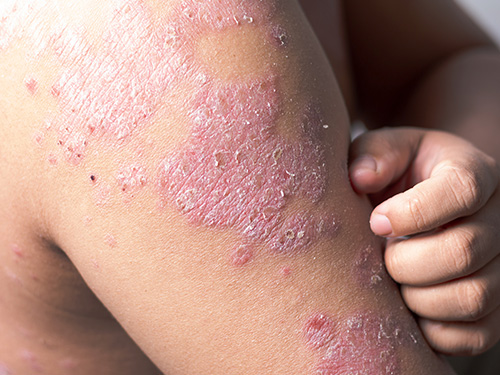
Eczema and dermatitis are umbrella terms encompassing a spectrum of inflammatory skin conditions characterized by dry, red, itchy, and irritated skin. Consequently, whether you experience sudden, acute flare-ups or deal with long-standing chronic irritation, living with eczema can significantly impact daily comfort and overall quality of life. Furthermore, repeated scratching often compromises the skin’s outer barrier, exposing underlying tissues to secondary bacterial infections, hyperpigmentation, and painful thickening of the skin (lichenification).
At Grazia Skin Clinic, eczema and dermatitis care is approached with clinical precision, advanced dermatological science, and personalized patient care. By identifying your specific subtype—whether Atopic Dermatitis, Contact Dermatitis, Seborrheic Dermatitis, or Nummular Eczema—our specialists create customized treatment plans that calm active inflammation, repair the compromised skin barrier, and prevent future flare-ups.
The Immunology & Pathology of Eczema
To manage eczema effectively, one must understand its underlying mechanisms:
- Epidermal Barrier Dysfunction: The stratum corneum acts as a protective shield. In eczema patients, deficiency in key structural proteins (such as filaggrin) or essential lipids leads to excessive transepidermal water loss (TEWL) and allows environmental allergens to penetrate easily.
- Immune Dysregulation: The immune system overreacts to mild external or internal triggers, releasing inflammatory cytokines that cause redness, swelling, and persistent itching.
- The Itch-Scratch Cycle: Itching prompts scratching, which further disrupts the epidermal barrier. As a result, this vicious cycle invites bacteria (such as Staphylococcus aureus) to colonize, leading to secondary skin infections.
To explore deeper clinical research regarding the genetic and immunological drivers of atopic dermatitis, consult the National Center for Biotechnology Information (NCBI).
Common Types of Dermatitis Treated at Grazia Skin Clinic
Because different forms of dermatitis stem from distinct triggers, accurate diagnosis is critical for effective management.
1. Atopic Dermatitis
- Characteristics: Chronic, relapsing inflammatory condition often tied to genetic factors, allergies, or asthma. It commonly affects flexural areas like the inner elbows, back of the knees, and face.
2. Contact Dermatitis (Allergic & Irritant)
- Characteristics: Triggered when the skin touches irritating substances (harsh soaps, chemicals, detergents) or allergens (nickel, fragrances, specific cosmetic ingredients).
3. Seborrheic Dermatitis
- Characteristics: Affects oil-rich areas like the scalp, eyebrows, sides of the nose, and chest. It presents as greasy, yellowish scales accompanied by stubborn redness, often linked to an overgrowth of Malassezia yeast.
4. Nummular (Discoid) Eczema
- Characteristics: Features distinct coin-shaped, itchy lesions that often flare up on extremely dry skin during winter months or following minor localized skin injuries.
For authoritative guidelines on recognizing and classifying various dermatitis conditions, refer to resources from the American Academy of Dermatology (AAD).
Treatment Overview: Clinical Eczema Protocols at Grazia Skin Clinic
At Grazia Skin Clinic, our team tailors every eczema protocol to calm acute distress and restore long-term skin resilience.
1. Diagnostic Assessment & Trigger Identification
- Clinical Evaluation: First, our dermatologists conduct a detailed review of your medical history, allergy patterns, daily skincare routine, and lifestyle triggers.
- Patch Testing: When contact allergies are suspected, specialized dermatological patch testing helps isolate specific chemical or fragrance sensitivities.
2. Specialized In-Clinic Procedures & Medical Therapies
- Barrier-Repair Medical Wraps: Application of specialized, high-potency emollients combined with wet-wrap techniques to restore deep epidermal hydration and rapidly calm burning sensations.
- Topical Anti-Inflammatory Therapies: Prescription-strength topical corticosteroids, calcineurin inhibitors, or non-steroidal anti-inflammatory agents targeted precisely to affected areas without causing unnecessary skin thinning.
- Targeted Antimicrobial Care: When secondary bacterial or fungal overgrowth is present, our dermatologists prescribe targeted topical or oral antimicrobial agents to clear the infection base.
- Phototherapy (Narrowband UVB): Controlled exposure to specific wavelengths of ultraviolet light helps modulate local immune responses in widespread or resistant eczema cases.
For safety standards regarding light therapy equipment and prescription dermatological medications, review information from the U.S. Food and Drug Administration (FDA).
Essential Aftercare & Daily Management Protocols
Managing eczema successfully requires consistent, supportive home care alongside clinical treatments.
Daily Home Care Guidelines
- Moisturize Frequently: Apply rich, fragrance-free ceramides or ointment-based moisturizers within three minutes of bathing to lock in moisture.
- Use Mild Cleansers: Switch to non-soap, pH-balanced, hypoallergenic cleansers that clean without stripping natural lipids.
- Take Lukewarm Showers: Avoid hot water, which strips natural moisture and intensifies itching. Keep baths or showers under 10 minutes.
- Choose Soft Fabrics: Wear loose-fitting, breathable cotton clothing and avoid scratchy wool or synthetic materials that provoke physical irritation.
Emergency Care During a Flare-Up
| Action Phase | Immediate Care Step | Recommended Practice |
|---|---|---|
| Immediate (Onset) | Cool Compress Application | Apply a clean, damp, cool towel to the itchy area for 10–15 minutes to reduce swelling |
| Daily Maintenance | Gentle Emollient Application | Layer rich barrier cream over damp skin to prevent cracking |
| Long-Term Prevention | Trigger Avoidance | Keep a skin diary to track flares related to food, stress, weather, or detergent changes |
For evidence-based guidance on sun protection and barrier restoration for sensitive or inflamed skin, consult the Skin Cancer Foundation.
Why Choose Grazia Skin Clinic?
- Experienced Clinical Team: Care plans are developed, managed, and monitored by qualified dermatologists skilled in handling complex inflammatory conditions.
- Accurate Differential Diagnosis: We avoid generic treatments by correctly identifying the exact cause and subtype of your skin inflammation.
- Holistic & Patient-Centric Focus: Our approach combines medical interventions with practical lifestyle guidance, diet adjustments, and customized home care routines.
- Safe & Hygienic Setting: All procedures strictly adhere to medical hygiene standards to ensure complete safety and comfort.
Conclusion: Reclaim Calm, Healthy Skin
Ultimately, while eczema and dermatitis can be challenging, a structured, expert approach provides reliable relief and restores healthy skin function. By combining precise medical diagnosis with barrier-repair therapies and personalized aftercare, Grazia Skin Clinic helps you enjoy calm, comfortable, and resilient skin.
Book your personalized Eczema & Dermatitis consultation at Grazia Skin Clinic today!