Introduction: Understanding DHT and Hormonal Hair Loss
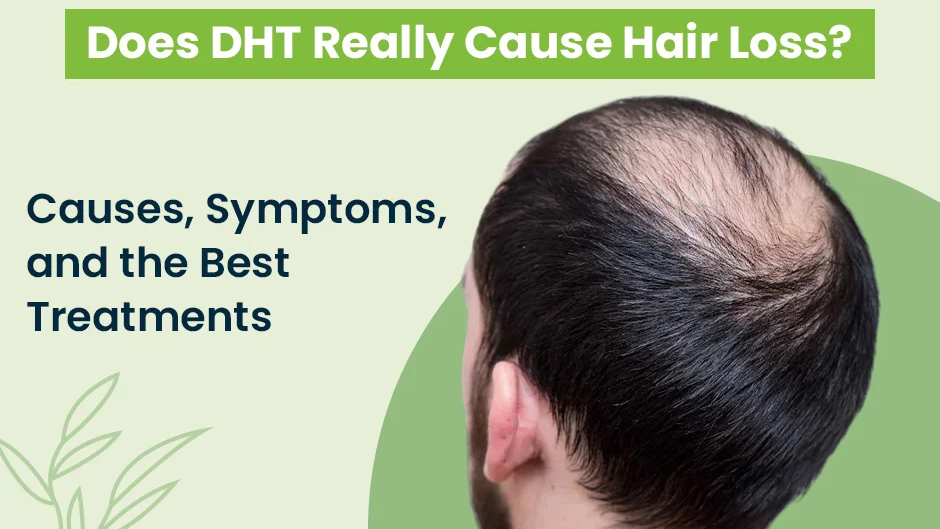
Hair loss triggered by Dihydrotestosterone (DHT) activity—commonly known as androgenetic alopecia or pattern hair loss—is one of the most prevalent causes of thinning hair in both men and women. DHT is a potent androgen derived from testosterone via the enzymatic action of 5-alpha reductase.
When hair follicles are genetically sensitive to DHT, the hormone binds to androgen receptors in the scalp. This interaction initiates a biological process known as follicular miniaturization, where hair follicles progressively shrink, producing finer, shorter, and brittle strands until the follicle eventually stops producing hair altogether.
The Biology of DHT & Follicular Shrinkage
The mechanism of DHT-induced miniaturization unfolds across key biological stages:
- Enzymatic Conversion: Testosterone is converted into DHT by 5-alpha reductase enzyme subtypes located around hair follicles and sebaceous glands.
- Androgen Receptor Binding: DHT binds to receptors at the dermal papilla, disrupting cellular signals that feed the hair shaft.
- Shortened Anagen (Growth) Phase: The active growth cycle narrows from years to months, while the telogen (resting/shedding) phase lengthens.
- Loss of Vascular Supply: Micro-vascularization around the dermal papilla shrinks, depriving the follicle of vital oxygen and nutrients.
Why Specialized Medical Intervention is Necessary
Over-the-counter anti-hair fall shampoos, oils, and home remedies only address topical surface issues or transient breakage. They cannot inhibit 5-alpha reductase, suppress DHT binding, or reverse miniaturization deep within the scalp tissue. Clinical intervention at Grazia Skin Clinic targets the cellular and hormonal root causes using evidence-based medical therapies. https://graziaskinhairlaserclinic.com/
Advanced Treatments for DHT Imbalance at Grazia Skin Clinic
Grazia Skin Clinic provides a comprehensive range of dermatologist-led, FDA-approved modalities designed to block DHT, revive miniaturized follicles, and reactivate hair growth.
1. Topical & Oral DHT Inhibitors
- Medical 5-Alpha Reductase Blockers: Dermatologist-prescribed oral or topical finasteride and dutasteride protocols to decrease systemic or local DHT conversion without affecting natural hormone balance unnecessarily.
- Topical Vasodilators (Minoxidil Solutions): Customized minoxidil combinations that enhance micro-circulation around dermal papillae, widening shortened follicles and prolonging the growth phase.
2. Platelet-Rich Plasma (PRP) & Growth Factor Therapy (GFC)
- Autologous Growth Factor Concentrate (GFC): High-concentration growth factors derived directly from your blood are micro-injected into the scalp tissue. These signaling proteins reactivate dormant follicles, reduce local inflammation, and counteract DHT-induced atrophy.
3. Mesotherapy & Peptidic Scalp Infusions
- Micro-injections containing biotin, amino acids, zinc, vitamins, and bio-mimetic peptides designed to block 5-alpha reductase locally while nourishing weak roots.
4. Low-Level Laser Therapy (LLLT) & Photobiomodulation
- Medical-grade red light therapy (650 nm) stimulates mitochondrial energy (ATP production) within hair follicle cells, reversing miniaturization and encouraging thicker hair growth.
Monsoon-Specific DHT Challenges: Managing Increased Humidity & Scalp Stress
During the monsoon season, elevated atmospheric humidity, excessive sweating, and rainwater pollution compound the negative impacts of DHT imbalance.
How Monsoon Accelerates DHT-Related Shedding
| Scalp Challenge | Biological Impact | Resulting Hair Issue |
| Excess Sebum & DHT Accumulation | Humidity triggers sebaceous glands; sebum contains high concentrations of DHT | Increased follicle miniaturization & clogging |
| Scalp Malassezia Overgrowth | Moisture creates an environment for fungal proliferation (dandruff/seborrheic dermatitis) | Scalp inflammation that weakens root retention |
| High Humidity & Hydrogen Bonding | Hair shafts absorb excess atmospheric moisture, weakening hydrogen bonds | Structural limpness, breakage, and telogen effluvium |
Targeted Monsoon Hair Protocols at Grazia Skin Clinic
- Scalp Detox & Clarifying Therapies: Anti-fungal and salicylic acid scalp peels to dissolve excess sebum, clear scalp build-up, and eliminate localized DHT buildup around pore openings.
- Anti-Inflammatory Scalp Serums: Formulations rich in copper peptides and zinc to soothe inflamed hair roots caused by environmental dampness.
- Low-Moisture Hydration Regimens: Replacing heavy oils with lightweight peptidic fluids to prevent fungal growth while maintaining hair shaft health.
Essential Scalp Aftercare & Maintenance Protocols
Preserving treatment progress and managing DHT activity requires consistent post-procedure habits.
Immediate Scalp Care After In-Clinic Procedures (PRP / GFC / Mesotherapy)
- Avoid Water Contact: Keep the scalp dry and unwashed for at least 24 hours post-treatment.
- Gentle Washing: Use a prescribed sulfate-free, anti-DHT, or pH-balanced shampoo when cleared by your dermatologist.
- Avoid Sweat & Rain: Refrain from heavy workouts, saunas, and rain exposure for 48 hours to prevent infection and irritation.
- Pause Mechanical Friction: Avoid harsh combing, tight hairstyles, or aggressive head massages.
Long-Term Lifestyle & Scalp Hygiene
- Nutritional Support: Maintain a diet rich in zinc, iron, saw palmetto, and omega-3 fatty acids to support follicle health.
- Stress Management: High cortisol levels increase androgen production, accelerating DHT synthesis. Incorporate stress-reduction techniques into your routine.
- Regular Monitoring: Schedule periodic trichoscopy assessments at Grazia Skin Clinic to track follicular density and adjust treatment strengths.
Why Choose Grazia Skin Clinic?
- Trichology & Dermatology Specialists: Comprehensive scalp evaluations guided by experienced medical professionals.
- Trichoscopy & Hair Density Diagnostics: Magnified imaging to evaluate miniaturization levels and monitor treatment progress accurately.
- Evidence-Based Medical Therapies: Treatments rely on clinical protocols proven to arrest miniaturization and restore density safely.
- Sterile & Advanced Infrastructure: Medical-grade equipment and strict hygiene protocols ensure maximum clinical efficacy.
Conclusion: Restore Your Hair Density Today
Managing DHT-induced hair thinning requires addressing the underlying biological mechanisms. By combining localized 5-alpha reductase inhibition, cell-stimulating therapies, and customized scalp care for seasonal stressors like the monsoon, Grazia Skin Clinic helps you halt hair loss and restore fuller, healthier hair.
Book your personalized hair and scalp evaluation at Grazia Skin Clinic today to start your hair restoration journey.
https://www.ncbi.nlm.nih.gov/books/NBK430924
https://www.aad.org/public/diseases/hair-loss/treatment/diagnosis-treat