The Biochemistry of Cuticle Integrity and Scalp Microenvironment
Hair coloring is a complex biochemical process that alters the hair’s natural structure. To understand this process from a medical standpoint, one must look at the anatomy of the hair strand. Each strand consists of an outer protective layer called the Cuticle, an inner structural core known as the Cortex, and a central core called the Medulla. The cortex houses Melanin, the natural pigment that determines your hair color.
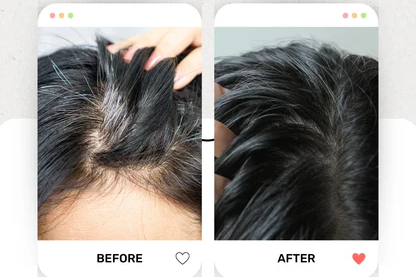
At Grazia Skin Clinics, we approach Dermal Hair Coloring Treatment through a careful dermatological lens. Standard commercial hair dyes rely on strong alkaline agents, such as ammonia, to force open the tightly packed cuticle scales. By doing so, the chemicals penetrate deep into the cortex to break down existing melanin and deposit new color molecules.
While this process achieves vibrant shades, it can compromise the hair’s structural integrity and disrupt the delicate pH balance of the scalp. Consequently, our clinical focus centers on balancing cosmetic transformation with advanced hair barrier protection. Specifically, we ensure that the hair fiber remains resilient and the scalp ecosystem stays healthy and free from irritation.
Benefits: The Clinical Advantage of Dermal-Safe Hair Coloring
Choosing a medically guided approach to hair coloring yields extensive structural benefits for both the hair shaft and the underlying scalp epidermis.
- Preservation of the Hydro-Lipid Scalp Shield: Traditional coloring strip away the protective sebum layer of the scalp. In contrast, dermal-grade coloring utilizes protective lipid barriers that keep chemical irritants from inducing contact dermatitis.
- Minimized Disulfide Bond Disruption: By incorporating advanced amino acid complexes directly into the dye matrix, the structural internal bonds of the hair are shielded from snapping during the pigment oxidative phase.
- Long-Lasting Pigment Retention: Because the cuticle is treated with high-precision care and closed mechanically post-color, the pigment molecules are locked tightly inside the cortex. As a result, this prevents early fading and washed-out tones.
- Hypoallergenic Safety Profiles: Utilizing formulations free from aggressive sensitizers like Paraphenylene-diamine (PPD) dramatically lowers the risk of developing burning sensations, severe itching, or late-onset scalp allergies.
Types of Dermal Hair Coloring Systems
To maximize safety and cater to different scalp sensitivities, we categorize hair coloring methods based on their chemical composition and how deeply they penetrate the hair shaft.
| Treatment Category | Chemical Matrix Composition | Penetration Depth | Longevity Profile | Primary Clinical Case |
| Ammonia-Free Botanical Oleo-Gels | Replaces ammonia with monoethanolamine (MEA) blended with organic oils. | Full cortex infusion without aggressive opening. | Permanent (Root touch-up required). | Patients with dry, compromised hair fibers or mild scalp sensitivity. |
| Pure Acidic Demi-Permanent Gloss | Formulated at an acidic pH level ($6.5 – 6.8$) without lifting agents. | Outer cortex layer and cuticle wrapping. | 20 to 28 washes (Progressive fading). | Tone correction, gray blending, and boosting light-reflective shine. |
| Hypoallergenic PPD-Free Pigments | Swaps out traditional PPD for safer PTDS (Toluene-2,5-diamine sulfate). | Deep structural cortex saturation. | Permanent. | Individuals with confirmed contact allergies or reactive skin. |
| Phyto-Infused Temporary Rinses | Large, pre-formed plant-derived molecules. | Adheres strictly to the outer cuticle rim. | 1 to 2 washes. | Express color testing or severe eczema cases. |
Treatment: The Multi-Step Hair and Scalp Protection Protocol
At Grazia Skin Clinics, we treat hair coloring as a three-phased medical and structural protocol to maintain the health of your hair fiber.
1. Pre-Color Scalp and Fiber Shielding
Before any pigment is applied, we evaluate the scalp barrier. To protect it effectively, we apply a lipid-rich, calming serum containing natural oils directly to the scalp. This creates an invisible shield that blocks chemical irritants from touching the epidermis while allowing the hair roots to be colored normally. Furthermore, we treat the hair lengths with a hydrolyzed keratin spray to fill in pre-existing gaps in the cuticle.
2. Bond-Multiplying Chemistry
During the coloring process, chemical developers break the internal disulfide bonds that give the hair its strength. To counteract this structural damage, we mix advanced bond-building complexes directly into the color formula. By doing so, we reconnect the broken bonds in real-time as the color processes, preventing structural thinning and snapping.
3. Post-Color pH Normalization
Freshly colored hair leaves the cuticle open and highly alkaline. Therefore, immediately after rinsing the color, we apply a specialized acidic neutralizing treatment to bring the hair and scalp back to their optimal pH of $4.5$ to $5.5$. Consequently, this step seals the cuticle flat, locking the color molecules inside and restoring a smooth, light-reflective shine.
Aftercare: Preserving Color Integrity and Scalp Health
The longevity of your hair color and the health of your scalp depend heavily on your home-care habits. Proper aftercare ensures the cuticle remains sealed and protected.
- The 72-Hour Washing Rule: Do not shampoo your hair for at least three days after a color service. This is vital because it takes up to 72 hours for the hair cuticle to completely close and trap the new pigments securely.
- Switch to Sulfate-Free, Acidic Cleansers: Standard shampoos contain harsh surfactants that strip the hair’s natural oils and wash away color molecules. Instead, use professional, sulfate-free formulas that maintain a low pH to keep the cuticle closed.
- Thermal Protection Mandatory: Heat from styling tools melts away protective lipids and opens the hair cuticle; consequently, color fades rapidly and dryness sets in. Always apply a silicone-free thermal protectant before using any heat.
- Deep Lipophilic Conditioning: Weekly intensive conditioning treatments rich in amino acids and natural oils are essential. Specifically, they replenish the lost moisture matrix within the cortex, keeping the hair elastic and vibrant.
Conclusion: Reclaiming Vibrant, Healthy Hair
Dermal hair coloring does not have to mean sacrificing the health of your scalp and strands. By understanding the underlying biochemistry of the hair shaft, you can achieve stunning cosmetic results without structural damage. At Grazia Skin Clinic https://graziaskinhairlaserclinic.com/, our approach combines premium, low-toxicity color selections with rigorous bond-repairing science and scalp protection protocols. Through expert, dermatologist-guided care and a dedicated lifestyle regimen, you can enjoy rich, radiant color while maintaining thick, smooth, and resilient hair.