Introduction: The Anatomy of Dermal Openings
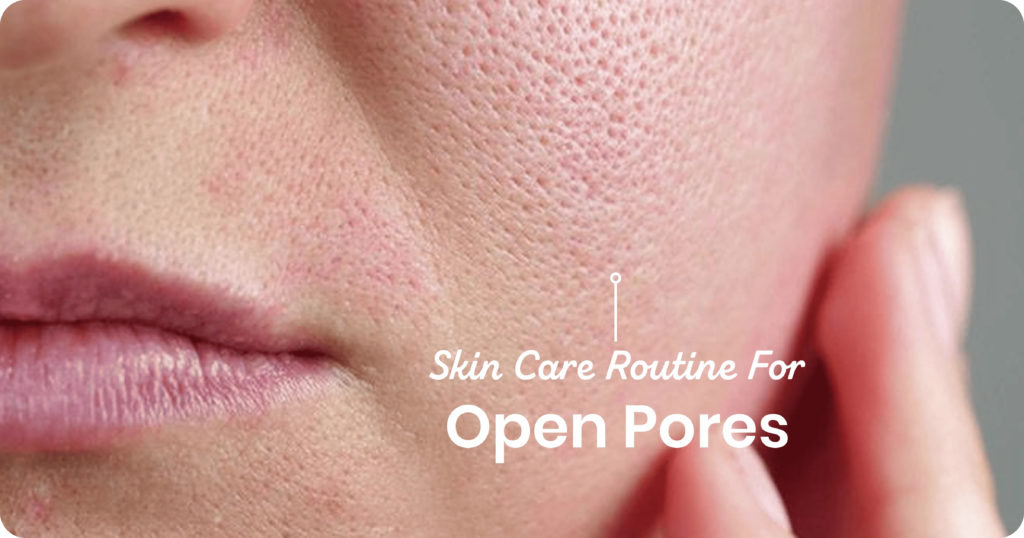
The appearance of enlarged or “open” pores is one of the most common cosmetic concerns driving patients to seek professional dermatological intervention. To understand open pores, one must first dismantle the common myth that pores can “open and close” like windows. Mechanically, pores lack a muscular structure. Functionally, what patients refer to as “open pores” are visually enlarged openings of the pilosebaceous units—the micro-structures comprising a hair follicle and its attached sebaceous (oil) gland.
At Grazia Skin Clinic, we approach the management of enlarged pores as a structural challenge. Pores are necessary conduits that allow sebum to surface and lubricate the skin protective barrier. However, when their diameter expands visibly, it points to a disruption in the surrounding dermal matrix. The visibility of a pore is determined by three interacting factors: high sebum production, loss of elasticity around the pore wall, and hair follicle volume.
Understanding the underlying structural cause is paramount. If we treat a pore stretched by excess oil the same way we treat a pore stretched by aging and sagging skin, the clinical outcome will be minimal. Therefore, successful treatment relies on a precise structural diagnosis.
Symptoms: Differentiating Pore Expansion and Surface Texture
While enlarged pores are themselves a cosmetic sign rather than a disease symptom, they present with distinct clinical characteristics that indicate the structural health of the dermis.
- Pitted Skin Texture: The skin surface takes on an uneven, “orange-peel” texture (peau d’orange), specifically across the T-zone (forehead, nose, and chin) and inner cheeks.
- Comedone Co-existence: Pores frequently present with trapped sebum and keratin debris. Specifically, when exposed to air, this debris oxidizes, turning into blackheads (open comedones) that physically stretch the pore circumference.
- Dermal Sagging (Elastosis): As skin ages, pores change shape. Instead of remaining circular, they elongate into oval or teardrop shapes. This happens because the surrounding collagen matrix degrades, causing the pore walls to collapse outward.
- Increased Seborrhea: Enlarged pores are almost always accompanied by a shiny, oily complexion. Furthermore, this excess sebum acts as a liquid lens, catching the light and making the pore openings appear significantly deeper and larger than they actually are.
Types of Enlarged Pores: Structural Classifications
At Grazia Skin Clinics, we classify open pores into three distinct categories based on their primary triggering mechanism. This ensures targeted therapy rather than a generalized approach.
| Type | Primary Cause | Visual Appearance | Primary Clinical Focus |
| O-Shaped (Sebum-Driven) | Excess oil production | Round, circular openings concentrated heavily on the T-zone. | Controlling sebaceous gland output. |
| U-Shaped (Dehydration-Driven) | Impaired skin barrier | Flaky, dry edges around a visible opening, common on the cheeks. | Hydration and barrier repair. |
| Y-Shaped (Aging-Driven) | Loss of collagen and elastin | Elongated, teardrop-shaped pores that appear to droop downwards. | Collagen synthesis and dermal tightening. |
Treatment: The Clinical Remodeling Protocol
To treat open pores permanently, a multi-phased approach must be employed. We must suppress oil production, clear physical blockages, and tighten the surrounding dermal envelope.
1. Topical Sebum and Keratin Regulators
The first line of defense focuses on home-care management to keep the pore empty and functioning normally.
- Retinoids (Retinol / Tretinoin): Retinoids accelerate cellular turnover. By doing so, they prevent dead skin cells from building up inside the follicle. Moreover, they stimulate deep collagen production, tightening the pore wall from within.
- Salicylic Acid (BHA): Because Salicylic Acid is lipophilic (oil-soluble), it penetrates deep inside the oil-rich environment of the pore. Consequently, it dissolves the sticky sebum plugs that stretch the pore walls.
2. Energy-Based Dermal Remodeling (In-Clinic Procedures)
When topical creams reach their limitation, advanced clinical technologies are deployed at Grazia Skin Clinics to alter the skin structure.
- Fractional CO2 Laser Resurfacing: This technology creates thousands of microscopic microscopic treatment zones in the skin. As a result, the body triggers a massive wound-healing response, creating a flood of fresh, tight collagen that squeezes the pore openings shut.
- Microneedling Radiofrequency (MNRF): MNRF delivers precise radiofrequency heat deep into the dermis via insulated microneeds. Therefore, it directly shrinks the overactive sebaceous glands while contracting the dermal matrix, reducing both oil production and pore diameter simultaneously.
3. Advanced Medi-Facials
- Carbon Laser Toning (The Hollywood Peel): A layer of liquid carbon is applied to the face, which seeps deep into the pores. A Q-Switched Nd:YAG laser is then passed over the area. The laser vaporizes the carbon particles instantly, blasting away oil, debris, and dead skin from inside the pore while generating heat to boost collagen.
Aftercare: Preserving Smooth Structural Integrity
Advanced clinical procedures initiate the pore-tightening process, but strict daily aftercare preserves the smooth texture and prevents the pores from stretching out again.
- Non-Comedogenic Sun Protection: UV radiation destroys collagen and elastin fibers, which are the scaffolding holding your pores tight. Therefore, applying a lightweight, gel-based SPF 50+ is mandatory. Crucially, ensure the formula is labeled “non-comedogenic” so it does not block the newly cleared openings.
- The Double-Cleansing Routine: If you wear makeup or heavy sunscreen, a single wash will leave residue behind. Consequently, you must use a gentle oil-based cleanser first to break down surface grime, followed by a salicylic acid cleanser to purge the pores.
- Astringent Avoidance: Many patients use harsh, alcohol-based toners to “shrink” pores. However, this strips the skin barrier and causes reactive seborrhea—where the skin panics and produces more oil to compensate, stretching the pores further. Instead, use niacinamide serums to naturally regulate oil.
- Never Pick or Squeeze: Forcefully squeezing blackheads stretches the physical tissue elasticity of the pore opening. In doing so, you risk creating permanent, ice-pick scars that look significantly larger than the original pore.
Conclusion: Re-architecting the Canvas of Your Skin
Visibly open pores are a structural reaction to internal genetics, oil dynamics, and external environmental aging. While you can never completely erase pores—as they are vital for your skin’s survival—modern dermatological science allows us to dramatically minimize their visibility. At Grazia Skin Clinics, we combine advanced diagnostic analysis with high-precision energy devices to shrink sebaceous activity and rebuild lost collagen fibers. Through disciplined in-clinic treatments and a scientifically sound aftercare regimen, you can smooth out the “orange-peel” texture and achieve a refined, youthful, and luminous skin canvas.
REFERENCE:-
https://www.aad.org/public/everyday-care/skin-care-secrets/face/treat-large-pores
https://www.parashospitals.com/blogs/open-pores-causes-treatment-home-remedies