Mole Removal at Grazia Skin Hair & Laer Clinic
Introduction
Moles, medically referred to as nevi, are common skin growths that appear due to clusters of pigment-producing cells called melanocytes. These growths can vary in size, shape, and color, ranging from light brown to black, and may be flat or raised. Most individuals develop between 10 to 40 moles over their lifetime, and in most cases, these are completely harmless.
However, certain moles may pose cosmetic concerns or potential health risks, particularly if they show changes in size, color, or texture. Mole removal has therefore become an essential dermatological procedure—not only for aesthetic enhancement but also for medical evaluation and prevention of serious skin conditions like melanoma.
At Grazia Skin Hair & Laser Clinic, mole removal is performed using advanced dermatological techniques, ensuring safety, precision, and minimal scarring. This study explores the causes of mole formation, their effects, treatment modalities, precautions, and post-procedure care in detail.
1. Understanding Moles: Structure and Types
Moles develop when melanocytes grow in clusters rather than being evenly distributed across the skin. These clusters produce melanin, the pigment responsible for skin color.
Types of Moles
1.1 Congenital Moles
Present at birth, these moles may vary in size and sometimes carry a slightly higher risk of developing into skin cancer.
1.2 Acquired Moles
Develop over time, often due to sun exposure or hormonal changes.
1.3 Atypical (Dysplastic) Moles
Irregular in shape, uneven in color, and larger than normal moles—these may require medical attention.
1.4 Raised vs Flat Moles
- Flat moles remain on the skin surface
- Raised moles protrude and may contain hair
2. Causes of Mole Formation
Understanding the causes of mole formation is essential in determining whether removal is necessary.
2.1 Genetic Factors
Genetics play a major role in determining how many moles a person develops. Individuals with a family history of multiple moles are more likely to develop them.
2.2 Sun Exposure (UV Radiation)
Ultraviolet (UV) rays stimulate melanocyte activity, leading to increased pigmentation and mole formation. Prolonged exposure can also cause moles to change or become atypical.
2.3 Hormonal Changes
Hormonal fluctuations during puberty, pregnancy, or hormonal therapy can lead to the development or darkening of moles.
2.4 Age
Moles commonly appear during childhood and adolescence and may evolve or fade over time.
2.5 Skin Type
People with fair skin are more prone to developing moles compared to those with darker skin tones.
3. Effects of Moles on Skin and Health
3.1 Cosmetic Impact
Many individuals seek mole removal due to aesthetic concerns, especially when moles appear on visible areas such as the face, neck, or hands.
3.2 Physical Discomfort
Moles located in friction-prone areas (like under clothing or shaving zones) may cause irritation, itching, or bleeding.
3.3 Psychological Impact
Visible moles can affect self-confidence and body image, especially in social or professional settings.
3.4 Medical Risks
While most moles are benign, some may develop into melanoma, a serious form of skin cancer. Warning signs include:
- Rapid growth
- Irregular borders
- Uneven color
- Bleeding or itching
4. Indications for Mole Removal
Mole removal is recommended under the following circumstances:
4.1 Suspicious Moles
If a mole shows signs of malignancy, it must be removed and tested (biopsy).
4.2 Cosmetic Reasons
Patients often opt for removal to improve facial aesthetics and skin appearance.
4.3 Recurrent Irritation
Moles that frequently get irritated due to shaving, clothing, or accessories.
4.4 Patient Preference
Even benign moles can be removed based on personal choice.
5. Advanced Mole Removal Treatments at Grazia Clinic
At Grazia Clinic, mole removal is performed using medically approved and safe dermatological procedures.
5.1 Surgical Excision
This method involves cutting out the mole along with a margin of surrounding skin.
Procedure
- Local anesthesia is applied
- Mole is removed using a scalpel
- Area is stitched if required
Benefits
- Complete removal
- Suitable for deeper or suspicious moles
- Allows biopsy testing
Limitations
- May leave a small scar
5.2 Shave Excision
A minimally invasive technique where the mole is shaved off from the skin surface.
Procedure
- Local anesthesia applied
- Mole shaved using a surgical blade
Benefits
- Quick procedure
- Minimal downtime
Limitations
- Slight chance of recurrence
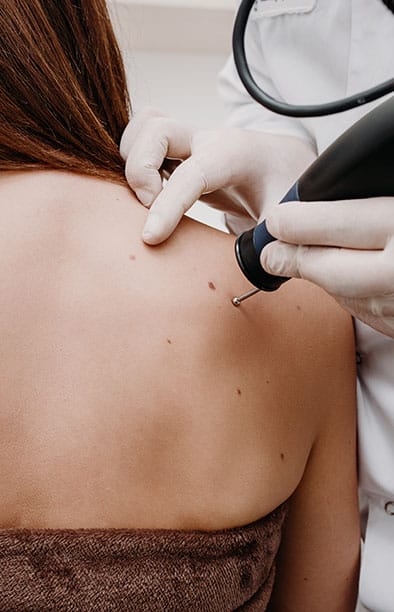
5.3 Laser Mole Removal
Laser energy is used to break down pigment in the mole.
Benefits
- Non-invasive
- Minimal scarring
- Ideal for small, superficial moles
Limitations
- Not suitable for deep or suspicious moles
5.4 Electrocautery (RF Removal)
Uses heat energy to burn and remove the mole.
Benefits
- Precise removal
- Minimal bleeding
6. Procedure Process at Grazia Clinic
6.1 Consultation
- Skin evaluation using dermoscopy
- Assessment of mole type and depth
6.2 Diagnosis
Suspicious moles may be recommended for biopsy.
6.3 Procedure
- Area is cleaned and numbed
- Mole is removed using the chosen technique
6.4 Duration
The procedure typically takes 20–40 minutes.
7. Risks and Side Effects
Although mole removal is generally safe, some risks may include:
- Mild pain or discomfort
- Temporary redness or swelling
- Scarring
- Infection (rare)
- Mole recurrence
8. Precautions Before Mole Removal
8.1 Avoid Self-Removal
Home remedies or cutting moles yourself can lead to infection and scarring and may miss cancer diagnosis.
8.2 Medical Consultation
Always consult a qualified dermatologist before removal.
8.3 Inform Medical History
Disclose allergies, medications, or skin conditions.
8.4 Avoid Sun Exposure
Limit sun exposure before the procedure to reduce complications.
9. Aftercare Guidelines
Proper aftercare is crucial for healing and minimizing scars.
9.1 Immediate Care
- Keep the area clean and covered
- Apply prescribed ointment
- Use petroleum jelly to maintain moisture
9.2 Daily Care
- Clean gently with mild soap
- Change dressing regularly
- Avoid touching or scratching
9.3 Healing Time
- Typically 2–3 weeks for full healing
9.4 Sun Protection
- Apply sunscreen regularly
- Avoid direct sunlight to prevent pigmentation
9.5 Activity Restrictions
- Avoid strenuous activities initially
- Prevent friction on the treated area
10. Long-Term Results and Benefits
10.1 Improved Skin Appearance
Removal enhances skin clarity and aesthetics.
10.2 Boosted Confidence
Patients often feel more confident post-treatment.
10.3 Early Detection of Skin Cancer
Biopsy ensures timely diagnosis and treatment.
10.4 Permanent Removal
Most moles are permanently removed, although some may recur.
11. When to Consult a Doctor Post-Procedure
Seek medical attention if you experience:
- Excessive bleeding
- Signs of infection (pus, redness)
- Severe pain
- Mole regrowth
12. Why Choose Grazia Skin Hair & Laser Clinic
- Advanced dermatological technology
- Experienced professionals
- Safe and hygienic procedures
- Customized treatment plans
- Excellent aesthetic outcomes
Conclusion
Mole removal is a safe, effective, and widely performed dermatological procedure that serves both cosmetic and medical purposes. While most moles are harmless, monitoring changes and seeking professional advice is crucial for maintaining skin health.
At Grazia Skin Hair & Laser Clinic, patients receive expert care, advanced treatments, and personalized attention, ensuring optimal results with minimal risks. Whether for aesthetic enhancement or medical necessity, mole removal can significantly improve both skin hea
lth and overall confidence.