
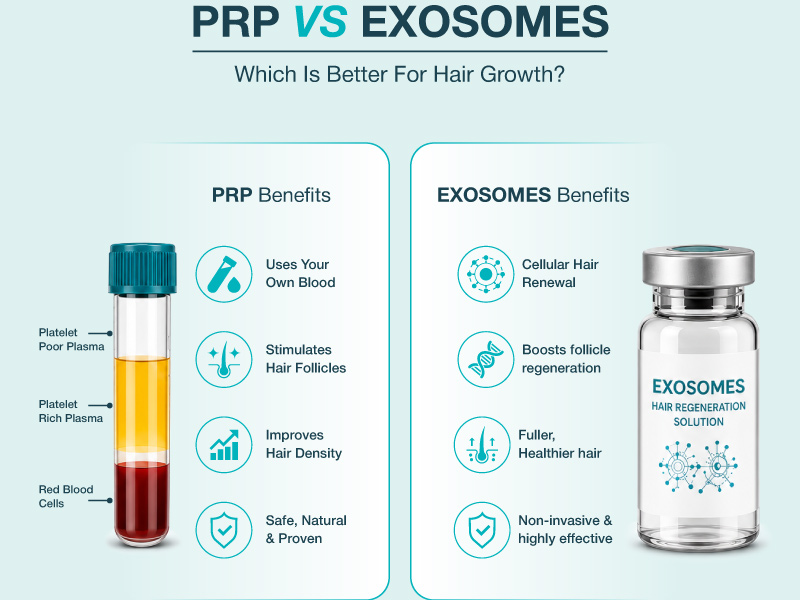
Introduction: The New Frontier of Regenerative Aesthetics
Modern aesthetic dermatology is undergoing a monumental paradigm shift. For decades, the primary objective of cosmetic interventions was corrective or camouflage-based: paralyzing hyperactive facial muscles with neuromodulators, filling static volume loss with cross-linked hyaluronic acid gel, or physically burning away damaged epidermal layers using aggressive ablative lasers. While these classical modalities remain highly valuable within comprehensive treatment protocols, they share a fundamental biological limitation: they do not inherently reverse cellular senescence, nor do they teach aging tissues how to permanently repair themselves.
Enter Regenerative Aesthetics, a discipline born at the intersection of molecular biology, tissue engineering, and clinical dermatology. Instead of masking structural deficits, regenerative aesthetics seeks to reprogram the microenvironment of the skin. It activates endogenous cellular machinery, stimulates autologous collagenesis and elastogenesis, restores damaged extracellular matrix (ECM) architectures, and resets cellular aging parameters.
At the vanguard of this biological revolution stand two titan modalities: Platelet-Rich Plasma (PRP) and Exosome Therapy. Both treatments represent biological therapies that leverage molecular signaling to force cellular repair, yet they operate through entirely distinct physiological pathways, origin sources, signaling complexities, and therapeutic profiles.
At Grazia Skin Clinic, our master practitioners believe that patient empowerment begins with scientific clarity. Navigating the choices between autologous blood-derived growth factors and bioengineered stem cell-derived extracellular vesicles can feel daunting. Patients frequently ask:
- Which treatment yields faster results?
- Is a blood draw required for exosomes?
- How do these therapies target deep acne scars versus fine lines or hyperpigmentation?
- Can PRP and Exosomes be combined for amplified skin transformation?
This comprehensive, definitive guide provides an exhaustive analysis of PRP vs. Exosomes for skin rejuvenation. We explore their biological mechanisms, clinical applications, side-by-side efficacy profile, safety, treatment experience, aftercare, and long-term skin health strategies—specifically calibrated for patients seeking peerless clinical care at Grazia Skin Clinic.
Part 1: Deconstructing Platelet-Rich Plasma (PRP) Therapy
1.1 What is PRP? Definition, Biology, and Autologous Nature
Platelet-Rich Plasma (PRP), often colloquially dubbed the “Vampire Facial” when combined with microneedling, is an autologous biological therapy. The term autologous signifies that the treatment material is harvested entirely from the patient’s own body. Because PRP utilizes the patient’s intrinsic peripheral blood, it carries an exceptionally high safety profile with virtually zero risk of immunological rejection, foreign-body reaction, or cross-contamination.
Whole human blood consists predominantly of four primary components:
- Erythrocytes (Red Blood Cells): Oxygen-carrying cells that lack nuclei and do not contribute positively to tissue regeneration when applied topically or intradermally. In fact, intact erythrocytes can promote localized oxidative stress and inflammation if re-injected into the dermis.
- Leukocytes (White Blood Cells): Immune cells responsible for pathogen defense. Their presence in PRP is highly nuanced—certain concentrations aid in tissue remodeling, whereas excessive granulocytes can trigger unwanted inflammatory cascades.
- Plasma: The liquid extracellular matrix containing water, immunoglobulins, electrolytes, and circulating proteins.
- Thrombocytes (Platelets): Anucleated cell fragments derived from bone marrow megakaryocytes. While historically celebrated merely for their central role in hemostasis (blood clotting), platelets are now recognized as rich reservoirs of bioactive signaling proteins.
Under physiological conditions, systemic platelet counts average between $150,000$ and $450,000\text{ platelets}/\mu\text{L}$. Therapeutic PRP is defined as a plasma fraction wherein the baseline platelet concentration is elevated significantly above systemic blood levels—typically achieving a 4x to 8x fold concentration ($1,000,000\text{ to }1,500,000+\text{ platelets}/\mu\text{L}$).
1.2 The Cascade of Activation: How PRP Rejuvenates Dermal Tissue
The secret to PRP’s regenerative potency lies within the sub-cellular structure of the platelet itself—specifically, its alpha-granules ($\alpha$-granules). Each individual platelet contains approximately 50 to 80 alpha-granules, which store a dense cocktail of pre-synthesized peptide growth factors, cytokines, and chemokines.
When PRP is prepared and subsequently injected into the dermal matrix or applied across micro-channels created by automated microneedling, the platelets undergo degranulation. This process is triggered when platelets come into contact with extracellular collagen or exogenously added activators (such as calcium chloride or thrombin). Upon activation:
- Within 10 minutes, platelets release over 95% of their pre-stored alpha-granule content into the surrounding intercellular matrix.
- Over the next 7 to 10 days, platelets continue to synthesize and secrete additional growth factors as they survive within the local tissue before undergoing macrophages-mediated clearance.
[ Whole Blood Harvest ] ➔ [ Centrifugation & Phase Separation ] ➔ [ Isolation of PRP Layer ]
                                                                            │
                                                                            ▼
[ Intradermal Injection / Microneedling ] ➔ [ Platelet Activation & Degranulation ]
                                                                            │
                                                                            ▼
[ Fibroblast Activation ➔ Neocollagenesis & Angiogenesis ➔ Dermal Remodeling ]
1.3 Key Growth Factors in PRP and Their Specific Biological Roles
The regenerative cascade triggered by PRP is orchestrated by an array of inter-cellular growth factors. Understanding these molecules clarifies how PRP repairs damaged skin:
- Platelet-Derived Growth Factor (PDGF-$\alpha\alpha$, PDGF-$\beta\beta$, PDGF-$\alpha\beta$):
- Function: Promotes cell replication (mitogenesis), recruits macrophages and mesenchymal stem cells to the injury site, and directly stimulates vascular smooth muscle proliferation and collagen synthesis.
- Transforming Growth Factor-Beta (TGF-$\beta1$, TGF-$\beta2$):
- Function: Acts as the primary driver of extracellular matrix formation. It stimulates dermal fibroblasts to produce Type I and Type III collagen, fibronectin, and glycosaminoglycans (GAGs) while inhibiting matrix metalloproteinases (MMPs) that break down collagen.
- Vascular Endothelial Growth Factor (VEGF):
- Function: Induces angiogenesis (the formation of new micro-capillaries from pre-existing blood vessels). Increased dermal micro-circulation enhances cutaneous oxygenation, nutrient transport, and metabolic waste removal, bestowing a healthy, radiant “glow.”
- Epidermal Growth Factor (EGF):
- Function: Potently stimulates epidermal keratinocyte proliferation and migration, accelerating epithelial re-surfacing, barrier repair, and epidermal thickening.
- Fibroblast Growth Factor-Basic (bFGF / FGF-2):
- Function: Promotes fibroblast growth, extracellular matrix deposition, and tissue granulation, making it indispensable for scar revision and deep structural rejuvenation.
- Insulin-like Growth Factor-1 (IGF-1):
- Function: Mediates systemic cell growth, survival, and tissue repair, working synergistically with PDGF and EGF to optimize cellular lifespan.
1.4 The Clinical Preparation Protocol at Grazia Skin Clinic
Not all PRP is created equal. The efficacy of PRP is dictated entirely by the precise concentration of viable platelets, the exclusion of unwanted red blood cells, and the physiological balance of leukocytes. At Grazia Skin Clinic, we utilize advanced medical-grade centrifuge systems and specialized double-spin closed protocols to ensure maximum purity, stability, and growth factor yield.
- Phlebotomy: A small sample of peripheral venous blood (approximately 15 to 30 mL) is drawn from the patient’s arm using sterile, anticoagulant-treated tubes (typically containing Acid Citrate Dextrose, ACD-A) to prevent premature platelet aggregation.
- First Centrifugation Spin (The Soft Spin): The collection tubes are placed into a high-precision, calibrated centrifuge. The initial spin separates whole blood into three distinct layers based on cellular density:
- Bottom Layer: Dense Erythrocytes (Red Blood Cells).
- Middle Layer (Buffy Coat): A thin, cloudy layer containing concentrated Leukocytes and Platelets.
- Top Layer: Platelet-Poor Plasma (PPP).
- Second Centrifugation Spin (The Hard Spin): The upper PPP layer and buffy coat are carefully drawn off into a secondary sterile tube and subjected to a second spin at a higher relative centrifugal force ($RCF$). This isolates the dense platelet concentrate at the base of the tube from the supernatant platelet-poor plasma.
- Resuspension & Harvesting: The platelet pellet is gently resuspended in a controlled volume of plasma, achieving a therapeutic platelet enrichment factor of 5x to 7x baseline.
- Activation & Application: The final, purified PRP is immediately drawn into sterile syringes for targeted dermal micro-injections or topical delivery following automated fractional microneedling.
Part 2: Unveiling Exosome Therapy
2.1 What Are Exosomes? The Biological Messengers
To understand Exosome Therapy, one must venture deeper into nanoscale cellular biology. For decades, extracellular vesicles were erroneously dismissed by biology textbooks as mere cellular waste disposal bags—cellular “garbage bags” shedding unwanted metabolic debris. However, ground-breaking research in molecular biology over the past fifteen years has completely shattered this misconception.
Exosomes are a specific subclass of Extracellular Vesicles (EVs), measuring between 30 to 150 nanometers in diameter. To put this in perspective, an exosome is roughly $1/1,000\text{th}$ the size of a single human cell and hundreds of times smaller than a red blood cell.
Unlike PRP, which relies on intact cell fragments releasing growth factors upon activation, exosomes are nanoscopic biological envelopes secreted by living cells—most notably Mesenchymal Stem Cells (MSCs) derived from human umbilical cord matrix (Wharton’s Jelly), adipose tissue, or bone marrow. Exosomes act as the central executive communication system between cells, serving as the biological “language” through which cells direct one another to repair, replicate, or modulate immune responses.
       ┌────────────────────────────────────────────────────────┐
       │               Mesenchymal Stem Cell (MSC)              │
       └───────────────────────────┬────────────────────────────┘
                                   │
                    [ Exocytosis of Nanovesicles ]
                                   │
                                   ▼
       ┌────────────────────────────────────────────────────────┐
       │                   EXOSOME VESICLE                      │
       │  • Lipid Bilayer Envelope (protects internal cargo)    │
       │  • Surface Proteins: CD63, CD81, CD9                   │
       │  • Molecular Cargo: microRNA, mRNA, Growth Factors,     │
       │    Cytokines, Lipids, Heat Shock Proteins              │
       └───────────────────────────┬────────────────────────────┘
                                   │
                 [ Micro-channel Penetration to Dermis ]
                                   │
                                   ▼
       ┌────────────────────────────────────────────────────────┐
       │                 Target Dermal Fibroblast               │
       │  • Re-program senescent cells                           │
       │  • Upregulate Collagen Types I & III                   │
       │  • Downregulate Pro-Inflammatory Cytokines            │
       └────────────────────────────────────────────────────────┘
2.2 Molecular Architecture and Bio-cargo of Exosomes
The structural architecture of an exosome is uniquely evolved for superior biological delivery. Each exosome is encased in a protective lipid bilayer membrane identical to human cell membranes, rich in cholesterol, sphingomyelin, and ceramides. This protective lipid envelope prevents premature enzyme degradation of its internal cargo while circulating through tissues.
Embedded within and carried inside this lipid membrane is an astounding biological payload:
- microRNAs (miRNAs) & messenger RNAs (mRNAs): Small non-coding RNA molecules that modulate post-transcriptional gene expression within target recipient cells. Exosomal miRNAs can directly downregulate pro-inflammatory cytokines while upregulating gene pathways responsible for extracellular matrix synthesis and cellular repair.
- Over 300 to 1,000+ Growth Factors & Cytokines: Includes TGF-$\beta3$ (the anti-scarring growth factor), FGF-2, VEGF, PDGF, HGF (Hepatocyte Growth Factor), and KGF (Keratinocyte Growth Factor).
- Peptides & Structural Proteins: Signal peptides that activate cellular repair pathways.
- Tetraspanins (CD63, CD81, CD9): Surface membrane proteins that act as molecular keycards, allowing exosomes to dock specifically onto target cell membranes and fusion-deliver their payload directly into the recipient cell’s cytoplasm.
2.3 The Mechanism of Action: Paracrine Signaling and Gene Expression Modulation
When exosomes are introduced into aging or damaged skin (typically following microneedling, radiofrequency microneedling, or non-ablative fractional laser), they bypass the outer epidermal stratum corneum via micro-channels and immediately interact with resident dermal fibroblasts, endothelial cells, and immune cells.
Exosomes do not simply release growth factors into the extracellular space to sit on surface cell receptors; they enter target cells via receptor-mediated endocytosis or direct membrane fusion. Once inside:
- Gene Reprogramming: Exosomal microRNAs bind to specific mRNA targets within the fibroblast cytoplasm, effectively switching off aging signals and turning on juvenile gene expression profiles.
- Reactivation of Senescent Fibroblasts: Aging fibroblasts that have entered a state of secretory senescence (dormancy) are reactivated, increasing their rate of proliferation and metabolic output.
- Optimized Structural ECM Production: Fibroblasts increase the synthesis of high-quality Type I Collagen, Type III Collagen (baby collagen), Elastin fibers, and Hyaluronic Acid, restoring structural framework density to thin, creepy, or scarred skin.
- Profound Anti-Inflammatory Cascade: Exosomes potently suppress pro-inflammatory signaling pathways (NF-$\kappa\beta$ pathway inhibition), rapidly resolving localized erythema (redness), edema (swelling), and tissue inflammation.
2.4 Stem Cell Sources, Ethics, Safety, and Quality Control
A paramount consideration for clinical safety is the source and manufacturing standard of exosomes used in aesthetic medicine.
- Source Material: High-grade clinical exosomes are derived from human umbilical cord mesenchymal stem cells harvested ethically from full-term, healthy, pre-screened donor tissue following elective Cesarean sections with full maternal consent.
- Acellular Nature: Exosomes are strictly acellular particles. They contain no whole cells, no intact cell nuclei, and no chromosomal DNA. Because they lack cellular HLA surface antigens (Human Leukocyte Antigens), they cannot trigger an graft-versus-host reaction or immunological rejection.
- cGMP Laboratory Processing: The exosomes utilized at Grazia Skin Clinic undergo rigorous processing within cGMP-certified (Current Good Manufacturing Practice) laboratories.
- Sterility Screening: Every batch undergoes strict testing for endotoxins, heavy metals, viral pathogens (HIV, Hepatitis B/C, CMV), and bacterial contaminants prior to clinical dispatch.
Part 3: Comprehensive Comparative Analysis: PRP vs. Exosomes
To select the ideal regenerative modality for your specific skin needs, it is vital to examine how PRP and Exosomes compare across critical clinical and biological metrics.
| Feature / Metric | Platelet-Rich Plasma (PRP) | Exosome Therapy |
| Primary Origin | Autologous human peripheral blood (patient’s own blood). | Allogeneic stem cell secretions (typically umbilical cord MSCs). |
| Primary Bioactive Components | Soluble growth factors, cytokines, fibrinogen, platelets, plasma proteins. | MicroRNA, mRNA, signaling peptides, extracellular vesicles, growth factors. |
| Cellular Content | Contains anucleate platelet fragments; may contain trace leukocytes/RBCs. | Completely acellular (zero cells, zero human DNA, zero HLA markers). |
| Blood Draw Required? | Yes (venipuncture required at every treatment session). | No (topical application from pre-formulated cryo-preserved/lyophilized vial). |
| Growth Factor & Signal Concentration | Moderate (dependent entirely on patient’s endogenous health, age, and platelet count). | Ultra-High (concentrated billions of signaling vesicles per milliliter; standardized). |
| Age-Dependent Potency | Yes (potency declines with patient age, systemic stress, diet, and health status). | No (derived from young stem cells; uniform, ultra-potent regenerative profile). |
| Mechanism of Entry | Extracellular surface receptor binding; local diffusion. | Endocytosis, direct lipid membrane fusion, deep intracellular gene regulation. |
| Anti-Inflammatory Action | Moderate (initial phase can actually be transiently pro-inflammatory due to leukocyte release). | Profound & Rapid (actively suppresses pro-inflammatory cascades, cutting downtime). |
| Post-Procedure Recovery Time | 24 to 72 hours of redness, mild swelling, and pinpoint bruising. | 12 to 24 hours (accelerates recovery after microneedling/lasers by up to 50%). |
| Preparation Time | 20 to 30 minutes in-clinic centrifuge spinning. | Zero prep time (thawed or reconstituted immediately prior to application). |
| Typical Treatment Schedule | 3 to 6 sessions spaced 4 to 6 weeks apart. | 3 to 5 sessions spaced 3 to 4 weeks apart (faster initial results visible). |
Part 4: Clinical Indications & Skin Concerns Treated at Grazia Skin Clinic
Both PRP and Exosomes are extraordinarily versatile therapies capable of addressing a wide spectrum of cutaneous concerns. However, subtle differences in their biological strength make one therapy superior over the other for specific clinical scenarios.
                     ┌───────────────────────────────────────┐
                     │    GRAZIA SKIN CLINIC INDICATIONS     │
                     └───────────────────┬───────────────────┘
                                         │
       ┌─────────────────────────────────┴─────────────────────────────────┐
       │                                                                   │
       ▼                                                                   ▼
┌───────────────────────────────┐                   ┌───────────────────────────────┐
│     PRIMARY PRP TARGETS       │                   │   PRIMARY EXOSOME TARGETS     │
├───────────────────────────────┤                   ├───────────────────────────────┤
│ • Mild Fine Lines & Wrinkles  │                   │ • Deep Atrophic Acne Scars    │
│ • Tear Trough / Under-Eye Dark│                   │ • Stubborn Hyperpigmentation  │
│ • Natural Maintenance         │                   │ • Severe Sun Damage / Poikil. │
│ • Early Hair Thinning         │                   │ • Compromised Skin Barrier    │
│ • Patients Preferring 100%    │                   │ • Post-Laser Recovery         │
│   Autologous Treatments       │                   │ • Advanced Cellular Senescence│
└───────────────────────────────┘                   └───────────────────────────────┘
4.1 Facial Rejuvenation, Fine Lines, and Wrinkles
- PRP Therapy: Ideal for younger to middle-aged patients showing early signs of chronological aging, subtle fine lines, and general loss of skin luster.
- Exosome Therapy: Superior for mature skin exhibiting deeper structural static wrinkles, marked dermal elastosis, and advanced tissue thinning.
4.2 Acne Scars, Surgical Scars, and Structural Textural Irregularities
- PRP Therapy: When combined with deep microneedling, PRP acts as a natural wound-healing catalyst.
- Exosome Therapy: Exceptional for severe, persistent, or refractory atrophic scarring. Exosomes contain elevated concentrations of TGF-$\beta3$—the precise signaling molecule responsible for scarless wound healing in fetal tissue. Combining RF microneedling with Exosomes accelerates collagen remodeling within scarred tissue while dramatically reducing the risk of post-inflammatory hyperpigmentation (PIH).
4.3 Hyperpigmentation, Melasma, and Sun Damage
- PRP Therapy: Helps improve overall skin radiance and subtle hyperpigmentation by promoting epidermal cell turnover and improving microvascular support.
- Exosome Therapy: A powerful ally against stubborn epidermal and dermal pigmentation, melasma, and solar lentigines. Exosomes actively inhibit tyrosinase activity (the key enzyme in melanin synthesis) and downregulate melanocyte hyperactivity through specific microRNA signaling, leading to a visible, uniform skin-lightening effect without aggressive chemical bleaching.
4.4 Under-Eye Dark Circles and Tear Trough Hollows
- PRP Therapy: Renowned for under-eye rejuvenation. Intradermal injections of PRP or PRP Gel (PRF) into the delicate infraorbital skin thicken the thin dermal layer, conceal underlying dark vascular structures, and improve lymphatic drainage to reduce chronic puffiness and hollows.
- Exosome Therapy: Applied via microneedling to the periocular zone, exosomes rapidly restore delicate skin barrier thickness, reduce dark pigmentation, and soften fine infraorbital crepey skin lines without the risk of swelling or vascular occlusion associated with synthetic fillers.
4.5 Hair Loss and Scalp Rejuvenation (Alopecia)
While this guide focuses on cutaneous rejuvenation, both modalities are highly effective for androgenetic alopecia and hair thinning:
- PRP Hair Therapy: Injected directly into the scalp dermis, PRP growth factors prolong the anagen (growth) phase of the hair cycle, enlarge miniaturized hair follicles, and increase hair shaft diameter.
- Exosome Scalp Therapy: Delivers a concentrated payload of hair-growth signaling factors directly to dormant hair follicle stem cells, resulting in faster onset of hair density improvements with zero scalp injection pain when applied following fractional micro-channeling.
Part 5: The Treatment Journey at Grazia Skin Clinic
At Grazia Skin Clinic, every patient undergoes an elevated, medical-grade experience tailored to their exact skin morphology and aesthetic ambitions.
[ Step 1: VISIA Digital Analysis ] ➔ [ Step 2: Bespoke Pre-Treatment Prep ]
                                                  │
                                                  ▼
[ Step 3: Medical Micro-Channeling ] ➔ [ Step 4: PRP Isolation OR Exosome Delivery ]
                                                  │
                                                  ▼
[ Step 5: Post-Treatment Recovery ] ➔ [ Step 6: Targeted Aftercare & Review ]
5.1 Comprehensive In-Depth Consultation & Digital Skin Analysis
Your regenerative journey begins with a private consultation with our aesthetic doctors and master dermatological nurses. We conduct a thorough analysis using advanced VISIA® Digital Skin Analysis to evaluate:
- Sub-surface vascularity and erythema
- Dermal pigment distribution and UV damage
- Pore size and spatial texture profiles
- Moisture barrier integrity and elasticity levels
5.2 Step-by-Step Clinical Procedure Protocols
Protocol A: PRP Rejuvenation Protocol
- Topical Anesthesia: A prescription-strength compound numbing cream (Lidocaine 23% / Tetracaine 7%) is applied to the clean treatment area for 30 to 40 minutes, ensuring total comfort.
- Venipuncture: While you relax, 15 to 30 mL of blood is drawn seamlessly from your arm using a micro-gauge butterfly needle.
- Centrifugation: The blood is processed in our specialized double-spin centrifuge to extract pure, concentrated PRP.
- Skin Preparation: The numbing cream is removed, and the skin is thoroughly cleansed with chlorhexidine/antiseptic solution.
- Combined Application:
- Microneedling Channeling: An automated, medical-grade microneedling device (utilizing sterile, single-use surgical steel micro-needles) creates controlled micro-channels at depths ranging.
- Topical Glide & Injections: Fresh PRP is continuously applied across the micro-channels to penetrate deep into the reticular dermis. Targeted intradermal injections are performed under high-priority areas (under eyes, deep smile lines, acne scars).
- Soothing Recovery: A cold, soothing sheet mask infused with cooling peptides is applied to calm the skin.
Protocol B: Exosome Rejuvenation Protocol
- Topical Anesthesia: The treatment area is topically numbed for 30 to 40 minutes for complete patient comfort.
- Exosome Thawing / Reconstitution: A vial containing 2 Billion to 10+ Billion lyophilized stem-cell derived exosomes is reconstituted with sterile saline or hyaluronic acid carrier solution in real-time.
- Micro-Channeling Creation: Medical microneedling or non-ablative fractional laser is performed across the face, neck, and chest to establish millions of open micro-passageways into the dermis.
- Exosome Infusion: The ultra-pure exosome solution is massaged directly across the micro-channeled skin. The minute nanoscale size of exosomes allows immediate intracellular penetration into deep dermal layers.
- Immediate Calming Mask: A specialized post-exosome bio-cellulose mask is applied, locking in the exosomes while rapidly soothing superficial heat and redness.
Part 6: Comprehensive Post-Treatment Aftercare & Recovery Guidelines
Optimizing your results and safeguarding your investment requires strict adherence to post-treatment protocols. Because regenerative treatments rely on living cellular signaling pathways, improper aftercare can suppress cellular responses or introduce unexpected secondary complications.
                     ┌───────────────────────────────────────┐
                     │     AFTERCARE TIMELINE PHASES         │
                     └───────────────────┬───────────────────┘
                                         │
       ┌─────────────────────────────────┼─────────────────────────────────┐
       │                                 │                                 │
       ▼                                 ▼                                 ▼
┌───────────────┐                 ┌───────────────┐                 ┌───────────────┐
│ HOURS 0 - 24  │                 │ DAYS 2 - 7    │                 │ WEEK 2 ONWARD │
├───────────────┤                 ├───────────────┤                 ├───────────────┤
│ Micro-channels│                 │ Epithelial    │                 │ Collagenesis  │
│ open; strict  │                 │ closure; mild │                 │ & remodeling; │
│ cleanliness & │                 │ flaking; barrier│               │ physical sun  │
│ no makeup.    │                 │ support focus.│                 │ protection.   │
└───────────────┘                 └───────────────┘                 └───────────────┘
6.1 The First 24 Hours: The Critical Micro-Channel Healing Window
During the initial 24 hours following your treatment, millions of microscopic channels remain open on your skin.
- Keep Skin Clean and Bare: Do not apply standard makeup, unapproved serums, heavy moisturizers, or synthetic sunscreens during the first 24 hours.
- Washing Instructions: Avoid washing your face for the first 6 to 8 hours. Thereafter, wash gently using only tepid water and a mild, fragrance-free cleanser recommended by Grazia Skin Clinic. Pat dry gently with a clean paper towel (do not rub with a cloth towel).
- Avoid Touching: Refrain from touching your face with unwashed hands or resting phone screens against your cheeks to prevent bacterial transfer.
- No Strenuous Exercise: Avoid intense workouts, saunas, steam rooms, hot tubs, and heavy sweating for 48 hours. Sweating introduces bacteria into open channels and increases systemic inflammation.
- Avoid Anti-Inflammatory Medications: Crucial Rule: Do not take systemic anti-inflammatory medications (NSAIDs such as Ibuprofen, Aleve, Naproxen, or high-dose Aspirin) for at least 1 week post-procedure. Why? Both PRP and microneedling rely on a controlled, beneficial inflammatory cascade to trigger platelet degranulation and collagen synthesis. Suppressing this acute biological response with NSAIDs compromises your final aesthetic outcome.
6.2 Days 2 to 7: Skin Repair and Barrier Restoration Phase
- Hydration and Barrier Repair: As the skin begins to heal, you may experience mild tightness, light peeling, or a sandpaper-like texture.
- Strict Sun Protection: Broad-spectrum UV radiation will damage newly forming collagen fibers and trigger post-inflammatory hyperpigmentation on vulnerable skin. Reapply every 2 hours if exposed to sunlight.
- Avoid Active Skincare Ingredients: Pause all active exfoliating agents for at least 7 to 10 days post-treatment. This includes:
- Retinoids, Retinol, Tretinoin, Adaptalene
- Alpha-Hydroxy Acids (AHAs: Glycolic, Lactic, Mandelic Acids)
- Beta-Hydroxy Acids (BHAs: Salicylic Acid)
- Vitamin C (L-Ascorbic Acid) serums
- Physical scrub brushes or loofahs
6.3 Expected Downtime and What Is Normal
- PRP Therapy: Expect mild to moderate erythema (similar to a sunburn), mild localized edema, and occasional pinpoint bruising for 24 to 72 hours. Minor skin dryness and light flaking usually peak between Days 3 and 5.
- Exosome Therapy: Patients consistently report significantly reduced downtime. Due to the potent anti-inflammatory microRNA payload of exosomes, post-procedure redness and heat typically resolve within 12 to 24 hours, with minimal to no swelling.
Part 7: Grazia Skin Clinic’s Hybrid Synergy Protocol: Combining Modalities
While PRP and Exosomes are frequently framed as competitors in aesthetic discussions, clinical experience at Grazia Skin Clinic demonstrates that they are not mutually exclusive. In fact, combining them yields unprecedented synergistic rejuvenation.
The “Grazia Bio-Reset” Dual-Action Protocol
For patients seeking maximum collagen induction and rapid tissue recovery, our senior clinicians designed the Grazia Bio-Reset Protocol:
- Phase 1: Deep Structural Injections (Autologous PRP): Autologous PRP or Platelet-Rich Fibrin (PRF) is injected into deep sub-dermal layers, tear troughs, and structural loss areas to provide rich fibrin scaffolds, localized vascular support, and deep volume restoration.
- Phase 2: Micro-Channeling & Surface Reprogramming (Exosomes): Fractional Microneedling or RF Microneedling is performed across the entire facial dermal plane.
- The Resulting Biological Synergy: The deep PRP provides a autologous matrix scaffold and sustained growth factor delivery, while the superficial exosomes enter cellular cytoplasm to immediately suppress post-needling inflammation, accelerate epidermal closure, and reprogram surface fibroblasts.
Conclusion: Making the Right Choice for Your Skin at Grazia Skin Clinic
Regenerative aesthetics has forever changed the landscape of anti-aging dermatology. By shifting the focus from superficial camouflage to cellular repair, treatments like Platelet-Rich Plasma (PRP) and Exosome Therapy empower your skin to reclaim its youthful resilience, thickness, and radiance from within.
Summary of Best Uses:
- Choose PRP Therapy if: You prefer a $100\%$ natural, completely autologous treatment harvested from your own body, wish to target dark under-eye hollows with direct dermal injections, are seeking budget-friendly long-term maintenance, or are treating early hair thinning.
- Choose Exosome Therapy if: You want maximum regenerative power without a blood draw, have mature skin with deep structural aging, suffer from stubborn melasma or severe acne scarring, want visible results in fewer sessions, or require absolute minimum post-procedure downtime.
Take the first step toward cellular skin renewal today.
Frequently Asked Questions (FAQs)
1. How many sessions of PRP or Exosome therapy will I need?
For PRP Therapy, a standard initial series consists of 3 to 4 sessions, spaced 4 weeks apart, followed by maintenance sessions every 6 to 12 months. For Exosome Therapy, due to its ultra-high signal concentration, visible transformation is often seen in 2 to 3 sessions, spaced 3 to 4 weeks apart.
2. Is Exosome Therapy safe if it doesn’t come from my own body?
Yes. Clinical-grade exosomes are acellular particles—they contain no whole cells, cell walls, or human chromosomal DNA, and they lack HLA antigens. This makes them immunologically inert, meaning they cannot trigger an allergic reaction or tissue rejection.
3. Does microneedling with PRP or Exosomes hurt?
Patient comfort is our top priority. At Grazia Skin Clinic, we apply a prescription-strength topical numbing cream prior to your treatment. Most patients report feeling only light pressure or mild vibration during the procedure.
4. Can I combine PRP or Exosomes with Botox and Dermal Fillers?
Yes! Regenerative therapies improve skin quality, texture, and cellular health, whereas neuromodulators (Botox) target dynamic muscle movement and fillers restore deep bony volume loss. Combining these modalities creates a holistic, natural, multi-layered facial rejuvenation.
Schedule Your Private Consultation at Grazia Skin Clinic
- Phone: 7428990040
- Location: Grazia Skin Clinic Aesthetic Suite
- Website: Visit our website to book your digital skin analysis and consultation online.https://graziaskinhairlaserclinic.com/best-skin-hair-clinic/