
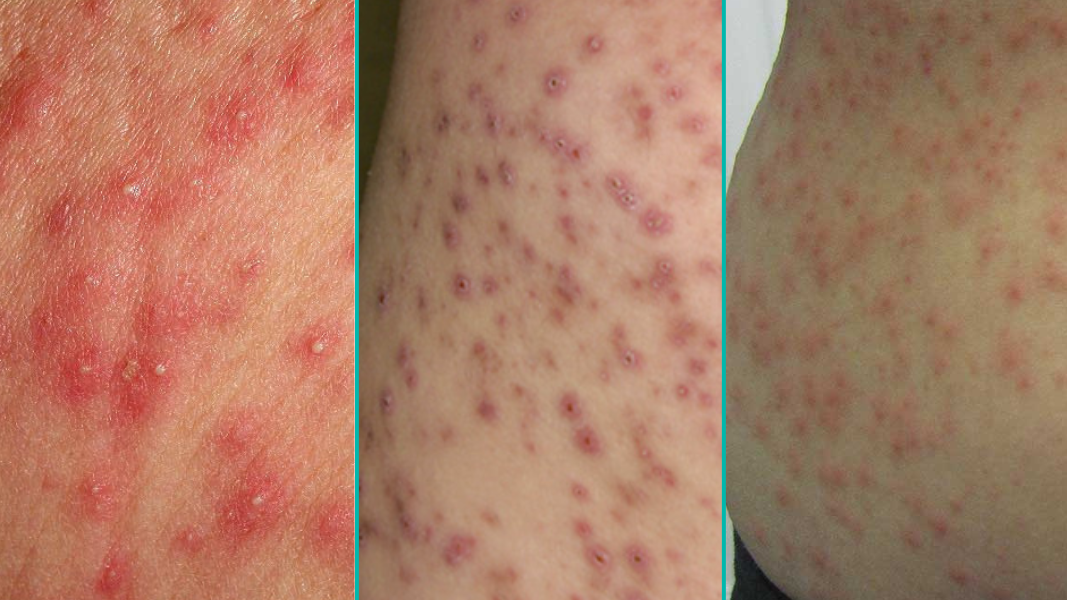
Introduction: Understanding the Struggle with Stubborn Skin Bumps
Having clear, smooth skin is central to confidence. However, when itchy, painful, acne-like red bumps appear across your arms, legs, back, or face, it can disrupt your peace of mind. Many individuals mistake these pesky flare-ups for typical acne breakouts, spending months using ineffective over-the-counter acne washes. In reality, these stubborn bumps are frequently caused by folliculitis—an inflammation or infection of the hair follicles.
At Grazia Skin Clinic, we know that folliculitis is more than just a cosmetic annoyance; it can cause persistent discomfort, physical tenderness, and emotional self-consciousness. If left untreated or mismanaged, chronic inflammation can lead to deep-seated infections, hyperpigmentation, and permanent scarring.
This comprehensive guide explores everything you need to know about this condition: its root causes, the diverse types of follicle infections, how our advanced medical treatments clear the skin, and the critical aftercare protocols required to maintain long-term results. https://graziaskinhairlaserclinic.com/blogs/
Section 1: What is Folliculitis? Everything You Need to Know
To properly treat folliculitis, it is crucial to understand what is happening beneath the skin’s surface. Your body is covered in millions of tiny hair follicles. When these micro-openings become compromised, pathogens or friction can trigger a severe inflammatory response.
The Anatomy of an Infected Hair Follicle
Every hair on your body grows out of an individual follicle, which is tightly connected to a sebaceous (oil) gland. When the opening of the follicle becomes occluded by dead skin cells, heavy lotions, or sweat, it creates an oxygen-depleted, nutrient-rich breeding ground for microorganisms. Damage to the follicle wall—often from shaving, waxing, or tight clothing—allows bacteria, fungi, or viruses to penetrate deeper into the tissue, resulting in localized inflammation, redness, and pus formation.
Acne vs. Folliculitis: How to Tell the Difference
Because both conditions manifest as red bumps and pustules, they are routinely misdiagnosed by patients. Distinguishing between them is vital for effective treatment:
- Acne Vulgaris: Primarily driven by hormonal fluctuations, excess sebum production, and the Cutibacterium acnes bacteria. It typically presents as a mix of blackheads, whiteheads, deep cysts, and nodules, localized heavily on the face, chest, and upper back.
- Folliculitis: Centered directly around individual hair strands. The bumps are generally uniform in size, appear in dense clusters, and are frequently accompanied by intense itching, burning, or physical tenderness. It can appear anywhere hair grows, including the thighs, buttocks, armpits, and scalp.
Section 2: Common Types and Root Causes of Folliculitis
Folliculitis is not a one-size-fits-all condition. It is categorized based on the depth of the inflammation and the specific pathogen involved.
1. Superficial Folliculitis
This form affects only the upper portion of the hair follicle and is the most common variant.
- Bacterial Folliculitis: Typically caused by a common skin bacterium, Staphylococcus aureus. It manifests as itchy, white, pus-filled bumps that can pop up anywhere on the body due to friction or shaving cuts.
- Hot Tub Folliculitis (Pseudomonas Folliculitis): Triggered by the Pseudomonas aeruginosa bacteria, which thrives in poorly chlorinated hot tubs, whirlpools, and heated swimming pools. A widespread rash of red, round, itchy bumps usually develops 1 to 4 days after exposure, concentrating on areas covered by swimwear.
- Pityrosporum Folliculitis (Malassezia Folliculitis): Caused by an overgrowth of yeast rather than bacteria. It produces chronic, intensely itchy pustules on the upper chest, shoulders, and back, frequently flaring up in hot, humid weather.
2. Deep Folliculitis
Deep folliculitis involves the entire thickness of the hair follicle and can spread to surrounding skin tissue, requiring immediate medical intervention.
- Sycosis Barbae: A deep, chronic bacterial infection affecting the beard area in men, often leading to severe inflammation, large pustules, and potential scarring or localized hair loss.
- Gram-Negative Folliculitis: This type occasionally develops in individuals undergoing long-term antibiotic therapy for acne, as the shift in the skin’s microbiome allows resistant gram-negative bacteria to colonize the follicles.
- Boils (Furuncles) and Carbuncles: Occur when a hair follicle becomes deeply and severely infected with staph bacteria. A boil forms a painful, swollen pink or red nodule that fills with pus over several days. A carbuncle is a cluster of several boils joined together beneath the skin surface, often causing systemic symptoms like fever.
Section 3: Advanced Folliculitis Treatments at Grazia Skin Clinic
Over-the-counter remedies often fail because they don’t target the specific underlying cause of your folliculitis. At Grazia Skin Clinic, our team utilizes advanced diagnostic methods and clinical therapies to clear active infections and prevent future recurrences.
1. Expert Dermatological Assessment
Effective care begins with a precise diagnosis. Our experienced clinical staff carefully inspects your skin under magnification, evaluates your medical history, and, when necessary, performs a skin swab or culture to identify whether a bacterial, fungal, or yeast pathogen is responsible for the infection.
2. Tailored Medical Prescriptions
Based on the diagnostic findings, we design a targeted prescription regimen:
- Topical & Oral Antibiotics: For bacterial infections, specialized topical ointments or a course of oral antibiotics are prescribed to rapidly eliminate the infection.
- Antifungal Therapies: If yeast (Pityrosporum) is identified, standard acne treatments will fail. We provide medical-grade oral or topical antifungals to clear the yeast overgrowth.
- Targeted Corticosteroids: For non-infectious, purely inflammatory folliculitis, mild topical steroid preparations may be utilized briefly to reduce swelling, calm severe itching, and prevent hyperpigmentation.
3. Medical-Grade Chemical Peels
Salicylic acid and glycolic acid peels are highly effective for treating chronic superficial folliculitis. Salicylic acid is lipophilic (oil-soluble), allowing it to penetrate deep into the pores and follicles to dissolve trapped dead skin cells, sebum, and debris, while gently exfoliating the skin’s surface.
4. Advanced Laser Hair Reduction
For individuals suffering from recurrent folliculitis caused by shaving, waxing, or coarse hair irritation (such as pseudofolliculitis barbae), Laser Hair Reduction is the definitive long-term solution. By destroying or damaging the hair follicle at its root, the hair grows back finer or ceases to grow altogether, eliminating the physical structure that triggers inflammation.
Section 4: Benefits of Seeking Professional Clinical Treatment
Attempting to treat persistent follicle infections at home can compromise your skin’s health. Partnering with Grazia Skin Clinic offers distinct advantages:
| Benefit | Clinical Outcome |
| Accurate Diagnostic Testing | Identifies the exact pathogen (bacterial vs. fungal) so you don’t waste time on incorrect products. |
| Rapid Relief from Discomfort | Prescribed medical-grade ingredients quickly stop persistent itching, burning, and pain. |
| Prevention of Scarring | Early clinical intervention stops deep nodules from destroying tissue, reducing the risk of permanent scarring. |
| Minimizing Hyperpigmentation | Professional anti-inflammatory treatments prevent dark spots and patches from forming post-infection. |
| Long-Term Remission | Our holistic approach alters your skin’s microenvironment, ensuring the condition does not immediately return. |
Section 5: Essential Home Care and Aftercare Protocol
Achieving clear skin is a collaborative effort. While our in-clinic treatments eliminate active infections, your daily home routine preserves those results and protects vulnerable hair follicles.
1. Maintain Cleanliness and Hygiene
- Wash your skin twice daily and immediately after sweating with a gentle, non-comedogenic cleanser.
- Never reuse damp towels or washcloths; they harbor bacteria and yeast that can easily reinfect compromised skin.
- Avoid picking, scratching, or squeezing the bumps, as this pushes the infection deeper into the dermis and ensures scarring.
2. Re-evaluate Your Hair Removal Techniques
- If you must shave, always use a sharp, clean, single-blade razor.
- Shave strictly in the direction of hair growth, never against it, to avoid forcing the hair shaft back under the skin.
- Apply an oil-free, soothing moisturizing lotion afterward to fortify the skin barrier.
3. Eliminate Friction and Occlusion
- Wear loose, breathable fabrics like cotton or moisture-wicking athletic gear. Tight jeans, leggings, and synthetic materials trap sweat and rub against hair follicles, creating a perfect storm for folliculitis.
- Avoid heavy, oil-based body lotions, cocoa butters, or petroleum products that can physically plug up your pores.
Conclusion: Reclaim Smooth, Healthy Skin Today
Folliculitis can be incredibly frustrating, but you do not have to endure the discomfort and self-consciousness of chronic breakouts. With proper medical diagnosis, advanced targeted therapies, and a structured skincare regimen, beautifully smooth and bump-free skin is fully achievable.
At Grazia Skin Clinic, our focus is on delivering comprehensive, customized skin solutions that heal your skin from the inside out. Don’t let stubborn bumps dictate what you wear or how you feel. Contact us today to schedule your expert consultation and take your first step toward clear, radiant skin.
REFERENCES:-
https://www.ncbi.nlm.nih.gov/books/NBK547754
https://emedicine.medscape.com/article/1070456-overview
https://www.medicalnewstoday.com/articles/318551
https://www.healthdirect.gov.au/folliculitis
https://www.pcds.org.uk/clinical-guidance/folliculitis-an-overview
https://www.mayoclinic.org/diseases-conditions/folliculitis/symptoms-causes/syc-20361634
https://www.webmd.com/skin-problems-and-treatments/what-is-folliculitis