This case study provides a comprehensive overview of Comedonal Acne, a common but often misunderstood skin condition. Based on the clinical environment of the Grazia Skin Hair Laser Clinic, this report outlines the physiological causes, various types, and the multi-step treatment protocols required for long-term skin health.
1. Introduction to Comedonal Acne
Comedonal acne is a type of acne vulgaris that involves the formation of comedones—non-inflammatory lesions caused by the blockage of hair follicles. Unlike inflammatory acne (cysts and pustules), comedonal acne is characterized by a rough, uneven skin texture. It is often the precursor to more severe breakouts if left untreated.
2. Types of Comedones
Understanding the distinction between types is crucial for selecting the right Treatment.
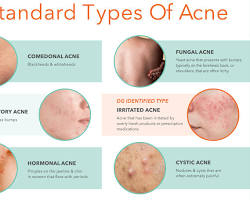
- Open Comedones (Blackheads): These occur when the pore is partially blocked but remains open to the air. The “black” color is not dirt; it is the result of melanin and sebum oxidizing when exposed to oxygen.
- Closed Comedones (Whiteheads): These are completely clogged pores. Because the follicle is sealed, the debris remains white or flesh-colored.
- Microcomedones: The microscopic starting point of all acne, invisible to the naked eye.
- Macrocomedones: Larger-than-average closed comedones, often found on the face of smokers or those with chronic sun damage.
- Giant Comedones: Large, cyst-like openings that are essentially massive blackheads.
3. Causes and Etiology
Comedonal acne is rarely caused by a single factor. It is typically a “perfect storm” of the following:
- Hyperkeratinization: Skin cells don’t shed properly, instead sticking together and plugging the follicle.
- Excess Sebum Production: Overactive sebaceous glands, often triggered by hormones (androgens), provide the “glue” for dead skin cells.
- Hormonal Fluctuations: Puberty, menstruation, and stress increase oil production.
- Dietary Factors: High-glycemic diets (sugars and refined carbs) can spike insulin, which in turn spikes sebum production.
- Cosmetics (Comedogenicity): Using “heavy” or oil-based products that physically block pores.
4. Symptoms and Clinical Presentation
Patients with comedonal acne typically present with:
- A “bumpy” or “sandpaper” skin texture.
- Visible black dots (blackheads) primarily in the T-zone (forehead, nose, chin).
- Small, flesh-colored bumps (whiteheads) that do not feel painful or hot.
- Lack of significant redness or swelling (unless the patient has attempted to squeeze them).
5. Treatment Protocols
Effective treatment focuses on “unclogging” the follicle and preventing new blocks.
Topical Treatments
- Retinoids (The Gold Standard): Derivatives of Vitamin A (like Tretinoin or Adapalene) increase cell turnover, preventing cells from sticking together.
- Salicylic Acid (BHA): An oil-soluble acid that penetrates deep into the pores to dissolve the “plug.”
- Azelaic Acid: Helps with cell turnover and reduces any underlying mild inflammation.
Clinical Interventions
As seen in advanced clinics like Grazia, professional tools are often necessary:
- Chemical Peels: Using Glycolic or Salicylic acid to exfoliate the surface deeply.
- HydraFacial: A specialized Hydra Facial Technology used to vacuum out impurities while hydrating the skin.
- Manual Extraction: Performed by a professional to remove stubborn macrocomedones without scarring.
6. Precautions
- Avoid “Popping”: Squeezing whiteheads at home often pushes the blockage deeper, leading to inflammatory cysts or permanent scarring.
- Check Ingredients: Only use products labeled “Non-comedogenic.”
- Sun Protection: Many acne treatments (especially retinoids) make the skin highly sensitive to UV rays.
7. Aftercare and Long-Term Maintenance
Once the skin is clear, the “maintenance phase” begins:
- Consistent Cleansing: Use a pH-balanced cleanser twice daily.
- Hydration: Use a water-based moisturizer. Dehydrated skin actually produces more oil to compensate.
- Routine Retinization: Continuing a low-strength retinoid can prevent microcomedones from forming in the future.
- Professional Check-ups: Periodic visits to a Dermatologist ensure the routine is adjusted as the skin changes with the seasons or age.