
Introduction: Understanding Psoriasis as a Complex Autoimmune Condition
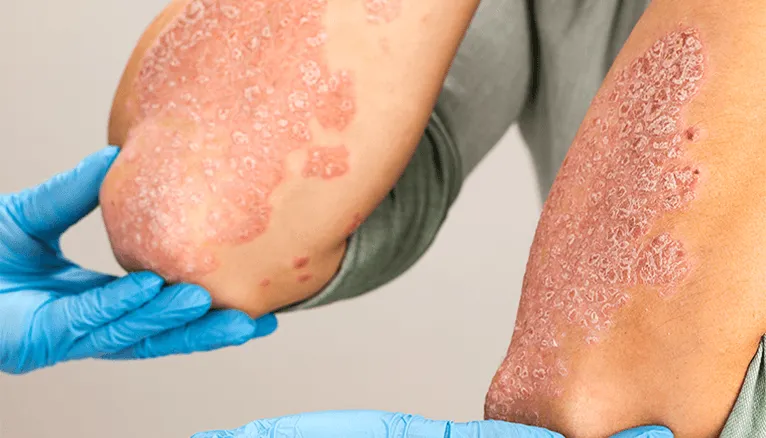
Psoriasis is far more than a superficial cosmetic concern; it is a chronic, immune-mediated systemic disease characterized by rapid epidermal hyperproliferation and cutaneous inflammation. Under normal physiological conditions, skin cells undergo a cyclical maturation process taking approximately 28 to 30 days. In individuals affected by psoriasis, T-cell activation and aberrant cytokine signaling (specifically involving TNF-alpha, IL-17, and IL-23 pathways) accelerate this cycle to a mere 3 to 5 days. This rapid cell turnover prevents keratinocytes from shedding naturally, resulting in the accumulation of silvery scales over thickened, erythematous (red) plaques.
At Grazia Skin Clinic, we understand the physical discomfort, emotional burden, and systemic implications associated with psoriasis. Our clinical protocol combines advanced dermatological diagnostics with personalized, evidence-based therapies designed to induce long-term remission, restore skin barrier function, and significantly enhance your quality of life.
Understanding Psoriasis Subtypes and Symptoms
Psoriasis manifests in several distinct clinical variants, each presenting unique diagnostic and therapeutic considerations:
- Plaque Psoriasis (Psoriasis Vulgaris): The most common form, characterized by raised, inflamed lesions covered with silvery-white scales, typically found on elbows, knees, scalp, and lower back.
- Guttate Psoriasis: Frequently triggered by bacterial infections (such as streptococcal pharyngitis), presenting as small, drop-shaped spots across the trunk and limbs.
- Inverse Psoriasis: Occurs in skin folds (axillae, groin, under breasts), presenting as smooth, shiny red patches exacerbated by friction and sweat.
- Pustular Psoriasis: A severe variant marked by non-infectious, pus-filled blisters on localized areas (palms/soles) or generalized across the body.
- Erythrodermic Psoriasis: A dangerous, widespread form that affects almost the entire body, leading to intense inflammation, skin shedding, and systemic thermal regulation issues requiring urgent medical attention.
Triggers and Systemic Impact
Psoriasis flares are frequently provoked by environmental, biological, and physiological triggers:
- Environmental Stress & Weather: Cold, dry climates degrade barrier lipids, while high humidity can complicate flexural areas.
- Psychological Stress: Triggers systemic neurogenic inflammation via cortisol and neuropeptide release.
- Mechanical Injury (Koebner Phenomenon): Trauma, scratches, or sunburn can initiate new psoriatic plaques at the site of skin damage.
- Systemic Comorbidities: Left unmanaged, chronic psoriatic inflammation is associated with psoriatic arthritis, cardiovascular conditions, metabolic syndrome, and metabolic distress.
Comprehensive Psoriasis Treatment Options at Grazia Skin Clinic
Achieving long-term clear skin requires a step-ladder, multimodal treatment approach customized to the severity, site of involvement, and specific subtype of psoriasis.
1. Topical Medical Therapies (Mild to Moderate Psoriasis)
- Corticosteroids & Calcineurin Inhibitors: High-potency topical steroids reduce localized inflammation during acute flares, while non-steroidal calcineurin inhibitors provide safe, long-term relief for delicate areas such as the face and skin folds.
- Vitamin D3 Analogues (Calcipotriene): Regulates cell proliferation and normalizes keratinocyte growth patterns when used independently or in combination with topical anti-inflammatory agents.
- Keratolytic Formulations: Medical-grade Salicylic Acid and Coal Tar preparations dissolve thick scaly crusts, enhancing the penetration of co-administered active therapies.
2. Phototherapy & Targeted Light Modalities
- Narrowband UVB (NB-UVB): Uses specific light wavelengths (311–312 nm) to suppress cutaneous T-cell activity, reduce localized cytokine release, and slow epidermal turnover without systemic drug toxicity.
- Excimer Laser Therapy: Delivers targeted UVB light directly to recalcitrant plaques while sparing adjacent healthy tissue, making it ideal for localized, persistent lesions on elbows, knees, or scalp.
3. Systemic Medications & Biologic Therapies (Moderate to Severe Psoriasis)
- Conventional Oral Systemics: Disease-modifying agents such as Methotrexate, Cyclosporine, and Acitretin help suppress systemic inflammation or normalize cell differentiation for widespread disease.
- Targeted Biologic Therapies: Advanced, precision-engineered injectable agents targeting specific inflammatory pathways (TNF-alpha, IL-17, or IL-23 inhibitors). Biologics offer rapid, deep skin clearance and long-term remission for severe or treatment-resistant psoriasis.
Personalized Care & Clinical Management Matrix
| Psoriasis Severity | Primary Clinical Goal | First-Line Therapy | Adjunctive Maintenance |
| Mild (< 3% Body Surface) | Reduce plaque thickness & local itch | High-potency topical steroids + Calcipotriene | Emollient barrier repair creams |
| Moderate (3–10% Body Surface) | Control inflammation & halt spread | Targeted Narrowband UVB phototherapy | Systemic/Topical combination regimens |
| Severe (> 10% Body Surface) | Systemic remission & disease control | Targeted Biologic Therapies or Oral Systemics | Ongoing phototherapy + lifestyle management |
Essential Aftercare, Lifestyle, and Flare Management
Psoriasis care extends beyond the clinic doors. Maintaining clear skin requires a structured daily regimen that protects the skin barrier and minimizes environmental triggers.
Daily Barrier Restoration & Skincare Habits
- Bathing Hygiene: Wash with tepid water using soap-free, pH-balanced cleansers. Avoid vigorous scrubbing or harsh loofahs that can trigger the Koebner phenomenon.
- Intense Moisturization: Apply thick emollient ointments or ceramide-rich creams within 3 minutes of exiting the shower to lock in moisture and reinforce broken skin barriers.
- Scalp Care: Use non-abrasive, medicated shampoos containing tar, salicylic acid, or ketoconazole, allowing them to rest on the scalp for 5 to 10 minutes before rinsing thoroughly.
Lifestyle & Systemic Health Maintenance
- Dietary Adjustments: Focus on anti-inflammatory, Mediterranean-style nutrition rich in omega-3 fatty acids, antioxidants, and fiber, while reducing alcohol intake and processed sugars.
- Stress Reduction Techniques: Incorporate daily mindfulness, regular sleep patterns, and moderate exercise to regulate systemic cortisol levels and limit neurogenic flare triggers.
- Avoiding Mechanical Trauma: Wear soft, breathable cotton clothing and protect skin from sun damage, insect bites, or abrasive friction.
High-Authority Clinical References for Further Reading
To learn more about psoriasis etiology, guidelines, and advanced biological research, consult these medical sources:
- National Psoriasis Foundation (NPF) — Comprehensive clinical resources, patient education, and research on psoriasis subtypes and systemic health impact.
- American Academy of Dermatology (AAD) – Psoriasis Clinical Guidelines — Evidence-based diagnostic and treatment guidelines for topical, phototherapeutic, and biological interventions.
- National Center for Biotechnology Information (NCBI / PubMed) — Peer-reviewed scientific literature detailing the immunopathophysiology of interleukin signaling in psoriatic disease.
- Grazia Skin Clinic Official Portal — Explore dedicated treatment options, book diagnostic consultations, and view clinical case studies.
Why Trust Grazia Skin Clinic for Your Psoriasis Care?
- Dermatological Expertise: Comprehensive clinical diagnostics and treatment plans supervised directly by experienced medical professionals.
- Evidence-Based Technology: State-of-the-art phototherapy units, advanced lasers, and access to modern biologic therapies.
- Holistic Patient Management: Customized care plans addressing both immediate skin clearance and long-term systemic wellness.
Conclusion: Take the First Step Toward Clearer, Healthier Skin
Living with psoriasis presents daily physical and mental challenges, but with modern dermatological advances, clear skin and long-term remission are achievable goals. At Grazia Skin Clinic, our patient-centered approach ensures you receive targeted, compassionate care tailored to your unique skin profile.
Schedule your confidential diagnostic assessment at Grazia Skin Clinic today and start your journey toward lasting skin clarity.