The Ultimate Guide to Xanthalasma Treatment at Grazia Skin Clinic
Introduction: Understanding Xanthalasma and Eyelid Plaques
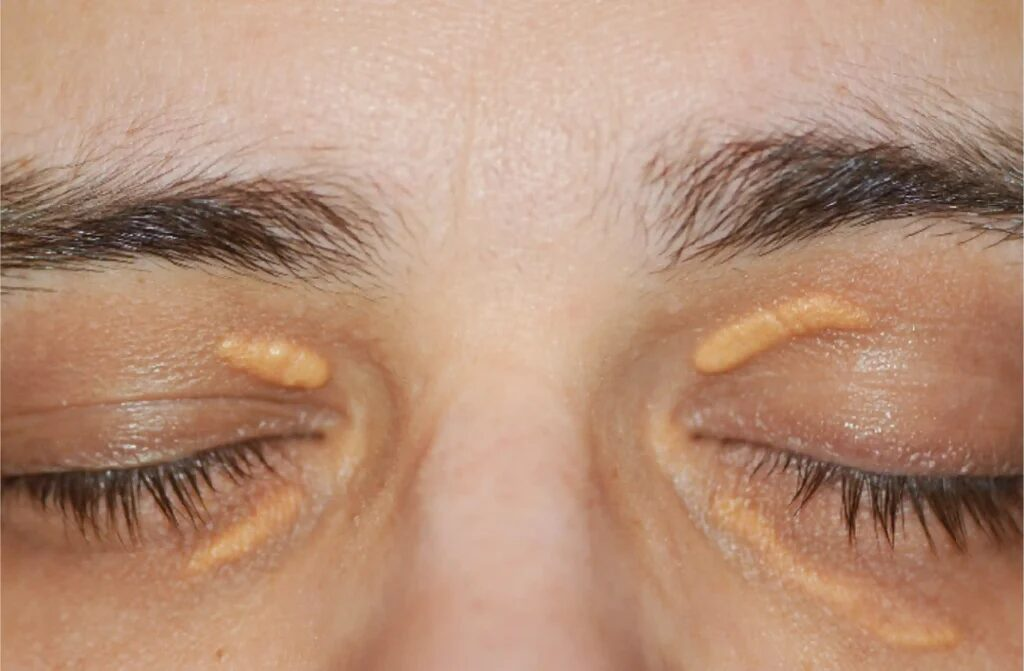
Xanthalasma (scientifically known as Xanthoma Palpebrarum) is a distinct dermatological condition characterized by yellowish, soft, cholesterol-rich plaque deposits that form underneath the skin, most commonly on or around the eyelids. While these plaques are generally benign (non-cancerous) and do not impair vision directly, they can cause significant cosmetic concern and emotional distress. Furthermore, because xanthalasma is frequently associated with underlying lipid metabolism disorders—such as high cholesterol, hyperlipidemia, or cardiovascular risk factors—treating the condition involves both clinical precision and aesthetic expertise.
At Grazia Skin Clinic, xanthalasma treatment is approached with advanced dermatological technology, careful diagnostic evaluation, and strict clinical protocols. By utilizing medical-grade lasers, radiosurgery, or specialized chemical ablation, our specialists safely remove or reduce these stubborn plaques while protecting the delicate skin and surrounding tissue of the eyelids.
The Pathophysiology and Causes of Xanthalasma
To understand how xanthalasma develops, it is helpful to examine its biological origin:
- Lipid Accumulation: Xanthomas form when macrophages (immune cells) ingest excess low-density lipoprotein (LDL) cholesterol circulating in the bloodstream and become trapped within the dermal layers of the skin, forming characteristic yellowish plaques.
- Systemic Health Indicators: Up to 50% of patients presenting with xanthalasma may have underlying dyslipidemia, including elevated serum cholesterol or triglyceride levels. Consequently, dermatological removal is often paired with a recommendation for systemic lipid profiling.
- Anatomical Predilection: The periorbital skin (around the eyes) is exceptionally thin and features a dense network of superficial capillaries, making it a primary site for lipid deposition when metabolic imbalances occur.
Key Benefits of Professional Xanthalasma Treatment
Attempting to remove or treat xanthalasma at home using unverified physical extraction methods or harsh over-the-counter creams can cause severe scarring, permanent pigmentation changes, and accidental chemical damage to the eyes. Seeking professional care at Grazia Skin Clinic offers distinct clinical advantages:
- Precise Tissue Removal: Advanced clinical devices target only the lipid-laden plaque tissue without harming the surrounding healthy eyelid skin.
- Minimal Scarring Risk: Expert dermatological control ensures smooth healing and lowers the risk of hypertrophic or atrophic scars in a sensitive area.
- Comprehensive Health Evaluation: Our clinical team helps identify potential underlying lipid or cardiovascular risk factors, promoting long-term health and preventing recurrence.
- Restored Aesthetic Confidence: Eliminates prominent yellowish eyelid plaques, restoring a smooth, clean, and natural appearance to the eyes.
Treatment Overview: Clinical Xanthalasma Protocols at Grazia Skin Clinic
At Grazia Skin Clinic, every xanthalasma treatment plan is tailored to the thickness of the plaque, its exact location on the eyelid, and the patient’s skin type.
1. Initial Clinical Consultation & Diagnostic Assessment
- Dermatological Evaluation: First, our specialists inspect the size, depth, and distribution of the xanthalasma plaques.
- Blood Lipid Screening Recommendation: Because these plaques are closely linked to systemic cholesterol levels, our doctors advise routine lipid profile blood tests to check internal health metrics.
2. Advanced In-Clinic Treatment Modalities
- Ablative Laser Resurfacing (CO2 Laser): Precision carbon dioxide lasers vaporize the lipid-rich plaque layer by layer with microscopic accuracy, sealing blood vessels instantly and minimizing bleeding.
- Radiofrequency (RF) Ablation: Utilizing high-frequency radio waves to delicately shave away and remove the xanthalasma deposits with minimal thermal damage to surrounding tissue.
- Chemical Spot Peeling (TCA): For superficial plaques, high-concentration Trichloroacetic Acid (TCA) is applied with extreme clinical precision to cause controlled exfoliation and shedding of the plaque tissue.
Essential Pre-Procedure & Aftercare Guidelines
Following proper pre-treatment preparation and meticulous post-procedure care is crucial for smooth skin healing and preventing hyperpigmentation.
Pre-Treatment Protocol
- Avoid Blood Thinners: Refrain from consuming aspirin, ibuprofen, or heavy alcohol 48 hours prior to treatment to minimize bruising.
- Protect Skin from Sun: Avoid active tanning or sunburn on the face in the weeks leading up to your clinical appointment.
- Disclose Medical History: Inform our team of any history of keloid scarring, bleeding disorders, or active eye infections.
Post-Treatment Care Phase (First 7–14 Days)
| Healing Phase | Expected Outcome | Required Care Action |
|---|---|---|
| Days 1–3 | Mild redness, minor swelling, and formation of a thin protective scab | Keep the treated area clean and dry; apply prescribed healing antibiotic ointment |
| Days 4–7 | Natural shedding of the micro-scab (do not pick or scratch) | Avoid touching or peeling the healing skin; use gentle, non-fragranced cleansers |
| Weeks 2–4 | Fresh pink skin emerging as the barrier repairs | Apply broad-spectrum mineral sunscreen daily to prevent post-inflammatory hyperpigmentation |
Why Choose Grazia Skin Clinic?
- Experienced Dermatologists: All treatments are performed or closely supervised by qualified medical specialists skilled in delicate periorbital procedures.
- Advanced Technology: Equipped with state-of-the-art fractional and ablative lasers designed for safe use around the sensitive eye area.
- Holistic Approach: We look beyond surface aesthetics by guiding you on internal lipid management to reduce the likelihood of recurrence.
- Strict Clinical Safety: Uncompromising hygiene and sterilization protocols ensure complete patient safety and comfort.
Conclusion: Clear, Smooth, and Rejuvenated Skin
Ultimately, while xanthalasma can be a persistent cosmetic and health indicator, modern dermatological science offers safe, effective solutions. By combining precise clinical removal techniques with comprehensive patient care, Grazia Skin Clinic helps you clear stubborn eyelid plaques and restore smooth, natural skin confidence.
Book your Xanthalasma consultation at Grazia Skin Clinic today!