
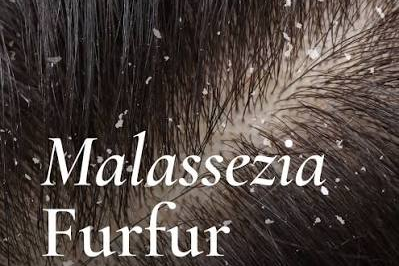
Introduction: Understanding Malassezia and the Monsoon Connection
Malassezia is a genus of lipophilic (fat-loving) yeasts that form a natural part of the human cutaneous microflora. Under normal conditions, these microscopic organisms reside harmlessly on the scalp, feeding on the natural oils (sebum) secreted by sebaceous glands. However, when environmental or biological triggers disrupt the delicate balance of the scalp microbiome, Malassezia populations proliferate rapidly, leading to inflammatory skin conditions such as Seborrheic Dermatitis, Malassezia Folliculitis, and severe Pityriasis Capitis (dandruff).
Why the Monsoon Season Triggers Scalp Microflora Imbalance
The monsoon season creates the perfect storm for Malassezia overgrowth. The primary environmental factors accelerating this fungal surge include:
- High Humidity & Moisture Retention: Elevated atmospheric moisture slows sweat evaporation, leaving the scalp damp for extended periods. Malassezia species thrive in moist, warm microenvironments.
- Hyperactive Sebaceous Glands: Humid weather causes the body’s thermoregulation mechanisms to increase sebum secretion. Because Malassezia is lipophilic, this excess oil serves as an abundant food source for the yeast.
- Trapped Rainwater & Pollutants: Atmospheric pollutants mixed with rainwater disrupt the scalp’s natural pH level (typically around 5.5), compromising the acid mantle and rendering the skin barrier vulnerable to microbial dysbiosis.
- Increased Occlusion: Wet hair tied up or covered with headwear creates a dark, humid environment that promotes fungal spore germination.
Symptoms of Malassezia Overgrowth
Recognizing early signs allows for prompt dermatological intervention before chronic inflammation causes secondary hair follicle damage:
- Persistent, intense scalp itching (pruritus), often worsening after exposure to humidity or sweat.
- Yellowish, oily scales or thick, adherent crusts attached to the scalp surface and hair shafts.
- Erythema (redness) accompanied by localized inflammation around hair follicle bases.
- Tiny, itchy, acne-like pustules along the hairline and upper scalp (Malassezia folliculitis).
- Increased diffuse hair shedding resulting from scalp barrier compromise and mechanical irritation from scratching.
Professional Clinical Treatments at Grazia Skin Clinic
At Grazia Skin Clinic, we utilize advanced dermatological diagnostic tools and evidence-based therapeutic protocols to control Malassezia overgrowth, soothe inflammation, and restore long-term scalp health.
Advanced Clinical Diagnostics
Before initiating treatment, our dermatologists conduct precise evaluations to differentiate Malassezia-induced conditions from psoriasis, contact dermatitis, or classical bacterial infections:
- Trichoscopy (Digital Scalp Analysis): High-magnification dermoscopy enables visual analysis of vascular patterns, follicular orifices, and scale structures.
- Wood’s Lamp Examination: Ultraviolet light evaluation helps visualize fungal fluorescents and assess the severity of colonisation.
- Fungal Scraping & KOH Mount: Direct microscopic examination confirms yeast yeast morphogenesis and rules out secondary pathogens.
Targeted Dermatological Therapies
| Treatment Modality | Active Agents / Mechanism | Target Condition | Clinical Outcome |
| Medical-Grade Antifungal Cleansing | Ketoconazole (2%), Ciclopirox Olamine (1%), Zinc Pyrithione (ZPT) | Mild-to-moderate Malassezia overgrowth & dandruff | Inhibits fungal cell membrane synthesis; reduces yeast count |
| Keratolytic & Anti-Inflammatory Solutions | Salicylic Acid (2-3%), Coal Tar Derivates, Hydrocortisone (short-term) | Thick scale buildup, oily plaques, severe erythema | Exfoliates dead cells, dissolves sebum buildup, alleviates acute itching |
| Targeted Scalp Peels & Detox Protocols | Glycolic Acid, Lactic Acid, Tea Tree Extracts | Clogged hair follicles, stubborn sebum plugs | Clears follicular occlusions, normalizes epidermal cell turnover |
| Low-Level Laser Therapy (LLLT) & LED Therapy | Photobiomodulation (Blue/Red Light Spectrum) | Scalp inflammation, compromised skin barrier | Blue light targets microbial proliferation; Red light stimulates healing |
| Systemic Anti-Fungal Therapy | Oral Itraconazole or Fluconazole (Prescription Only) | Recalcitrant or severe Malassezia Folliculitis | Eliminates systemic/deep-seated fungal involvement |
Home Care & Monsoon Aftercare Protocol
Maintaining treatment outcomes requires strict adherence to home care protocols designed to control moisture, balance sebum production, and support the scalp’s protective barrier.
1. Wash & Care Best Practices
- Drying Strategy: Always dry hair thoroughly immediately after getting rained on or washing. Use a microfiber towel to gently pat dry, followed by a cool air dryer setting. Never tie wet or damp hair.
- Frequency: Wash the scalp 3–4 times weekly during peak monsoon using lukewarm or cool water. Avoid hot water, which strips essential moisture and triggers compensatory oil production.
- Application Method: Apply medicated shampoos directly to the scalp, lathering gently with fingertips (not fingernails), and allow the product to remain in contact with the skin for 5 to 7 minutes before rinsing completely.
2. Products and Habits to Avoid
- Heavy Oils & Butter: Avoid applying traditional hair oils (such as coconut, olive, or mustard oil) to the scalp during active flare-ups. Malassezia metabolizes fatty acids with chain lengths between C11 and C24, using them to multiply.
- Occlusive Hair Styling Products: Limit heavy waxes, pomades, and silicone-heavy leave-in serums that seal in moisture and trap yeast against the skin.
- Shared Grooming Tools: Disinfect combs, brushes, pillowcases, and towels frequently to prevent re-infection.
3. Preventive Lifestyle Habits
- Wear breathable, natural fabrics (such as cotton) and avoid tight-fitting hats or caps during humid weather.
- Maintain a balanced, low-glycemic diet. Excess refined sugars and dairy can increase systemic inflammatory markers and stimulate androgen-driven sebum production.
- Stay hydrated to support skin barrier repair mechanisms from within.
Restoring Scalp Health at Grazia Skin Clinic
Malassezia overgrowth is a manageable condition when addressed with accurate dermatological diagnosis and targeted, clinical-grade care. Attempting to self-treat chronic scalp scaling with heavy oils or harsh over-the-counter products often exacerbates inflammation and delays recovery.
At Grazia Skin Clinic, our team provides customized treatment programs tailored to your scalp’s unique microbiome and lifestyle demands. By combining advanced diagnostic analysis, prescription-strength therapies, and preventive aftercare, we help you achieve a comfortable, flake-free scalp throughout the monsoon season and beyond.
Take control of your scalp health today. Contact Grazia Skin Clinic to schedule your specialized trichology consultation and discover targeted solutions designed for lasting relief.