Section 1: Introduction
Hair loss is a deeply personal, often distressing experience that impacts both appearance and emotional well-being. At Grazia Skin Clinic, we specialize in clinical trichology and advanced dermatology to diagnose and resolve various forms of Alopecia.
Alopecia refers to partial or complete hair loss from regions of the body where hair normally grows. While shedding between 50 to 100 strands per day is a natural part of the hair growth cycle (Anagen, Catagen, and Telogen phases), sudden or progressive hair thinning signifies underlying clinical concerns.
During the monsoon season, environmental factors aggravate hair fall. High atmospheric humidity causes the hair shaft to absorb excess water, leading to swelling, cuticle damage, and increased fragility (hygral fatigue). Additionally, increased sweating combined with scalp sebum creates an ideal breeding ground for fungal micro-organisms like Malassezia. This leads to scalp inflammation, clogged hair follicles, and accelerated shedding.
Whether you are experiencing localized bald patches or diffuse thinning, Grazia Skin Clinic provides scientifically backed, clinical interventions tailored to your specific condition.
Section 2: Types & Causes of Alopecia
Understanding the specific classification of Alopecia is critical for prescribing targeted clinical therapy.
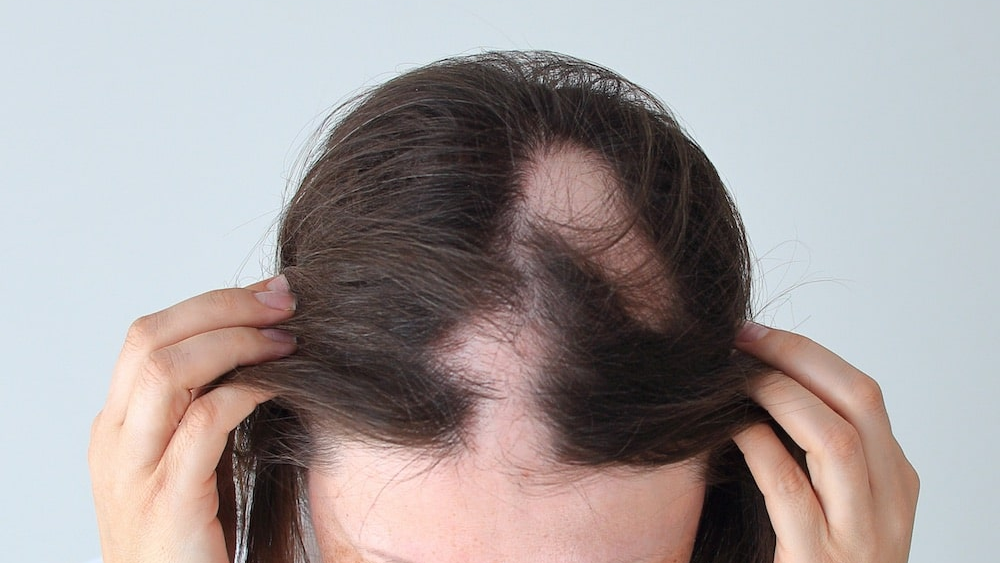
- Alopecia Areata: An autoimmune disorder where the immune system mistakenly attacks hair follicles, leading to round, patchy hair loss on the scalp or body.
- Androgenetic Alopecia (Pattern Baldness): A genetically mediated condition driven by dihydrotestosterone (DHT), causing progressive miniaturization of hair follicles in men and women.
- Telogen Effluvium: A temporary condition where severe stress, hormonal shifts, nutritional deficiencies, or seasonal changes (such as monsoon humidity) push a high percentage of follicles prematurely into the shedding (Telogen) phase.
- Traction Alopecia: Hair loss caused by continuous tension on hair roots from tight hairstyles, headwear, or harsh styling habits.
Section 3: Advanced Treatments at Grazia Skin Clinic
Grazia Skin Clinic offers non-invasive, minimally invasive, and regenerative clinical protocols designed to reactivate dormant hair follicles and improve scalp health.
| Treatment Category | Specific Therapy | Mechanism & Primary Benefits |
| Regenerative Therapy | Platelet-Rich Plasma (PRP) | Uses concentrated growth factors isolated from your blood to stimulate follicular stem cells and enhance microcirculation. |
| Biological Boosters | Exosome Therapy | Delivers cellular messengers and microRNAs directly to the scalp to repair cellular damage and trigger active hair growth. |
| Precision Delivery | Mesotherapy | Micro-injections of custom vitamins, amino acids, and minerals delivered directly into the mesoderm to nourish weak roots. |
| Topical & Oral | Dermatological Prescriptions | FDA-approved topicals (Minoxidil) and oral medications (Finasteride/Spironolactone) to inhibit DHT and promote root anchor strength. |
| Surgical Restoration | FUE Hair Transplantation | Individual follicular unit extraction for permanent hairline reconstruction in advanced pattern baldness cases. |
Section 4: Essential Aftercare & Monsoon Hair Protection
Post-treatment care and daily home regimens preserve clinical results and protect the scalp from environmental stressors.
Immediate Post-Procedure Care
- Avoid washing or wetting the scalp for 24 to 48 hours following PRP, Exosome, or Mesotherapy sessions.
- Refrain from vigorous exercise, saunas, or direct heavy sweat exposure for at least 3 days.
- Avoid applying unprescribed oils, chemical dyes, or harsh hair products to the treated area.
Monsoon Hair Care Guardrails
- Scalp Hygiene: Wash your hair regularly with a mild, dermatologist-recommended antifungal or clarifying shampoo to clear sweat and oil buildup.
- Immediate Rain Protection: If caught in dirty rainwater, rinse your hair immediately with clean water to remove acidic pollutants.
- Avoid Tying Wet Hair: Drying hair completely before tying it back prevents microbial growth and minimizes root breakage.
- Nutritional Support: Ensure adequate intake of protein, iron, zinc, and Vitamin D3 to support internal follicle health during high-shedding seasons.
Section 5: Conclusion
Alopecia is a manageable medical condition when tackled with early diagnosis and personalized dermatological care. Environmental factors like monsoon humidity can accelerate shedding, but they should not permanently compromise your hair density.
At Grazia Skin Clinic, our evidence-based trichology treatments are engineered to address hair loss at its root cause. Restore your hair density, revitalize your scalp health, and regain your confidence. Schedule your comprehensive hair and scalp evaluation with Grazia Skin Clinic today.