Understanding and Treating Hair Breakage During Monsoon: The Complete Restoration Guide
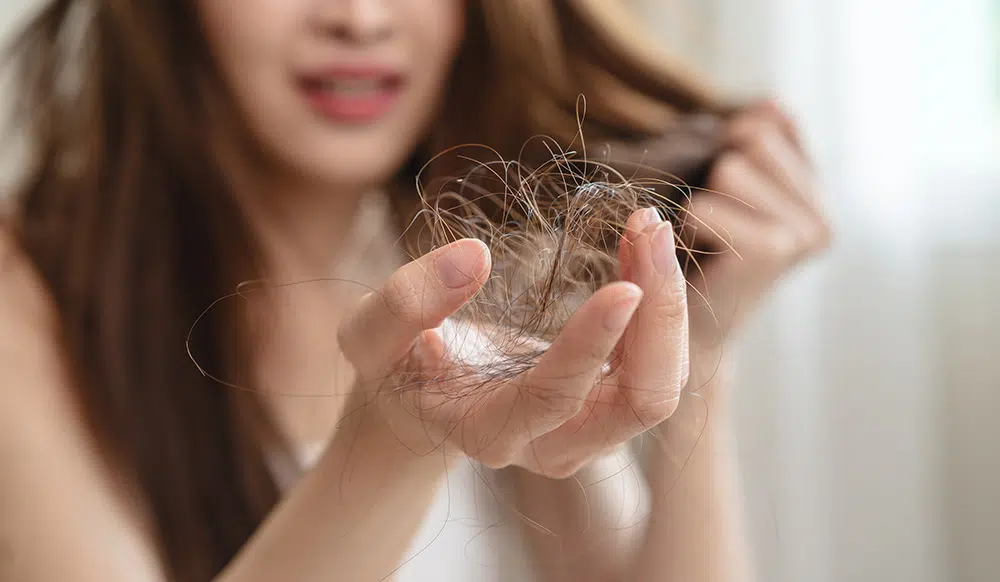
The arrival of the monsoon season brings welcome relief from scorching summer heat, refreshing showers, and lush surroundings. However, while the rain rejuvenates nature, it often wreaks havoc on your hair. For millions of individuals, the monsoon signals the onset of relentless hair breakage, excessive frizz, scalp itchiness, and distressing thinning. If you have noticed an alarming increase in strands tangled in your comb or pooling near the shower drain during rainy months, you are not alone. Monsoon-induced hair loss and breakage are among the most frequent dermatological complaints reported during this time of year.
At Grazia Skin Clinic, we specialize in clinical trichology and advanced dermatological care to protect, restore, and strengthen your hair against seasonal aggressors. This comprehensive guide details the scientific mechanisms behind monsoon hair breakage, explores specialized clinical treatments, outlines daily preventive care routines, and highlights how customized clinical intervention can safeguard your hair health.
The Science Behind Monsoon Hair Breakage
To effectively treat seasonal hair damage, it is essential to understand why high humidity and changing weather conditions weaken hair structure. Hair breakage during monsoon is not merely a cosmetic issue; it is a complex biological and structural process driven by environmental factors.
Monsoon Environmental Aggressors
          │
          ├─► High Atmospheric Humidity ──► Swells Cortex & Elevates Cuticles ──► Frizz & Loss of Elasticity
          ├─► Damp Scalp & Sweat ─────────► Fungal & Bacterial Overgrowth ──────► Scalp Inflammation & Weak Roots
          └─► Rainwater Pollutants ───────► Chemical Residue & Structural Friction ──► Snapping & Split Ends
1. High Atmospheric Humidity and Hydrophobic Disruption
Hair strands are naturally porous and sensitive to ambient moisture levels. During the monsoon, atmospheric humidity regularly exceeds 80%. When hair absorbs excess moisture from damp air, hydrogen bonds within the internal cortex break and reform inconsistently. This causes the hair shaft to swell unevenly, forcing the outermost protective cuticle layers to lift and fray.
Lifted cuticles leave the delicate inner core of the hair shaft exposed. As a result, friction between neighboring strands increases exponentially, leading to severe tangling, extreme frizz, and loss of tensile elasticity. When combed or styled, weakened hair snaps easily along the shaft rather than shedding naturally from the follicle.
2. Scalp Microflora Imbalance and Microbial Infections
The combination of sweat, high humidity, and trapped atmospheric moisture creates an optimal breeding ground for microbes on the scalp. Malassezia, a naturally occurring microfungus, thrives in damp, sebum-rich environments. The overgrowth of Malassezia triggers inflammatory conditions such as seborrheic dermatitis, severe dandruff, and folliculitis.
An inflamed, itchy scalp weakens the structural anchor of the hair roots. Frequent scratching damages the delicate follicular opening, compounding root-level shedding with mid-shaft structural breakage.
3. Rainwater Contaminants and Chemical Residue
Rainwater in urban environments is rarely pure; it often carries acidic compounds, chemical pollutants, dust, and toxic particulate matter. When rainwater settles on your hair and dries, these chemical residues strip natural lipids from the hair shaft, leaving strands brittle, rough, and dehydrated.
Furthermore, drying hair naturally in high humidity prolongs the time hair stays in a wet, fragile state—making it significantly more susceptible to mechanical friction and breakage.
Common Symptoms of Monsoon Hair Damage
Recognizing early warning signs allows for prompt intervention before temporary seasonal damage leads to chronic hair thinning. Key indicators include:
- Excessive Frizz and Flyaways: Raised cuticles absorb moisture, making hair unmanageable and coarse.
- Increased Mid-Shaft Snapping: Short, broken fragments of hair fall onto clothes or pillows during brushing.
- Persistent Scalp Itchiness and Flaking: Redness, oily flakes, or persistent irritation around the hairline and crown.
- Loss of Volume and Dullness: Excess sebum and moisture weigh down hair, stripping away natural shine.
- Tangled Knots: Frayed cuticles interlock, forming stubborn knots that break under routine combing.
Advanced Clinical Treatments at Grazia Skin Clinic
While high-quality home care products provide essential surface maintenance, severe or recurring seasonal breakage requires targeted clinical therapies that penetrate deep into the scalp and hair cortex. Grazia Skin Clinic provides state-of-the-art, evidence-based treatments designed to restore hair integrity from root to tip.
| Treatment | Primary Target | Mechanism | Key Benefits |
| Platelet-Rich Plasma (PRP) | Weakened Hair Roots & Thinning | Micro-injections of autologous growth factors derived from patient blood | Reactivates dormant follicles, strengthens root anchoring, boosts circulation |
| Growth Factor Therapy (GFT) | Accelerated Hair Loss & Fragility | Lab-purified recombinant growth proteins delivered via micro-needling | Stimulates cellular regeneration, increases hair diameter, improves resilience |
| Hydra-Scalp Detox & Deep Conditioning | Clogged Follicles & Dull, Dry Shafts | Vortex-suction cleansing combined with deep-penetrating protein infusion | Unclogs pores, balances scalp pH, restores moisture barrier, seals open cuticles |
| Clinical Low-Level Laser Therapy (LLLT) | Cellular Sluggishness & Weak Growth | Cold laser wavelengths (650 nm) targeting hair matrix cells | Enhances ATP production, extends the Anagen (growth) phase, reduces inflammation |
1. Platelet-Rich Plasma (PRP) Therapy
PRP therapy is a scientifically validated treatment for hair revitalisation. A small sample of your blood is processed in a centrifuge to isolate plasma rich in platelets and essential growth factors (PDGF, VEGF, and FGF).
Administered via micro-injections directly into the scalp, PRP stimulates hair matrix cells, enhances micro-vascular blood supply around follicles, and fortifies root strength. This prevents premature transition into the Telogen (shedding) phase and reinforces structural integrity.
2. Advanced Growth Factor Therapy (GFT)
For individuals seeking needle-light or highly concentrated alternatives, Growth Factor Therapy delivers synthesized, highly concentrated growth proteins directly to the scalp via transdermal micro-needling. GFT promotes cellular turnover, reduces scalp inflammation caused by humidity, and increases hair shaft diameter, rendering strands far more resistant to mechanical breakage.
3. Hydra-Scalp Detoxification & Deep Cuticle Repair
Monsoon hair breakage often stems from a combination of an unhealthy scalp environment and damaged hair shafts. Our customized Hydra-Scalp Detox utilizes medical-grade vortex extraction to clear sebum buildup, fungal residue, and atmospheric pollutants from the scalp.
This is immediately followed by a clinical protein and peptide infusion that binds directly to damaged keratin chains in the hair shaft, smoothing down raised cuticles and locking in crucial moisture.
4. Low-Level Laser Therapy (LLLT)
LLLT uses precise biostimulative light wavelengths to penetrate the scalp without generating heat or causing surface injury. The laser light stimulates mitochondrial activity within hair root cells, increasing cellular energy (ATP) production. This extended cellular nourishment promotes stronger, thicker, and resilient hair growth capable of withstanding harsh seasonal humidity.
Daily Monsoon Hair Care & Aftercare Protocol
Sustaining the benefits of clinical treatments requires a consistent, gentle home care routine tailored specifically for humid conditions.
                      DAILY MONSOON AFTERCARE
                                 │
         ┌───────────────────────┼───────────────────────┐
         ▼                       ▼                       ▼
  Scalp Hygiene           Mechanical Care          Environmental
  - Sulfate-free shampoo  - Wide-tooth wooden comb  - Avoid rainwater
  - Antifungal wash 2x/wk - Microfiber towel dry   - Protective hats/scarves
  - Leave-in serum        - Silk pillowcases       - Anti-frizz protection
1. Optimal Washing and Drying Practices
- Wash Frequency: Cleanse your scalp 2 to 3 times weekly with a mild, sulfate-free shampoo to remove excessive oil and sweat without stripping natural moisture.
- Targeted Antifungal Care: Use a dermatologist-prescribed anti-fungal wash containing ketoconazole or zinc pyrithione once or twice weekly if you experience itching or flaking.
- Gentle Towel Drying: Avoid aggressively rubbing wet hair with rough terrycloth towels. Instead, gently blot excess water using a microfiber towel or soft cotton T-shirt to minimize friction.
- Avoid Wet Combing: Hair is at its weakest when wet. Always allow hair to dry up to 80% before attempting to detangle using a wide-tooth wooden comb, working gently from the ends upward to the roots.
2. Protective Styling and Environmental Protection
- Avoid Tight Hairstyles: High ponytails, tight braids, or restrictive buns pull on moisture-swollen, fragile roots, causing traction alopecia and root snapping. Opt for loose braids, low clips, or soft scrunchies.
- Shield Hair from Rainwater: Always carry an umbrella or waterproof hat. If caught in a downpour, rinse your hair immediately with fresh tap water and follow with a lightweight conditioner.
- Limit Thermal Styling: Heat tools like straighteners and curling irons weaken the hair shaft’s hydrogen bonds further. Minimize hot tool usage during the monsoon, and always apply a high-grade thermal protectant when styling is necessary.
3. Nutritional and Lifestyle Support
Hair strength depends significantly on internal nourishment. Ensure your diet supports seasonal hair health by incorporating:
- Lean Proteins: Eggs, fish, legumes, tofu, and nuts provide amino acids essential for synthesis of keratin, the primary structural protein in hair.
- Omega-3 Fatty Acids: Flaxseeds, walnuts, and salmon help lubricate the hair shaft and soothe scalp inflammation from within.
- Micronutrients: Biotin, Zinc, Iron, Vitamin D, and Vitamin E play crucial roles in follicular health and structural repair.
Why Choose Grazia Skin Clinic?
Managing hair breakage effectively requires accurate diagnosis and customized clinical solutions rather than generic home remedies. At Grazia Skin Clinic, we prioritize patient-centered care and clinical precision:
- Expert Dermatological Care: Experienced dermatologists and clinical trichologists thoroughly assess your scalp and hair health before recommending treatments.
- Advanced Trichoscopic Diagnostics: We utilize high-resolution digital trichoscopy to inspect scalp health, follicular density, and cuticle integrity at a microscopic level.
- Tailored Treatment Plans: No two hair profiles are identical. We design targeted treatment protocols combining in-clinic procedures with personalized home-care regimens.
- State-of-the-Art Technology: Our clinic employs FDA-approved, medical-grade equipment and sterile, precise protocols to ensure maximum efficacy and safety.
Reclaim Healthy, Strong Hair Today
Monsoon hair breakage does not have to be an inevitable seasonal problem. With proper understanding, targeted home care, and advanced clinical intervention, you can keep your hair resilient, vibrant, and strong year-round.
Take the first step toward healthy, breakage-free hair today. Schedule your personal consultation at Grazia Skin Clinic and let our clinical specialists create a customized restoration plan tailored specifically to your hair’s needs.