Introduction: The Biological Impact of Ultraviolet Radiation
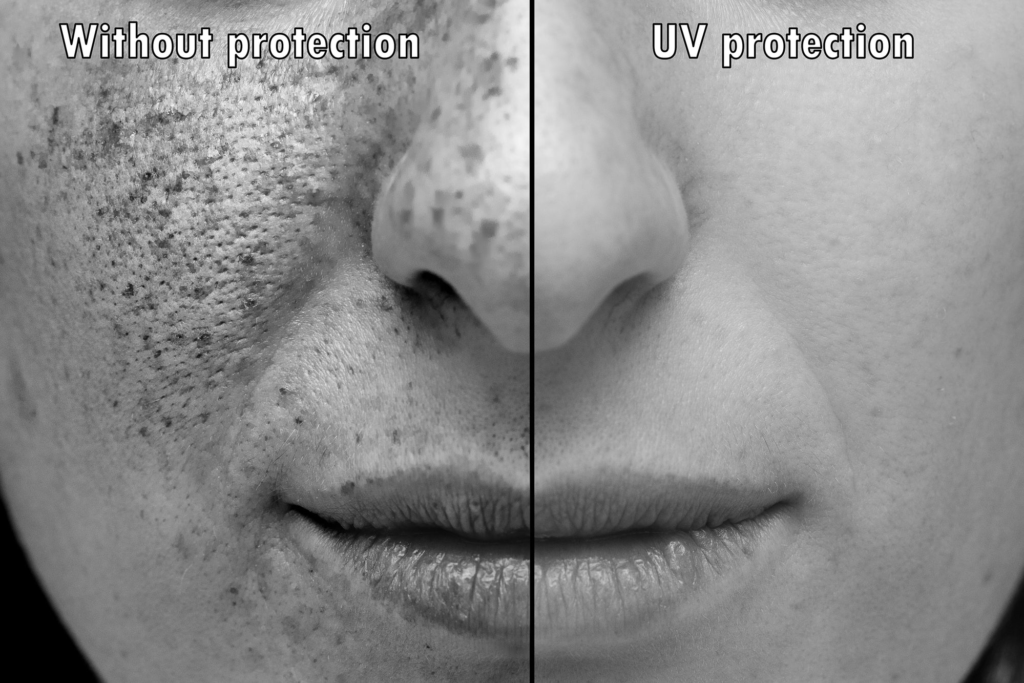
Sun damage, clinically referred to as Photoaging or Dermatheliosis, is the cumulative structural degradation of the skin caused by chronic exposure to ultraviolet (UV) radiation. Unlike chronological aging, which is genetic, photoaging is environmental. When UV rays penetrate the skin, they trigger a complex cascade of cellular dysfunction.
At Grazia Skin Clinics, we approach sun damage as a multifaceted condition. UVA rays penetrate deep into the dermis, destroying the collagen and elastin fibers that maintain skin firmness. Simultaneously, UVB rays target the epidermis, damaging cellular DNA and triggering hyperactive melanin production. Over time, this results in a compromised barrier, uneven texture, and deep structural thinning. Understanding this process is the first step toward clinical correction.
Types of Sun Damage: From Surface Spots to Structural Collapse
Sun damage is not a monolithic condition; it manifests in different layers of the skin, requiring distinct clinical interventions.
| Type | Clinical Term | Visual Characteristic | Biological Cause |
| Pigmentary | Solar Lentigines | Flat, brown “age spots” or liver spots. | Clustered melanin production. |
| Vascular | Telangiectasia | Persistent redness and visible broken capillaries. | Dilated blood vessels near the surface. |
| Textural | Actinic Keratosis | Rough, scaly, sandpaper-like patches. | Pre-cancerous buildup of keratinocytes. |
| Structural | Solar Elastosis | Deep wrinkles, leathery texture, and skin laxity. | Total breakdown of elastin fibers. |
Treatment: The Grazia Multi-Modal Rejuvenation Protocol
We do not rely on a single treatment. Instead, we architect a clinical plan that addresses every layer of damage simultaneously.
1. Energy-Based Pigment Shattering (Q-Switched & Picosecond Lasers)
For deep-seated solar lentigines, we utilize high-precision lasers. These devices emit nanosecond pulses of light that target melanin specifically, shattering pigment clusters into microscopic fragments. Subsequently, your body’s immune system naturally processes and eliminates these particles, revealing clear, unblemished skin.
2. Deep Dermal Remodeling (Fractional CO2 / RF Microneedling)
To treat structural sagging and deep wrinkles, we induce controlled trauma. By creating thousands of microscopic channels in the dermis, we force the skin to initiate a massive wound-healing response. As a result, the body produces fresh, organized collagen and elastin, literally thickening the skin from the inside out.
3. Chemical Metabolic Resurfacing
For surface-level dullness and light sun spots, we employ medical-grade chemical peels (TCA or Glycolic). These formulas gently dissolve the “glue” holding dead, damaged cells together, accelerating cellular turnover and unveiling the smooth, healthy skin underneath.
Benefits of Clinical Sun Damage Repair
Investing in professional repair offers advantages that go far beyond aesthetics:
- Restoration of Barrier Function: By repairing the skin matrix, we improve the skin’s ability to retain moisture, reducing long-term dryness.
- Cancer Prevention: Identifying and removing pre-cancerous lesions (like Actinic Keratosis) is a vital, life-saving component of our clinical assessment.
- Textural Refinement: You will experience a visible reduction in pore size and a significantly smoother surface finish.
- Holistic Rejuvenation: By correcting oxidative stress, your skin gains a natural, healthy luminosity that topical creams alone cannot achieve.
Aftercare: Safeguarding Your Clinical Investment
Once we have repaired your skin, it is your responsibility to shield it. The “Cellular Memory” of sun-damaged skin means it is prone to relapse if left unprotected.
- Strict Solar Shielding: Use a broad-spectrum, physical sunscreen (Zinc Oxide or Titanium Dioxide) with SPF 50+ every single day, regardless of weather.
- Antioxidant Defense: Incorporate a high-potency Vitamin C serum in the morning. By doing so, you neutralize free radicals before they can cause further damage.
- Hydration Focus: Post-treatment skin requires intense hydration. Use serums rich in Hyaluronic Acid and Ceramide-based moisturizers to support the healing barrier.
- Avoid Physical Irritants: For 7 days post-treatment, avoid scrubs, loofahs, or retinol. Let the skin recover without mechanical interference.
Conclusion: Reclaiming Your Skin’s Future
Sun damage is not a permanent sentence; it is a clinical condition that can be managed, repaired, and reversed. At Grazia Skin Clinics,https://graziaskinhairlaserclinic.com/best-skin-hair-clinic/ we combine advanced medical technology with dermatological expertise to peel back the years of solar exposure. Whether you are dealing with stubborn dark spots or the early signs of leathery texture, our customized treatment plans are designed to help you regain a vibrant, resilient, and youthful complexion.
https://www.aad.org/public/everyday-care/sun-protection/sun-damage-skin