
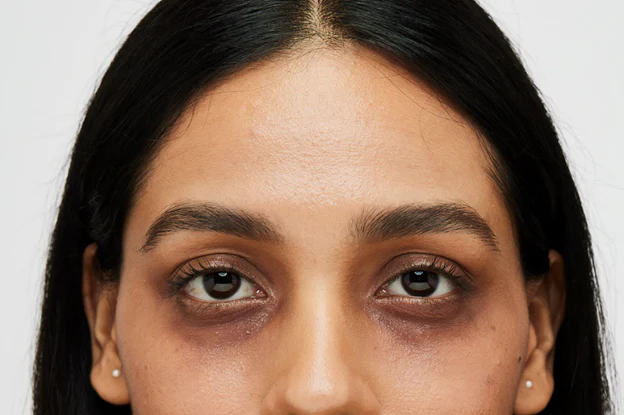
Illuminating the Gaze:
1. Introduction: The Delicate Anatomy of the Periocular Area
The periocular region, which is the skin surrounding the eyes, is notably the thinnest and most sensitive area on the entire human body. Due to the fact that it lacks robust sebaceous glands and the thick dermal layers found in other regions, this specific area is often the very first to betray signs of fatigue, aging, and internal health imbalances. Consequently, these issues frequently manifest through the appearance of Dark Circles, clinically referred to as Periorbital Hyperpigmentation.
At Grazia Skin and Hair Clinic, we recognize that dark circles are rarely the result of just a single factor. On the contrary, they represent a complex aesthetic concern that can unfortunately make an individual look prematurely aged or perpetually exhausted. In light of this, our clinical approach moves beyond simple “cover-up” solutions. Instead, we focus on identifying the specific anatomical and physiological root causes in order to provide our patients with long-lasting, bright, and rejuvenated results.
2. The Etiology: Why Do Dark Circles Form?
Dark circles are a multi-causal phenomenon. At Grazia Skin Clinic, we categorize the primary drivers into several key sectors:
- Vascular Congestion: Because the skin is so thin, the underlying bluish veins and blood vessels become visible, especially when blood flow is sluggish or the vessels are dilated.
- Dermal Melanin Deposition: Genetic factors or excessive sun exposure can lead to an overproduction of melanin specifically in the under-eye area.
- Structural Hollows (The Tear Trough): As we age, the loss of sub-orbital fat and bone resorption creates a “hollow” or “trough.” This creates a shadow effect that mimics the appearance of dark pigment.
- Periorbital Edema: Fluid retention caused by high salt intake, allergies, or lack of sleep can lead to puffiness. This shadow cast by the “bags” underneath the eyes intensifies the dark appearance.
- Post-Inflammatory Hyperpigmentation (PIH): Frequent rubbing of the eyes due to allergies or dryness causes micro-trauma, leading to skin darkening.

3. Classification and Types of Dark Circles
To treat dark circles effectively, we must first classify them into one of four clinical types:
- Vascular Type: Characterized by a blue, pink, or purple tint. This is usually happens due to thin skin and visible capillaries.
- Pigmented Type: Presents as a brown or tan shade. This is true hyperpigmentation of the skin itself.
- Structural Type: These are not “pigment” but “shadows.” They disappear when a light is shone directly on the area, indicating they are caused by hollows or eye bags.
- Mixed Type: A combination of two or more of the above—most commonly a mix of vascular transparency and structural shadowing.
Some causes of dark circles under the eyes may includeTrusted Source: - lack of sleep or poor sleeping habits
- allergies, including hay fever
- hyperpigmentation, which happens when the body produces more melanin
- reduced levels of fatty tissue around the eyes
- thinning skin under the eyes
- iron deficiency anemia
- overexposure to sunlight
- frequent rubbing of the eyes
- smoking
- thyroid conditions
- dehydration
- dermatitis
- eye drop treatment for glaucoma, including bimatoprost and latanoprost
- There are some risk factors for dark circles under the eyes, such as:
- Nonwhite heritage: Dark circles are more common in people with darker skin tones, and they affect people of color more than white people. This risk factor is thought to be due to changes in pigmentation.
- Older age: Loss of fatty tissue and thinning of the skin around the eyes are part of the aging process. These changes can make dark circles appear more defined in older adults. A tear trough is the hollow under the eyes, which can cause dark circles and is related to aging.
- Genetics: Dark circles can be hereditary. If someone has dark circles under their eyes, they may also appear in some other family members.
4. Symptoms and Aesthetic Effects
Beyond the visible dark color, dark circles are often accompanied by:
- Hollowness: A sunken appearance that creates a “tired” look.
- Fine Lines (Static Rhytids): Often called “crepey skin,” caused by dehydration and collagen loss.
- Puffiness: Morning edema that can stretch the delicate skin over time.
- Texture Irregularity: Small bumps (milia) or roughness that prevents smooth makeup application.
- Psychological Impact: Patients often report feeling self-conscious, leading to a heavy reliance on concealers and a perceived loss of facial vitality.
What deficiency gives dark circles?
Dark circles are frequently caused by deficiencies in iron (anemia), vitamin B12, vitamin K, vitamin C, and vitamin D. These deficiencies impair blood circulation, weaken collagen, or reduce oxygen to tissues, making the delicate skin under the eyes appear darker, thinner, or bluish. The National Skin Centre +3
Key Nutritional Deficiencies:
Iron (Anemia): Low iron causes poor oxygen supply to tissues, making the skin pale and the veins under the eyes more visible.
Vitamin B12: Essential for red blood cell health; a deficiency can lead to poor circulation and a bluish, gray, or darkish tint under the eyes.
Vitamin K: Necessary for blood clotting; a shortage can cause blood to collect and show through the thin skin under the eyes.
Vitamin C: Essential for collagen production; a lack makes the skin thinner and less firm, allowing vessels to appear darker.
Vitamin D: Often low in those with limited sun exposure, contributing to general under-eye fatigue.
Other Factors:
Dehydration: Causes skin to look dull and sunken.
Cortisol Deficiency: Can cause the body to produce excess hormones that result in dark circles.
How to Address:
Dietary Changes: Increase intake of iron-rich foods (leafy greens, liver), Vitamin K (leafy greens), and Vitamin C (citrus fruits).
Supplements: Consult a doctor regarding iron or vitamin supplements.
Lifestyle: Ensure adequate sleep, hydration, and protection from sun exposure.
Disclaimer: Dark circles can also be caused by genetics, allergies, and aging. It is best to consult a healthcare professional for a proper diagnosis.
5. Advanced Treatment Procedures at Grazia Skin Clinic
Our clinical protocols utilize “Desi-Modern” science to brighten the eye area safely and effectively.
A. Under-Eye Chemical Peels
We use specialized, low-concentration peels (such as Arginine or Lactic acid) specifically formulated for the sensitive eye area. These peels gently exfoliate the pigmented surface cells and stimulate mild collagen renewal without causing irritation.
B. Q-Switched Laser & Pico Laser
For true pigmented dark circles, laser energy targets the melanin clusters, breaking them down into microscopic particles that the body’s lymphatic system can naturally flush away.
C. Radiofrequency (RF) Skin Tightening
Using the Bipolar RF modality from our integrated platforms, we deliver gentle heat to the periocular skin. This tightens the “crepey” texture and improves local blood circulation, reducing the “blue” vascular look.
D. Tear Trough Fillers & Bio-Remodeling
For structural hollows, we use ultra-light Hyaluronic Acid fillers or bio-remodeling injections (like Profhilo). By subtly filling the hollow area, we eliminate the shadow, providing an instant “rested” appearance.
E. Mesotherapy Infusions
A cocktail of lightening agents (like Kojic Acid, Vitamin C, and Tranexamic Acid) is delivered via micro-injections or ultrasound infusion to nourish the skin from within and inhibit future pigment production.
6. Clinical Aftercare: Protecting the Brightness
The eyes are highly reactive. Following a procedure at Grazia Skin Clinic, we mandate a strict aftercare routine:
- To ensure long-lasting results after your professional treatment, it is essential to follow a structured maintenance routine. Here is the recommended aftercare protocol for bright, healthy under-eyes:
- Sun Shielding: Because the under-eye area is highly prone to “rebound” pigmentation, consistent protection is vital. Therefore, the use of a physical (mineral) sunscreen and high-quality UV-protected sunglasses is considered non-negotiable.
- Hydration Focus: In addition to sun protection, maintaining the skin’s moisture barrier is crucial for a smooth appearance. To achieve this, you should use an eye cream containing ceramides or hyaluronic acid at least twice daily.
- Sleeping Position: Another important factor is your resting posture, as gravity can influence fluid retention. Consequently, you should sleep with an extra pillow to elevate the head, which effectively prevents fluid from pooling under the eyes (edema).
- Avoid Rubbing: Furthermore, it is important to remember that physical friction is the ultimate enemy of bright eyes. For this reason, you must treat any underlying allergies, such as hay fever, to successfully prevent the urge to rub the sensitive skin.
- Topical Actives: Finally, to enhance the clinical results at home, you can incorporate specialized ingredients into your nightly routine. Specifically, utilizing Vitamin K for vascular issues or caffeine-based serums can help constrict vessels and significantly brighten the skin..
7. Conclusion: Waking Up the Face
Dark circles are often perceived as a permanent fixture, but with the right clinical intervention, they can be significantly diminished. At Grazia Skin and Hair Clinic, we combine diagnostic precision with advanced laser and infusion technologies to refresh your gaze. We don’t just treat the color; we treat the texture and the volume to ensure your eyes look as energetic as you feel.
https://www.healthline.com/health/dark-circle-under-eyes
Say goodbye to tired eyes. Schedule your specialized under-eye assessment at Grazia Skin Clinic today and rediscover your natural glow.