Facial Hyperpigmentation:
1. Introduction: The Science of Skin Tone
Skin color is determined by the production of melanin, a natural pigment produced by specialized cells called melanocytes. When these cells become overactive or unevenly distributed, it results in Hyperpigmentation—a common yet complex dermatological condition characterized by darkened patches or spots on the skin.
At Grazia Skin and Hair Clinic, we understand that facial hyperpigmentation is more than a cosmetic concern; it is a significant emotional burden that can impact professional and social confidence. Whether it is caused by the intense Indian sun, hormonal shifts, or post-acne scarring, treating hyperpigmentation requires a precise, medical-grade approach. This study provides an exhaustive look at why hyperpigmentation occurs and how modern clinical technology can restore an even, radiant complexion.
2. The Etiology: What Triggers Dark Spots?
Hyperpigmentation is the skin’s biological response to injury or stimulation. The most common drivers include:
- Ultraviolet (UV) Exposure: The sun is the primary catalyst. UV rays stimulate melanocytes to produce melanin as a protective mechanism (tanning), but chronic exposure leads to “solar lentigines” or permanent sunspots.
- Hormonal Fluctuations: Significant shifts in estrogen and progesterone (during pregnancy or while taking oral contraceptives) can trigger the overproduction of pigment, leading to Melasma.
- Post-Inflammatory Response (PIH): Any trauma to the face—such as acne, eczema, or a superficial burn—triggers an inflammatory cascade that leaves behind dark marks once the initial wound heals.
- Insulin Resistance: Metabolic issues can cause localized darkening, particularly in the folds of the neck and face (Acanthosis Nigricans).
- Environmental Pollution: Particulate matter in urban air can induce oxidative stress, which further excites pigment-producing cells.
3. Classification and Types of Facial Hyperpigmentation
Not all dark spots are the same. A successful treatment at Grazia Skin Clinic begins with identifying the specific type:
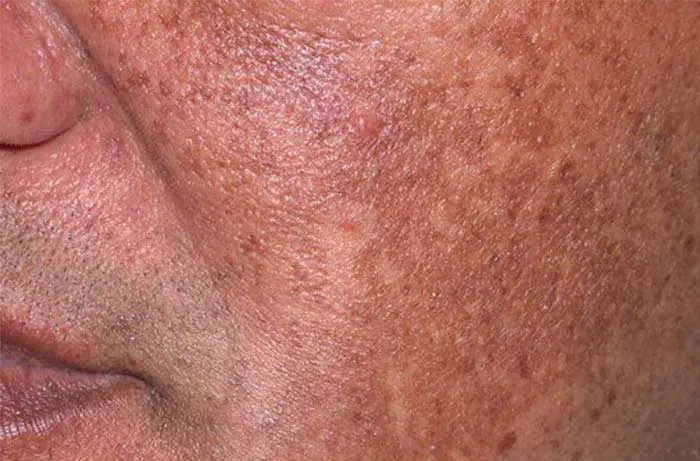
- Melasma (Chloasma): Often called the “mask of pregnancy,” it appears as large, symmetrical brown or grayish patches on the forehead, cheeks, and upper lip. It is deeply rooted in hormonal and UV triggers.
- Solar Lentigines (Age Spots): Small, well-defined dark spots that appear on areas most exposed to the sun. They are common as we age and the skin’s ability to regulate pigment weakens.
- Post-Inflammatory Hyperpigmentation (PIH): These are the flat pink, red, or brown marks left behind after an acne breakout or skin injury.
- Freckles (Ephelides): Small, concentrated spots that darken with sun exposure, often seen in individuals with a genetic predisposition.
- Periorbital Hyperpigmentation: Commonly known as dark circles, these can be caused by pigment deposition, thinning skin, or vascular congestion around the eyes.
4. Symptoms and Physiological Effects
Hyperpigmentation manifests through visible changes in the skin’s appearance, but its effects often run deeper:
- Patchy Skin Tone: An irregular “mottled” appearance that makes the skin look prematurely aged.
- Leaking Pigment: In severe cases, pigment can “drop” from the epidermis into the deeper dermis, making it much harder to treat with topical creams alone.
- Textural Irregularities: Often, hyperpigmented areas may also feel slightly rougher due to concurrent sun damage.
- Psychological Distress: Many patients report a “loss of glow,” leading to a heavy reliance on high-coverage makeup and a decrease in self-esteem.
5. Advanced Treatment Procedures at Grazia Skin Clinic
We utilize a multi-layered approach to “break down” existing pigment and “shut off” the overactive melanocytes.
A. Q-Switched Nd:YAG Laser (Gold Standard)
This laser delivers ultra-short pulses of energy that specifically target dark pigment without damaging the surrounding skin.
- The Effect: The laser shatters the melanin into microscopic particles, which are then naturally cleared away by the body’s lymphatic system. It is highly effective for deep-seated pigment and tattoos.
B. Chemical Peels (Medi-Peels)
We use pharmaceutical-grade exfoliating agents tailored to the patient’s sensitivity.
- Glycolic & Lactic Peels: For superficial sunspots and brightening.
- Mandelic & Salicylic Peels: Ideal for PIH and acne-prone skin.
- Yellow Peel / Retinol Peel: A deep-acting peel specifically designed for stubborn Melasma.
C. Carbon Laser Peel (The “Hollywood Peel”)
A layer of liquid carbon is applied to the face, which penetrates deep into the pores. The laser then blasts the carbon away.
- The Effect: It removes dead skin cells, neutralizes oil, and instantly brightens the skin while stimulating collagen.
D. Glutathione & Vitamin C Infusions
For systemic brightening, we offer antioxidant infusions that help neutralize the free radicals responsible for pigment triggers.
6. Clinical Aftercare: Protecting Your Investment
The “Glow” achieved in the clinic must be protected at home. Our “Desi-Modern” aftercare protocol includes:
- The 3-6-9 Rule for Sunscreen: Apply a broad-spectrum SPF 30-50 every 3 hours if outdoors, or at least twice a day if indoors near windows.
- Avoid Heat: Stay away from steam, saunas, and hot kitchens for 48 hours post-laser, as heat can re-trigger melanocytes.
- Tyrosinase Inhibitors: We prescribe medical-grade creams containing Kojic Acid, Azelaic Acid, or Vitamin C to “silence” the enzymes that produce melanin.
- No Scrubbing: Let the skin heal naturally. Using physical scrubs or loofahs on treated skin can lead to rebound PIH.
7. Conclusion: The Path to an Even Glow
Hyperpigmentation is a stubborn opponent, but with the right clinical technology and patient discipline, it can be successfully managed. At Grazia Skin and Hair Clinic, we don’t believe in “one-size-fits-all” bleaching; we believe in scientifically restoring your skin’s natural balance. By combining advanced lasers with customized chemical peels, we help you reveal the clear, luminous skin that has been hiding beneath the surface.
Start your journey toward a spot-free future. Book a comprehensive skin analysis at Grazia Skin and Hair Clinic today.