Navigating PCOS and PCOD: A Comprehensive Clinical Study on Hormonal Health and Aesthetic Restoration
1. Introduction: The Silent Epidemic
In the contemporary landscape of women’s health, Polycystic Ovary Syndrome (PCOS) and Polycystic Ovary Disease (PCOD) have emerged as two of the most prevalent endocrine disorders, affecting millions of women globally. While these conditions are rooted in hormonal and reproductive imbalances, their manifestations are deeply visible on the skin, hair, and physical silhouette.
At Grazia Skin Clinic, we recognize that PCOS and PCOD are not merely internal medical issues; they are conditions that profoundly impact a woman’s self-esteem and aesthetic well-being. From persistent cystic acne and unwanted facial hair (hirsutism) to thinning scalp hair and stubborn weight gain, the symptoms require a multidisciplinary approach. This study provides an in-depth analysis of these conditions and the specialized clinical protocols we employ to help women regain control over their bodies and their confidence.https://www.unicef.org/india/stories/do-pcod-and-pcos-mean-same-thing-or-are-they-different
2. Distinguishing Between PCOD and PCOS
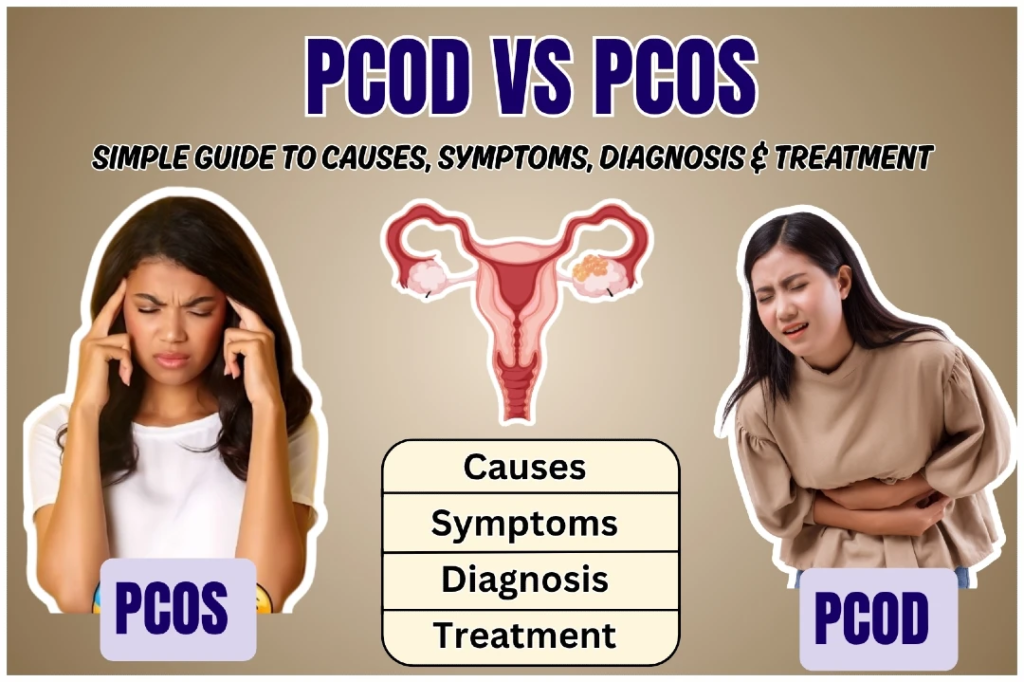
Though often used interchangeably, PCOD and PCOS represent different scales of hormonal dysfunction.
- PCOD (Polycystic Ovary Disease): Considered a less severe condition, PCOD occurs when the ovaries release immature or partially mature eggs, which eventually turn into cysts. It is often linked to lifestyle, stress, and diet. Women with PCOD can still conceive with minimal medical intervention.
- PCOS (Polycystic Ovary Syndrome): This is a metabolic disorder involving the endocrine system. In PCOS, the ovaries produce higher-than-normal levels of androgens (male hormones), which interferes with egg development and release. PCOS carries higher risks of long-term health complications like diabetes and cardiovascular issues.https://www.medanta.org/patient-education-blog/pcod-vs.-pcos—which-is-worse
3. The Root Causes: Why Does It Happen?
The exact cause of PCOS and PCOD remains a subject of intense medical research, but several primary drivers have been identified:
- Insulin Resistance: A significant percentage of women with PCOS have insulin resistance. When the body cannot use insulin effectively, it produces more of it. Excess insulin triggers the ovaries to produce more androgens, leading to acne and hair growth.
- Hormonal Imbalance: High levels of Luteinizing Hormone (LH) or low levels of Sex Hormone-Binding Globulin (SHBG) can disrupt the delicate balance of the reproductive system.
- Genetics: There is a strong hereditary component. If your mother or sister has PCOS, your risk is significantly higher.
- Inflammation: Chronic low-grade inflammation in the body has been linked to stimulated androgen production.
- Lifestyle Factors: High-stress environments and diets rich in refined sugars can exacerbate the metabolic symptoms of both PCOD and PCOS.
https://www.ncbi.nlm.nih.gov/books/NBK459251/
4. Recognizing the Symptoms
Symptoms often develop around the time of the first menstrual period, but they can also develop later in response to substantial weight gain.
Aesthetic Symptoms (The Grazia Focus):
- Hirsutism: Excess hair growth on the face, chin, chest, and abdomen.
- Hormonal Acne: Severe, often painful cystic acne concentrated along the jawline and neck.
- Acanthosis Nigricans: Darkened, velvety patches of skin in body folds (neck, armpits, groin), often a sign of insulin resistance.
- Androgenetic Alopecia: Thinning of hair at the crown or a widening part.
- Skin Tags: Small, flesh-colored growths on the skin.
Systemic Symptoms:
- Irregular or absent periods.
- Difficulty conceiving (Infertility).
- Unexplained weight gain or difficulty losing weight.
- Mood swings and anxiety.
5. Clinical Treatment Protocols at Grazia Skin Clinic
At Grazia Skin Clinic, we bridge the gap between internal health and external beauty. Our treatments are designed to manage the dermatological fallout of PCOS/PCOD.
A. Laser Hair Reduction (LHR) for Hirsutism
Traditional waxing or shaving can irritate hormonal skin. We use medical-grade Triple Wavelength or Diode Laser technology to target hair follicles stimulated by androgens.
- The Benefit: Reduces hair density and thickness permanently over 6–8 sessions.
B. Advanced Acne Management
Hormonal acne is resistant to over-the-counter creams. We utilize:
- Chemical Peels (Salicylic & Mandelic): To deep-clean pores and reduce inflammation.
- Carbon Laser Peels: To control oil production (sebum) and minimize pores.
- Medical Grade Facials: Such as Hydra-Facials to maintain skin hydration while treating congestion.
C. Scalp & Hair Restoration
To combat PCOS-related hair thinning, we offer:
- PRP (Platelet-Rich Plasma) Therapy: Using the patient’s own growth factors to stimulate dormant hair follicles.
- Mesotherapy: Injecting a cocktail of vitamins and DHT blockers into the scalp to improve hair density.
D. Skin Brightening for Acanthosis Nigricans
We treat darkened skin patches using Q-Switched Lasers and specialized lightening peels to restore an even skin tone.
6. Aftercare and Lifestyle Integration
Medical treatment is only half the battle. Long-term management requires a “Desi-Modern” lifestyle approach:
- The PCOS Diet: Focus on low-glycemic index (GI) foods. Swap refined flour for millets and whole grains to manage insulin spikes.
- Hydration: Drink 3 liters of water to help the skin flush out toxins, especially during acne treatments.
- Physical Activity: Regular strength training helps improve insulin sensitivity, which in turn lowers androgen levels.
- Skincare Routine: Use non-comedogenic products. Since PCOS skin is often sensitive, avoid harsh physical scrubs.
- Stress Management: High cortisol levels worsen PCOS. Incorporate yoga or meditation into your daily routine.
7. Conclusion: Empowering Your Journey
PCOS and PCOD are lifelong journeys, but they do not have to define your appearance or your confidence. At Grazia Skin Clinic, we combine clinical excellence with empathetic care to provide a sanctuary for women dealing with these conditions. By treating the symptoms with advanced technology and managing the causes through expert guidance, we help you achieve the “Glow” you deserve.
Consult with our specialists today to create a personalized PCOS/PCOD aesthetic roadmap.https://graziaskinhairlaserclinic.com/