Slug: /skin-hives-urticaria-treatment-guide/
Welcome to the comprehensive guide on Urticaria, more commonly known as skin hives. At Grazia Skin Clinic, we understand that a sudden breakout of itchy, red welts is more than just a cosmetic concern—it is a disruptive, uncomfortable, and sometimes distressing medical condition.
This study description provides an in-depth analysis of hives, from the cellular level of histamine release to the advanced dermatological solutions we offer at our Lajpat Nagar clinic.
1. Introduction: Understanding Urticaria
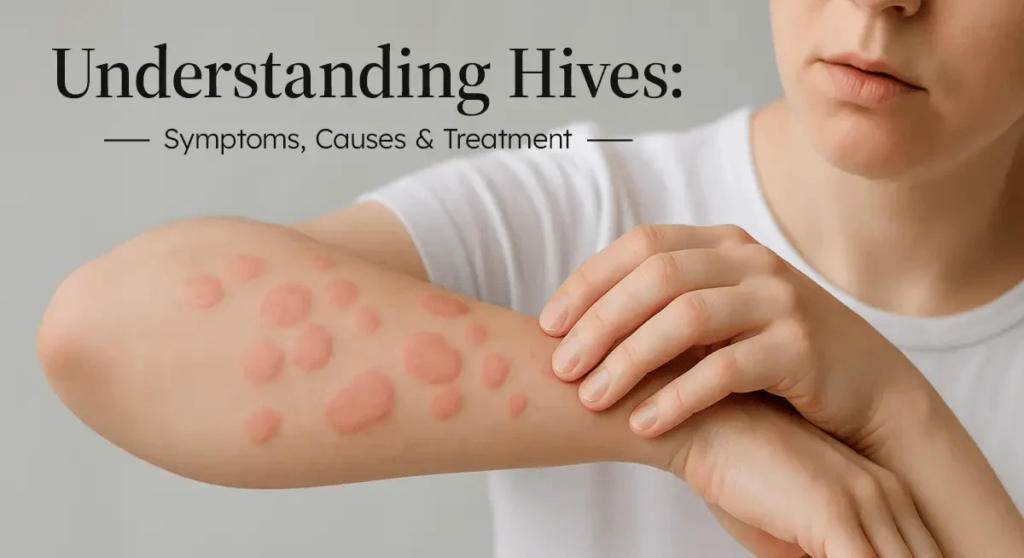
Hives (Urticaria) are raised, itchy welts that appear on the surface of the skin. They are typically red, pink, or skin-colored and can vary in size from small spots to large interconnected plaques. The hallmark of hives is their “transient” nature—individual lesions often appear and disappear within 24 hours, though new ones may continue to pop up in different locations.
At its core, hives are a manifestation of the immune system’s overreaction. When the body encounters a trigger, specialized cells called mast cells release a chemical known as histamine. This causes small blood vessels to leak fluid, leading to the localized swelling (wheals) and intense itching characteristic of the condition.
2. Common Causes and Triggers
Hives can be triggered by a staggering array of factors. At Grazia Skin Clinic, our diagnostic process involves “detective work” to help you identify which of the following may be the culprit:
- Allergic Reactions: Sensitivity to certain foods (peanuts, shellfish, eggs), medications (antibiotics, NSAIDs like ibuprofen), or insect stings.
- Environmental Factors: Exposure to pollen, pet dander, or mold.
- Infections: Viral infections (including the common cold or hepatitis) and bacterial infections (such as UTIs or strep throat) are frequent triggers, especially in children.
- Physical Stimuli: Pressure from tight clothing, extreme heat or cold, sunlight (solar urticaria), or even sweat (cholinergic urticaria).
- Stress: While stress rarely causes hives on its own, it is a significant factor in exacerbating existing symptoms and prolonging flare-ups.
3. Symptoms and Clinical Signs
Identifying hives is usually straightforward, but their severity can fluctuate. Look for the following signs:
- Wheals: Raised, red, or skin-colored bumps with clearly defined edges.
- Blanching: When you press the center of a red hive, it turns white.
- Itching (Pruritus): This is often the most distressing symptom and can range from mild to incapacitating.
- Angioedema: In some cases, swelling occurs deeper under the skin, often around the eyes, lips, or throat. Note: If you experience difficulty breathing or swelling of the tongue, seek emergency medical care immediately.
4. Types of Hives
Dermatologists categorize hives primarily by their duration:
Acute Urticaria
Lasts for less than six weeks. This is the most common form and is usually a one-time reaction to a specific trigger like a food or a viral infection.
Chronic Urticaria
Lasts for more than six weeks and may recur for months or years. Chronic hives are often “spontaneous,” meaning an exact external trigger cannot be found. These cases often require specialized care at Grazia Skin Clinic to manage the underlying immune response.
Physical Urticaria
Hives that are specifically “induced” by physical contact or temperature changes, such as scratching the skin (dermatographism) or exposure to ice.
5. Treatments at Grazia Skin Clinic
We pride ourselves on offering a tiered approach to treatment, moving from symptom relief to long-term management.
- Antihistamine Therapy: The first line of defense. We prescribe non-drowsy, second-generation antihistamines (like Cetirizine or Fexofenadine) to block the effects of histamine.
- Advanced Biologicals: For patients with chronic, resistant hives, we offer Omalizumab (Xolair). This injectable treatment targets the IgE antibodies responsible for the allergic cascade.
- Topical Soothing Agents: Prescription-strength calamine or menthol-based lotions to provide immediate cooling relief to the skin surface.
- Short-term Corticosteroids: Used only in severe acute cases to rapidly reduce inflammation and swelling.
- Phototherapy: In specific chronic cases, controlled exposure to Narrowband UVB light can help stabilize the skin’s immune response.
6. Aftercare and Prevention
The journey doesn’t end when the itching stops. Proper aftercare ensures the skin barrier remains healthy and prevents recurrence.
- Identify and Avoid: Keep a “hives diary” to track food, activities, and emotional states during flare-ups.
- Skin Cooling: Use cool compresses or take lukewarm (not hot) showers to prevent vasodilation.
- Gentle Products: Switch to fragrance-free, hypoallergenic soaps and detergents.
- Comfortable Clothing: Wear loose-fitting cotton garments to minimize friction and pressure.
- Moisturization: Use ceramide-rich moisturizers to keep the skin barrier intact, as dry skin can worsen itching sensations.