
Introduction: The Blue Warning Signal
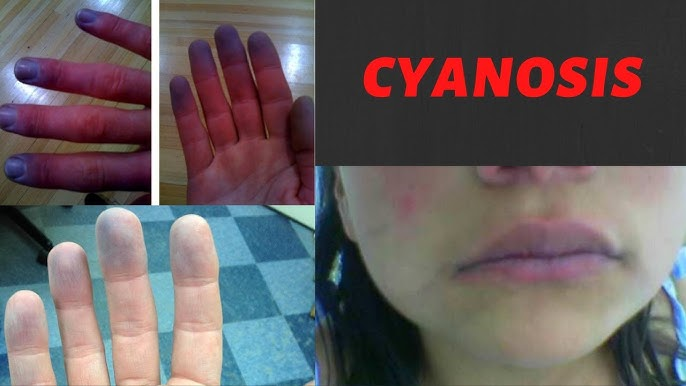
In the clinical world, the skin acts as a primary diagnostic window into the body’s internal health. Cyanosis is one of the most striking visual indicators a clinician can encounter. Derived from the Greek word kyanos (meaning dark blue), it refers to a bluish or purplish discoloration of the skin and mucous membranes.
This discoloration occurs when the concentration of deoxygenated hemoglobin in the capillaries exceeds $5$ g/dL. While Grazia Skin Clinics typically focuses on aesthetic rejuvenation, understanding the vascular and systemic health underlying skin tone is vital. Cyanosis is not a disease in itself but a critical clinical sign that the blood is not carrying enough oxygen or that blood flow to a specific area is severely restricted.
Symptoms: Recognizing the Tint
Cyanosis is often subtle in its early stages but becomes more pronounced as oxygen saturation drops below 85%.
- Discoloration: A distinct blue, purple, or slate-gray tint to the lips, tongue, gums, fingernails, and earlobes.
- Temperature Changes: Affected areas, particularly in peripheral cases, often feel cold to the touch.
- Respiratory Distress: Often accompanied by shortness of breath (dyspnea), rapid breathing, or gasping.
- Clubbing: In chronic cases, the fingertips may bulge and the nails may curve (clubbing), indicating long-term oxygen deprivation.
- Neurological Signs: If systemic, patients may experience dizziness, confusion, or extreme fatigue.
Types of Cyanosis
Distinguishing between the types of cyanosis is the first step in emergency triage and long-term treatment.
| Type | Target Areas | Primary Causes |
| Central Cyanosis | Tongue, lips, and core mucous membranes. | Heart disease, lung failure, or abnormal hemoglobin. |
| Peripheral Cyanosis | Fingers, toes, and extremities. | Cold exposure, heart failure, or arterial blockages. |
| Differential Cyanosis | Lower body is blue; upper body is pink. | Complex congenital heart defects (e.g., Patent Ductus Arteriosus). |
| Pseudocyanosis | Skin surface only (not mucous membranes). | Exposure to metals (silver/gold) or certain medications. |
Treatment: Restoring the Oxygen Flow
The treatment of cyanosis is entirely dependent on correcting the underlying cause. It is a multi-disciplinary effort involving pulmonologists, cardiologists, and vascular specialists.
1. Immediate Oxygen Therapy
The first line of defense is usually the administration of supplemental oxygen via nasal cannula or mask to raise blood oxygen saturation ($SpO_2$) back to the $94-98\%$ range.
2. Warming and Vasodilation
For peripheral cyanosis caused by cold (Raynaud’s Phenomenon) or poor circulation:
- Gentle Rewarming: Restoring blood flow to extremities.
- Calcium Channel Blockers: Medications that help relax and open small blood vessels in the hands and feet.
3. Surgical Interventions
If the blue tint is caused by congenital heart defects or an arterial embolism (blood clot), surgery may be required to repair heart valves, close “holes” in the heart, or remove the blockage to restore systemic circulation.
4. Medication Management
- Diuretics: Used if heart failure is causing fluid buildup in the lungs.
- Antibiotics: If the cause is a severe pulmonary infection like pneumonia.
Aftercare: Monitoring and Prevention
Recovery from a cyanotic event requires vigilant monitoring to prevent recurrence and permanent tissue damage.
- Pulse Oximetry: Patients are often advised to use a portable pulse oximeter at home to monitor oxygen levels.
- Smoking Cessation: Essential for any patient with respiratory-linked cyanosis to improve lung capacity.
- Environmental Adjustments: For peripheral cases, avoiding extreme cold and wearing insulated clothing is vital.
- Follow-up Imaging: Regular Echo-cardiograms or Chest X-rays to ensure the heart and lungs are functioning optimally.
Conclusion
Cyanosis serves as a powerful reminder of the skin’s role as a sentinel for systemic health. Whether it is a temporary response to freezing temperatures or a sign of a deep-seated cardiac issue, it demands immediate clinical attention. At Grazia Skin Clinic, we emphasize that healthy-looking skin is fundamentally supported by a healthy cardiovascular system. Recognizing the “blue warning” can be the difference between a simple recovery and a life-threatening crisis.https://en.wikipedia.org/wiki/Cyanosis