
Introduction: The Science of the “Sweat Trap”
As temperatures soar, the body’s primary cooling mechanism—perspiration—can sometimes backfire. Miliaria, commonly known as heat rash or “prickly heat,” is a skin condition caused by the blockage of the eccrine sweat ducts. When sweat cannot reach the surface of the skin to evaporate, it becomes trapped in the various layers of the epidermis or dermis, leading to inflammation, redness, and the characteristic “prickly” sensation.
At Grazia Skin Clinics, we frequently see a surge in Miliaria cases during the humid summer months in New Delhi. While often considered a minor annoyance, severe or chronic Miliaria can compromise the skin’s barrier and lead to secondary bacterial infections. Understanding how to manage this “sweat trap” is essential for maintaining skin comfort and health in tropical climates.
Symptoms: Identifying the Heat Rash
Miliaria presents differently depending on the depth of the duct blockage, but common indicators include:
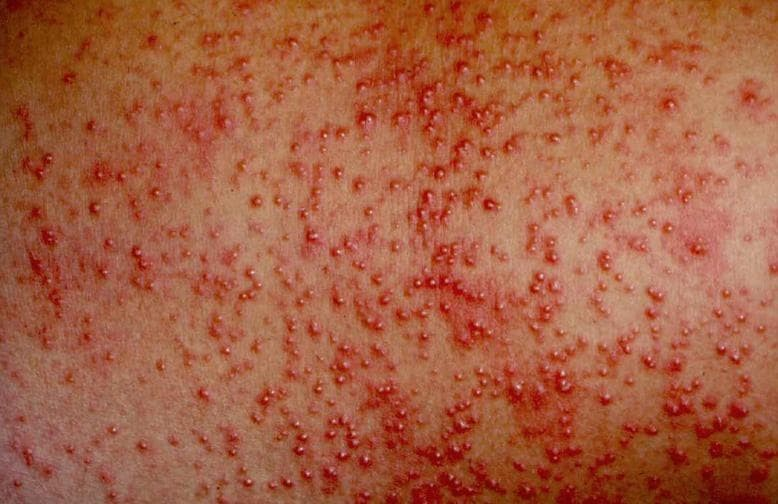
- Small, Clustered Vesicles: Tiny, clear, or red bumps that often appear in areas where skin touches skin or where clothing fits tightly.
- The “Prickly” Sensation: An intense, stinging itch that worsens with heat or physical activity.
- Localized Redness (Erythema): The affected area often appears “angry” and inflamed.
- Lack of Sweating (Anhidrosis): In severe cases, the affected patch of skin may stop sweating entirely because the ducts are fully plugged.
- Pustules: If the trapped sweat becomes infected, the bumps may fill with white or yellow fluid.
Types of Miliaria
The clinical classification of Miliaria is based on exactly where the blockage occurs within the skin’s architecture.
| Type | Blockage Level | Visual Appearance |
| Miliaria Crystallina | Stratum Corneum (Surface) | Tiny, clear, water-drop-like blisters; usually no itch. |
| Miliaria Rubra | Mid-Epidermis (Deeper) | The classic “Prickly Heat.” Red, itchy, and inflamed bumps. |
| Miliaria Pustulosa | Epidermis (Infected) | Red bumps that have turned into small, pus-filled blisters. |
| Miliaria Profunda | Dermal-Epidermal Junction | Flesh-colored, firm bumps; usually occurs after repeated bouts of Rubra. |
Treatment: Extinguishing the Fire
The primary goal of Miliaria treatment is to cool the skin and unblock the pores.
1. Environmental Cooling
The most effective “cure” is a cool environment. Spending time in air-conditioned spaces allows the sweat ducts to “rest” and the trapped fluid to be reabsorbed.
2. Topical Soothing Agents
- Calamine Lotion: Provides an immediate cooling effect and reduces itching.
- Anhydrous Lanolin: Can help prevent duct blockage in some individuals.
- Mild Topical Steroids: In cases of intense inflammation (Miliaria Rubra), a dermatologist may prescribe a low-potency hydrocortisone cream to reduce swelling.
3. Professional Exfoliation
At Grazia Skin Clinics, we may recommend gentle chemical exfoliation using mild Salicylic Acid or Gluconolactone to clear the dead skin cells that are physically plugging the sweat ducts.
4. Antibacterial Measures
If the rash has progressed to Miliaria Pustulosa, topical antibiotics (like Clindamycin or Mupirocin) may be necessary to clear the secondary staphylococcal infection.
What to wear
Wearing nothing may make a person feel cooler, but sweat can still accumulate in skin folds. Light, breathable garments made of cotton can help prevent contact between skin folds. Wearing shorts and tops with short sleeves may be helpful. Garments made of polyester or nylon should be avoided.
Aftercare: Staying Cool and Clear
Preventing a recurrence is the hallmark of effective summer skincare.
- Wear Breathable Fabrics: Opt for loose-fitting cotton or moisture-wicking “dry-fit” fabrics. Avoid synthetics like polyester which trap heat.
- Cool Showers: Use lukewarm or cool water after sweating to rinse away salts and oils that contribute to duct clogging.
- Avoid Heavy Creams: During peak summer, switch from oil-based moisturizers to lightweight, water-based gels.
- Hydration: Drink plenty of water to ensure your sweat is less concentrated and more easily evaporated.
Conclusion
Miliaria is a clear signal from your body that it is struggling to regulate its temperature. While the itching and bumps can be distressing, the condition is highly treatable through environmental control and proper clinical topical care. At Grazia Skin Clinics, we focus on restoring your skin’s ability to breathe, ensuring you can enjoy the summer months without the discomfort of prickly heat. Respect your skin’s need for a “cool down,” and it will remain resilient and clear.