
Introduction: The Surface Invader
Impetigo is a highly contagious bacterial skin infection that primarily affects the superficial layers of the epidermis. While it is commonly associated with pediatric patients, it frequently occurs in adults, especially those living in warm, humid climates like New Delhi. The infection is primarily driven by Staphylococcus aureus or Streptococcus pyogenes bacteria, which exploit minor breaks in the skin—such as cuts, insect bites, or eczema patches—to colonize and spread.
At Grazia Skin Clinic, we approach Impetigo with clinical urgency. Because the bacteria can spread rapidly through direct contact or shared items, early diagnosis and targeted antibiotic intervention are essential. Understanding the “honey-colored” hallmark of this infection is the first step toward preventing a localized breakout from becoming a systemic health concern.
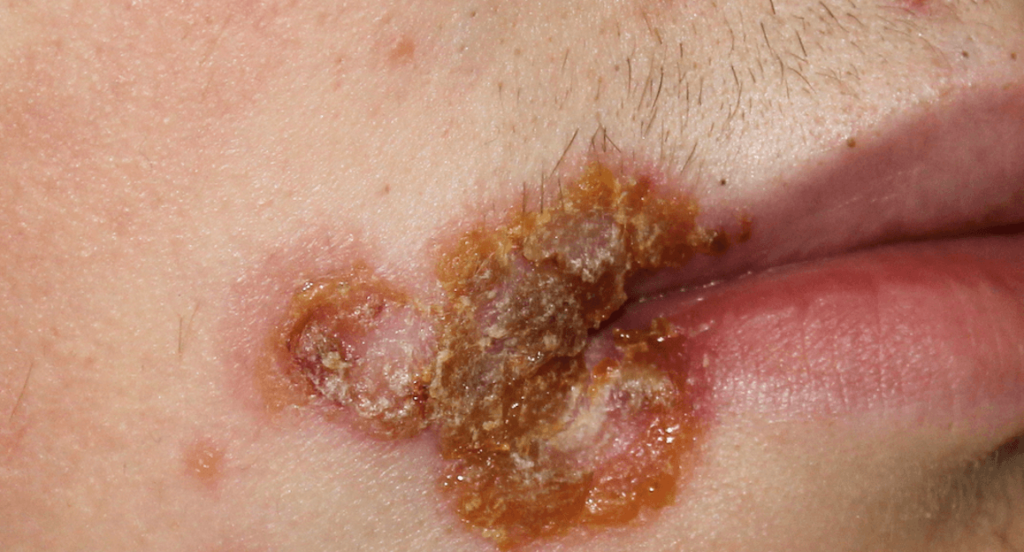
Symptoms: Recognizing the “Honey-Crust”
Impetigo is distinctive in its presentation, often appearing around the nose, mouth, and extremities. Specifically, patients should look for the following clinical signals:
- Red Sores: The infection typically begins as small, itchy red spots that quickly evolve into tiny blisters.
- The Signature Crust: Once the blisters rupture, they ooze a straw-colored fluid that dries into a thick, “honey-colored” crust. Consequently, this is the most definitive diagnostic feature of the infection.
- Painless but Itchy: While the sores are generally not painful, they can be intensely itchy; moreover, scratching them is the primary way the bacteria spreads to other parts of the body.
- Lymphadenopathy: In more severe cases, you may notice swollen lymph nodes near the site of the infection as the immune system attempts to fight the bacterial load.
Types of Impetigo: Non-Bullous vs. Bullous
Clinical treatment is dictated by the specific strain and presentation of the bacteria.
| Type | Clinical Characteristics | Primary Demographic |
| Non-Bullous Impetigo | Small sores that form the classic honey-colored crust. | Most common form (70% of cases). |
| Bullous Impetigo | Larger, painless, fluid-filled blisters (bullae) that stay intact longer. | More common in infants and newborns. |
| Ecthyma | A deeper, “punched-out” ulcerated form that penetrates into the dermis. | Most severe; can lead to scarring. |
Treatment: The Antibiotic Protocol
At Grazia Skin Clinics, our goal is to eliminate the bacteria while preventing the spread of infection to others.
1. Topical Bactericidals
For localized, mild cases of Non-Bullous Impetigo, we utilize prescription-strength topical antibiotics. Specifically, medications like Mupirocin or Retapamulin are applied directly to the sores. By doing so, we deliver a concentrated dose of medication exactly where the bacterial load is highest.
2. Systemic Oral Antibiotics
If the infection is widespread, involves the deeper layers (Ecthyma), or is a Bullous type, oral antibiotics are necessary. Therefore, we may prescribe a course of Amoxicillin/Clavulanate or Cephalexin. Consequently, this ensures the bacteria is cleared from the bloodstream and prevents complications like cellulitis.
3. Crust Debridement
To allow topical medications to work, the “honey crust” must be gently removed. To achieve this, we recommend soaking the area in warm water or a diluted antiseptic solution to soften the debris before applying the antibiotic ointment.
Aftercare: Breaking the Chain of Contagion
Because Impetigo is highly infectious, aftercare is focused on hygiene and containment.
- The 24-Hour Rule: Patients are generally considered contagious until the sores have healed or until they have been on antibiotics for at least 24 hours. Consequently, you should avoid school, work, or public gyms during this window.
- Dedicated Hygiene: Use a separate towel and washcloth for the infected area. Furthermore, these items should be laundered in hot water after every single use to kill lingering bacteria.
- Nail Hygiene: Keep fingernails trimmed short. Specifically, this prevents bacteria from hiding under the nails and reduces skin damage caused by scratching.
- Wound Protection: Keep the sores covered with loose gauze or a bandage. In doing so, you create a physical barrier that prevents the bacteria from spreading to surfaces or other people.
Conclusion: Rapid Recovery through Clinical Care
While Impetigo can look alarming, it responds remarkably well to the correct antibiotic protocol. At Grazia Skin Clinics, we emphasize that quick intervention not only heals your skin but also protects your family and community. By following a disciplined treatment plan and maintaining strict hygiene, you can clear the “golden crust” and restore your skin’s natural health in a matter of days. Don’t wait for the infection to spread—professional care is the most effective way to stop the cycle.
https://www.ncbi.nlm.nih.gov/books/NBK430974/