
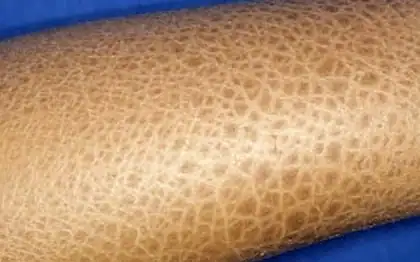
what are skin scales?
The human skin is in a constant state of renewal, a process known as desquamation. In a healthy cycle, skin cells are produced in the deeper layers and move to the surface over approximately 28 days, where they shed invisibly. However, Skin Scales—scientifically termed squamae—occur when this cycle is disrupted. Whether the skin is producing cells too fast or failing to shed them properly, the result is a visible accumulation of dry, flaky, or plate-like debris.
At Grazia Skin Clinics, we recognize that skin scales are more than a cosmetic nuisance; they are a clinical manifestation of an underlying barrier dysfunction. Scaling is the skin’s way of signaling that its protective “bricks and mortar” system has collapsed. To treat it effectively, we must look beneath the flakes to identify the inflammatory, genetic, or environmental triggers causing this cellular traffic jam.https://graziaskinhairlaserclinic.com/best-skin-hair-clinic/
Symptoms: Reading the Texture of the Skin
Skin scales rarely appear in isolation. They are typically accompanied by a cluster of symptoms that help clinicians differentiate between various dermatological conditions.
- Visible Flaking: The most obvious sign is the presence of white, silvery, or yellowish flakes that detach from the skin surface.
- Persistent Erythema (Redness): Scaling is often preceded or accompanied by inflammation. Specifically, the skin underneath the scales may appear raw, pink, or deep red.
- Pruritus and Irritation: Scales are frequently associated with intense itching. In fact, the buildup of dead cells can trap heat and bacteria, leading to further irritation.
- Fissuring: When the scaling becomes severe, the skin loses its elasticity; consequently, deep, painful cracks or “fissures” may develop, especially on the hands, feet, and joints.
- The “Auspitz Sign”: In specific cases like psoriasis, removing a scale may result in pinpoint bleeding, a classic clinical indicator of hyper-vascularity beneath the plaque.
Types of Skin Scales: Identifying the Root Cause
To provide targeted treatment at Grazia Skin Clinics, we categorize scaling based on its clinical presentation and the depth of the cellular disruption.
| Type | Clinical Appearance | Common Association |
| Silvery/Micaceous | Thin, shimmering, plate-like scales. | Psoriasis |
| Greasy/Yellow | Oily, yellowish flakes on a red base. | Seborrheic Dermatitis |
| Fine/Pityriasiform | Small, bran-like, powdery white dust. | Pityriasis Rosea / Dryness |
| Fish-Scale (Ichthyosis) | Large, dark, polygonal scales. | Genetic Ichthyosis |
| Crust-Like | Thick, dried exudate mixed with scales. | Infected Eczema (Impetiginized) |
Treatment: The Clinical Restoration Strategy
At Grazia Skin Clinics, we utilize a multi-phased approach to dissolve existing scales while regulating the underlying cell production.
1. Keratolytic Therapy (Dissolving the Build-up)
The first step in treatment is to remove the “barrier” of dead cells so that active medications can reach the living tissue. To achieve this, we use Keratolytics:
- Salicylic Acid: This beta-hydroxy acid dissolves the “intercellular glue” that holds scales together.
- Urea: At high concentrations, Urea acts as a potent softener, hydrating the keratin and making scales easy to wash away.
2. Anti-Inflammatory Modulation
Once the scales are thinned, we address the underlying inflammation. Specifically, we utilize topical corticosteroids or calcineurin inhibitors. By doing so, we slow down the rapid overproduction of skin cells and reduce the associated redness and itching.
3. Phototherapy (NBUVB)
For widespread scaling, such as in chronic psoriasis, we utilize Narrowband Ultraviolet B (NBUVB) light. Consequently, the light energy penetrates the skin to suppress the overactive immune cells that trigger the scaling process, leading to long-term remission.
4. Targeted Biologicals
In severe, systemic cases, we look beyond the surface. Therefore, we may prescribe biological injections that target specific proteins in the immune system, effectively “turning off” the scaling signal at its source.
Aftercare: Strengthening the Barrier
Healing skin scales is a marathon, not a sprint. Proper aftercare is essential to ensure the skin remains supple and the “bricks and mortar” barrier remains intact.
- The “Soak and Smear” Technique: For maximum hydration, apply high-quality emollients within three minutes of bathing. This ensures that moisture is trapped within the skin layers before it can evaporate.
- Avoid Harsh Surfactants: Standard soaps can strip the skin of its natural lipids; instead, use soap-free cleansers that maintain a pH of $5.5$.
- Humidity Control: Dry air is a major trigger for scaling. Therefore, using a humidifier in your bedroom—especially during the winter months—can prevent the skin from becoming brittle.
- Fabric Sensitivity: Opt for soft, breathable cotton clothing. In particular, avoid wool or synthetic fibers that can mechanically irritate the skin and trigger “Koebnerization” (the formation of new scales due to trauma).
Special Focus: Scalp Scaling – Distinguishing Dandruff from Scalp Psoriasis
Because the scalp is a high-sebaceous (oily) environment, scaling in this area requires a distinct diagnostic approach. At Grazia Skin Clinics, we often see patients who mistake chronic Scalp Psoriasis for simple Dandruff; however, the clinical treatments for these two conditions are vastly different.
1. Seborrheic Dermatitis (Common Dandruff)
Dandruff is primarily caused by an overgrowth of Malassezia, a yeast-like fungus that feeds on scalp oils. Specifically, when this fungus flourishes, it causes the skin to shed prematurely.
- The Appearance: You will notice oily, yellowish, or translucent flakes that often feel “greasy” to the touch.
- The Sensation: It is usually accompanied by a mild to moderate itch that fluctuates with stress or weather changes.
- The Treatment: As a result, we typically prescribe antifungal shampoos containing Ketoconazole or Zinc Pyrithione to neutralize the fungal population.
2. Scalp Psoriasis
In contrast, Scalp Psoriasis is an autoimmune condition where the skin cells grow at an accelerated rate. Consequently, the body cannot shed them fast enough, leading to thick, stacked plaques.
- The Appearance: These scales are characteristically “micaceous” (silvery-white) and very dry. Furthermore, they often extend beyond the hairline onto the forehead or behind the ears.
- The Sensation: The itching is often more intense and “burning” in nature; moreover, the scales are firmly attached to the scalp.
- The Treatment: Therefore, treatment requires more aggressive “scale-lifters” like Coal Tar or Clobetasol propionate to reduce the underlying autoimmune inflammation.
Clinical Comparison Table
| Feature | Seborrheic Dermatitis (Dandruff) | Scalp Psoriasis |
| Scale Color | Yellowish / Greasy | Silvery / Shimmering |
| Scale Thickness | Thin and loose | Thick and “stacked” |
| Hairline | Stays within the scalp | Often creeps onto the forehead |
| Primary Cause | Fungal (Yeast) overgrowth | Autoimmune (Rapid cell turnover) |
| Bleeding | Rare | Common if scales are picked (Auspitz sign) |
Clinical Advice: The “No-Pick” Rule
Regardless of the cause, we strongly advise patients against mechanically picking at scalp scales. By doing so, you risk causing “Koebnerization”—a phenomenon where skin trauma actually triggers the production of more scales. Instead, use a prescribed keratolytic oil to gently soften the plaques before washing, ensuring a trauma-free removal process.
Conclusion: Reclaiming Smoothness
Skin scales are a visible reminder of our body’s internal complexity and its struggle to maintain balance. Whether the cause is genetic, environmental, or autoimmune, the path to clear skin requires a disciplined, clinical approach. At Grazia Skin Clinics, our goal is to move beyond temporary “flaking” relief and provide a comprehensive strategy that restores the skin’s natural rhythm. By combining advanced keratolytics with professional anti-inflammatory care, we help you shed the burden of scaling and reveal the healthy, vibrant skin beneath.
Reference:-
https://www.healthline.com/health/scaling-skin#causes-and-pictures