
Introduction: The Break in the Barrier
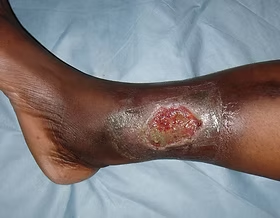
In clinical dermatology, a skin ulcer represents a significant breach in the epithelial integrity. Unlike a superficial wound or a simple scratch, an ulcer is a deep loss of the epidermis and at least a portion of the dermis, often characterized by a crater-like appearance and a slow, complicated healing process.
At Grazia Skin Clinics, we recognize that an ulcer is rarely just a surface issue; it is a manifestation of underlying systemic dysfunction—whether vascular, metabolic, or neurological. Managing an ulcer requires more than a bandage; it requires a deep understanding of the “Wound Bed Preparation” (WBP) framework and the physiological factors that prevent the skin from regenerating. This study explores the complexities of chronic ulcers and the medical-grade protocols required to restore healthy tissue.
Symptoms: Recognizing the Chronic Wound
Skin ulcers are distinct from acute wounds because they often fail to progress through the normal stages of healing (hemostasis, inflammation, proliferation, and remodeling).
- Loss of Tissue: A visible crater or “hole” in the skin, which may show underlying layers of fat, muscle, or even bone in severe cases.
- Exudate (Drainage): The presence of fluid—which can be clear (serous), bloody (sanguineous), or pus-like (purulent).
- Persistent Inflammation: Redness, warmth, and swelling around the edges of the wound that do not subside over time.
- Odor: A distinct, often foul smell, which typically indicates bacterial colonization or necrotic (dead) tissue.
- Pain or Lack Thereof: Depending on the type, the ulcer may be extremely painful or, in the case of diabetic ulcers, completely numb due to nerve damage.
- Discolored Borders: Edges that are rolled, thickened, or pale, signaling that the skin cells (keratinocytes) are unable to migrate and close the gap.
Types of Skin Ulcers: Identifying the Root Cause
Treatment strategies are dictated by the etiology of the ulcer. Misidentifying a wound can lead to ineffective—or even harmful—treatment.
| Type | Primary Cause | Typical Location |
| Venous Ulcers | Poor blood return (Venous Insufficiency) | Lower legs, usually above the ankle. |
| Arterial Ulcers | Blocked arteries (Ischemia) | Toes, heels, and bony prominences of the feet. |
| Diabetic (Neuropathic) | Nerve damage + Pressure | Soles of the feet and pressure points. |
| Pressure Ulcers | Sustained pressure (Decubitus) | Tailbone, hips, and heels (common in bedridden patients). |
Treatment: The Multidisciplinary Healing Protocol
At Grazia Skin Clinics, we employ the TIME acronym to manage ulcers: Tissue Debridement, Infection Control, Moisture Balance, and Edge Advancement.
1. Debridement (Tissue Management)
Healthy tissue cannot grow over dead tissue. We use medical-grade debridement to remove “slough” (yellowish film) and “eschar” (black, leathery tissue).
- Autolytic Debridement: Using the body’s own enzymes under specialized dressings.
- Mechanical/Surgical: Physical removal of dead tissue to “jumpstart” the healing process.
2. Infection and Biofilm Control
Chronic ulcers often develop a biofilm—a protective layer of bacteria that resists standard cleaning. We utilize:
- Topical Antimicrobials: Silver-impregnated or iodine dressings.
- Systemic Antibiotics: If the infection has spread to the surrounding skin (cellulitis).
3. Advanced Wound Dressings (Moisture Balance)
A wound that is too dry will crack; a wound that is too wet will macerate (turn soggy).
- Alginates: Highly absorbent dressings for heavily draining wounds.
- Hydrocolloids/Hydrogels: To donate moisture to dry, necrotic wounds.
- Negative Pressure Wound Therapy (NPWT): Using a vacuum-assisted device to pull out fluid and increase blood flow to the area.
4. Vascular and Metabolic Support
- Compression Therapy: Essential for venous ulcers to push blood back to the heart.
- Glycemic Control: For diabetic patients, maintaining stable blood sugar is the single most important factor in wound closure.
Aftercare: Guarding the New Tissue
Once an ulcer closes, the new skin is fragile and lacks the full tensile strength of original tissue.
- Skin Barrier Protection: Use high-quality emollients to keep the “new” skin hydrated and prevent cracking.
- Offloading: For foot ulcers, specialized footwear or “offloading boots” must be worn to prevent the pressure from returning.
- Compression Maintenance: Patients with venous issues must continue wearing compression stockings for life to prevent recurrence.
- Nutritional Fortification: A diet high in Vitamin C, Zinc, and Protein is necessary to provide the “building blocks” for collagen synthesis.
Conclusion
A skin ulcer is a complex biological puzzle. It demands patience, precision, and a clinical approach that looks beyond the surface. At Grazia Skin Clinics, our mission is to close the gap between injury and recovery. By combining advanced wound-care technology with a focus on underlying health, we don’t just treat the ulcer—we restore the skin’s ability to defend and renew itself.
REFERENCES:-
https://my.clevelandclinic.org/health/diseases/22314-stomach-ulcer
https://emedicine.medscape.com/article/181753-overview
https://en.wikipedia.org/wiki/Ulcer
https://www.mayoclinic.org/diseases-conditions/peptic-ulcer/symptoms-causes/syc-20354223