
fissures: Understanding the Silent Struggle
While Grazia Skin Clinics is widely recognized for its expertise in dermatology and aesthetic medicine, our commitment to tissue integrity and skin health extends to the delicate mucous membranes and perianal skin. A fissures are the small, linear tear or ulcer in the lining of the lower rectum (anal canal).
Though it may seem like a minor anatomical disruption, the physiological impact is profound. The tear exposes the underlying internal anal sphincter muscle, causing it to spasm. This spasm not only triggers intense pain but also restricts blood flow to the site, creating a vicious cycle that prevents the wound from healing. Understanding that a fissure is a medical condition—not a source of shame—is the first step toward effective clinical intervention.
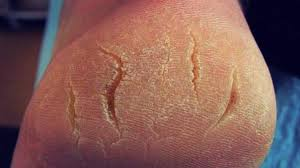
What is a skin fissure?
Skin fissures are cracked areas of skin. They can occur anywhere on the body but most commonly occur:
- on the fingertips
- between the toes or fingers
- on the heels of the feet
- on other areas prone to dryness
The visible signs of skin fissures include:
- breaks in the skin that look similar to cuts or cracks
- thickened or calloused skin around the fissure
- dry skin in the surrounding area
- bleeding
Environmental Causes
Environmental causes of skin fissures include:3
- Weather. Living in a cold, dry climate can dry out your skin and raise your risk of skin fissures. You may also notice that your skin feels drier in the winter months.
- Overuse. Any area of skin that is continually used or washed is at a higher risk of getting too dry. For example, walking barefoot increases the stress on your feet and puts you at a higher risk of developing heel fissures.
- Water exposure. Frequent contact with water, like regular handwashing, can dry out the skin and elevate the risk of eczema and cracking. A 2020 study found that 70% of healthcare workers reported dry hands, and 39% had skin fissures.4
- Nutritional deficiencies. Vitamin deficiencies can lead to dry, itchy skin that does not heal as quickly as healthy skin.5
Medical Causes
Medical causes of skin fissures include:
- Fungal infections. Fungal infections can also lead to skin fissures. A common example is athlete’s foot (tinea pedis), a fungal infection that starts between the toes. It can spread and cause the affected skin to crack and fissure.6
- Diabetes. People with diabetes are at higher risk of developing skin fissures because they are more likely to have dry skin.7 If you have been diagnosed with nerve damage in your feet caused by diabetes, then you might be more likely to have skin dryness and heel cracks that could lead to fissures.
- Psoriasis. Psoriasis is an autoimmune skin condition that leads to thick plaques of dead skin cells. The plaques are very dry and can lead to cracking and fissures.8
- Eczema. Eczema causes itchy, dry patches of skin that can get inflamed. These dry patches are at risk of cracking and developing fissures.
Symptoms: Recognizing the Distress Signals
Because of the sensitive nature of the area, symptoms are often vivid and difficult to ignore. Early recognition is key to preventing a chronic condition.
- Sharp, Searing Pain: Often described as “passing broken glass,” the pain is most intense during bowel movements and can linger for several hours afterward.
- Bright Red Bleeding: Noticing small amounts of bright red blood on the toilet tissue or the surface of the stool.
- Visible Tear: A distinct crack or slit in the skin around the anus, often located in the midline (front or back).
- Skin Tags: In chronic cases, a small lump or “sentinel pile” of skin may develop near the tear due to long-term inflammation.
- Persistent Itching: Irritation and pruritus (itching) in the perianal area caused by the wound’s discharge.
Types of Fissures
Clinicians categorize fissures based on their duration and the underlying cause to determine the aggressiveness of the treatment required.
| Type | Duration | Characteristics |
| Acute Fissure | < 6 Weeks | Looks like a fresh paper cut; usually heals with conservative home care. |
| Chronic Fissure | > 6 Weeks | Deeper tear, often showing underlying muscle fibers; presence of skin tags. |
| Primary Fissure | N/A | Caused by local trauma (constipation, diarrhea, or childbirth). |
| Secondary Fissure | N/A | Linked to systemic issues like Crohn’s disease, IBD, or infections. |
Treatment: A Progressive Clinical Approach
The goal of treatment is twofold: to soften the stool and to relax the anal sphincter muscle to allow blood flow back into the tissue.
1. Conservative Management (The First Line)
For 80% of acute cases, non-invasive methods are successful:
- Fiber Therapy: Increasing intake to 25-35 grams daily to ensure soft, bulky stools that don’t stretch the tear.
- Sitz Baths: Soaking the area in warm water for 10-15 minutes several times a day. This relaxes the muscle and increases blood flow.
- Topical Vasodilators: Clinical application of Nitroglycerin (0.2%) or Calcium Channel Blockers (Diltiazem/Nifedipine) ointments. These chemically relax the sphincter.
2. Advanced Clinical Interventions
When topicals fail, medical procedures are utilized:
- Botox Injections: Small doses of Botulinum Toxin are injected into the sphincter. This “paralyzes” the muscle for 2-3 months, breaking the spasm cycle and allowing the fissure to heal naturally.
- Lateral Internal Sphincterotomy (LIS): A gold-standard surgical procedure where a small portion of the sphincter muscle is cut to permanently reduce tension.
Aftercare: Ensuring Permanent Recovery
Healing a fissure is only half the battle; preventing recurrence requires a permanent shift in habits.
- Hydration Discipline: Drinking at least 3-4 liters of water daily is mandatory. Dehydration is the primary cause of the hard stools that trigger tears.
- Avoid “Straining”: Straining increases the pressure in the anal canal. Patients are advised to use a footstool to mimic a squatting position, which aligns the rectum for easier passage.
- Wiping Care: Avoid dry, scented, or harsh toilet paper. Use fragrance-free water wipes or a bidet to keep the area clean without causing mechanical friction.
- Topical Barriers: Using a thin layer of petroleum jelly or a clinical barrier cream before bowel movements can provide a protective “slide” for the tissue.
Conclusion: Restoring Comfort and Confidence
Anal fissures are a painful disruption to daily life, but with modern clinical protocols, they are highly treatable. At Grazia Skin Clinics, we believe in a compassionate, multi-disciplinary approach that combines nutritional guidance with advanced medical therapies. By addressing the root cause—muscle tension and digestive health—we help our patients move past the pain and reclaim their comfort. No one should suffer in silence; relief is a clinical consultation away.
REFERENCES:-
https://www.medicalnewstoday.com/articles/skin-fissure
https://www.verywellhealth.com/skin-fissure-5194881
https://www.rimoscare.com/en/pathologies-needs/rhagades
https://www.sciencedirect.com/topics/medicine-and-dentistry/skin-fissure