
ive Guide to
Introduction to Lichen Planus
Lichen Planus (LP) is a chronic inflammatory condition that affects the skin, mucous membranes, hair, and nails. At Grazia Skin Clinic, we understand that a diagnosis of Lichen Planus can be overwhelming. It isn’t just a simple rash; it is a complex immune-mediated response where the body’s immune system mistakenly attacks cells of the skin or mucous membranes.
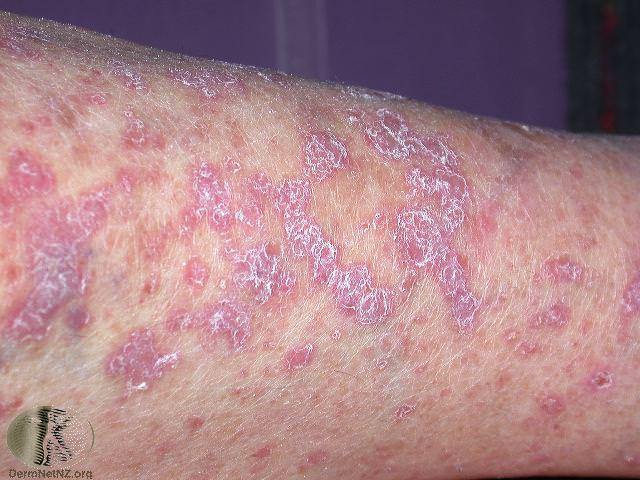
Characterized by shiny, flat-topped, firm papules, Lichen Planus is known for its classic “6 Ps”: Planar (flat-topped), Purple, Polygonal, Pruritic (itchy), Papules, and Plaques. While it is not contagious or cancerous, its persistence can significantly impact a patient’s quality of life. Our mission is to provide clarity and relief through personalized dermatological care.
The Various Faces of Lichen Planus
Lichen Planus is a “chameleon” in dermatology, manifesting in several distinct forms depending on the area affected:
1. Cutaneous Lichen Planus (Skin)
The most common form, typically appearing on the wrists, ankles, and lower back. It presents as itchy, purple-hued bumps that may have fine white lines on the surface known as Wickham Striae.
2. Oral Lichen Planus
Affecting the inside of the cheeks, gums, and tongue. It often appears as a white, lacy pattern (reticular) or, in more severe cases, painful erosions and ulcers that make eating difficult.
3. Lichen Planopilaris (Scalp)
This form targets the hair follicles. If left untreated, it can cause permanent scarring and hair loss (cicatricial alopecia). Early intervention is crucial to save the hair follicles.
4. Nail Lichen Planus
Impacts one or several nails, causing thinning, ridging, splitting, or in severe cases, the total loss of the nail plate (pterygium formation).
5. Inverse Lichen Planus
Occurs in skin folds, such as the armpits, groin, or under the breasts. Unlike the typical dry bumps, this version usually appears as bright red, irritated patches.
Identifying the Symptoms
Symptoms vary by type but generally include:
- Intense Itching: Often most severe at night.
- Purplish Bumps: Flat-topped lesions that may coalesce into larger plaques.
- Wickham Striae: Lacy, white microscopic lines visible on the surface of the lesions.
- Blisters: In rare cases (Bullous Lichen Planus), fluid-filled sacs may form.
- Pain/Burning: Specifically in oral or genital Lichen Planus.
Causes and Triggers: Why Does it Happen?
The exact cause of Lichen Planus remains a subject of ongoing research, but it is widely accepted as an autoimmune-mediated process. T-cells (a type of white blood cell) become overactive and attack a protein in the skin and mucosal keratinocytes.
| Factor | Description |
| Genetics | A family history can sometimes predispose individuals. |
| Viral Infections | There is a documented link between Hepatitis C and Lichen Planus. |
| Medications | Certain drugs for high blood pressure, heart disease, and arthritis can trigger “Lichenoid reactions.” |
| Allergens | Metal fillings (mercury) in the mouth can sometimes trigger oral flares. |
| Stress | While not a direct cause, emotional stress is a known catalyst for flare-ups. |
Effects on Quality of Life
Beyond the physical discomfort, It can have secondary effects:
- Post-Inflammatory Hyperpigmentation (PIH): Even after the bumps heal, they often leave behind dark brown or gray spots that can take months to fade.
- Scarring: Particularly on the scalp or nails.
- Nutritional Deficiencies: Painful oral lesions may lead to a restricted diet.
- Psychological Impact: The visible nature of the rash and chronic itching can lead to anxiety and social withdrawal.
Advanced Treatment Options at Grazia Skin Clinic
At Grazia Skin Clinic, we utilize a multi-pronged approach to manage Lichen Planus, focusing on reducing inflammation and speeding up the healing process.
Topical Therapies
- Corticosteroids: High-potency ointments or creams to reduce swelling and redness.
- Calcineurin Inhibitors: Non-steroidal creams (like Tacrolimus) especially useful for sensitive areas like the face or skin folds.
Systemic Treatments
For widespread or resistant cases, we may prescribe:
- Oral Corticosteroids: To quickly bring a severe flare under control.
- Retinoids: Synthetic forms of Vitamin A that help shed skin cells and reduce inflammation.
- Immunosuppressants: Medications that help “calm” the overactive immune system.
Advanced Procedures
- Phototherapy (PUVA/Narrowband UVB): Using specific wavelengths of light to treat the skin, which is highly effective for generalized Lichen Planus.
- Intralesional Injections: Injecting steroids directly into thick or stubborn plaques.
Aftercare and Long-Term Management
Managing it is a marathon, not a sprint. Proper aftercare ensures longer periods of remission:
- Moisturize Regularly: Keep the skin barrier strong to prevent irritation.
- Gentle Cleansing: Avoid harsh soaps or scrubs that can trigger the Koebner Phenomenon (where new lesions form at the site of skin injury).
- Oral Hygiene: For oral LP, use mild toothpaste and avoid spicy, acidic, or “sharp” foods (like chips) that can tear the mucosa.
- Sun Protection: While light therapy helps, natural sunburn can worsen the condition.
- Stress Management: Incorporate yoga, meditation, or therapy to keep systemic stress levels low.
A Note from Grazia Skin Clinic: > Lichen Planus is a complex condition, but you don’t have to manage it alone. Our specialist dermatologists are dedicated to creating a customized roadmap for your skin health. Whether it’s your first flare-up or a long-term struggle, we are here to provide the relief you deserve.