Introduction to Milia on the Face
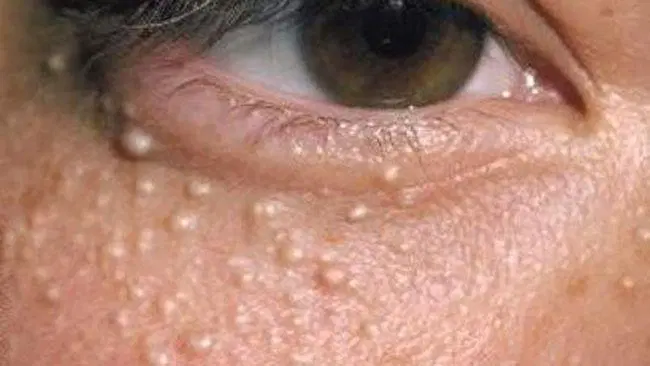
Milia are tiny, raised, white or pearly-yellow dome-shaped cysts that commonly form on the face, particularly around the delicate eye area, cheeks, nose, and forehead. Often referred to as “milk spots,” these stubborn keratin-filled cysts develop when dead skin cells become trapped beneath the surface rather than shedding naturally.
During the monsoon season, high humidity and environmental stressors often trigger or exacerbate skin issues. Increased sweating combined with heavy, occlusive skincare products creates ideal conditions for keratin accumulation beneath the epidermis. Attempting home extractions by popping or scratching milia risks skin trauma, scarring, and secondary infections. Grazia Skin Clinic provides specialized, dermatologically guided treatments designed to safely clear milia while restoring long-term skin vitality.
Causes and Types of Milia
- Primary Milia: The most prevalent type, developing directly from trapped keratin in hair follicles or sweat glands without prior skin damage.
- Secondary (Traumatic) Milia: Occurs following skin trauma, such as burns, blistering, aggressive cosmetic procedures, or prolonged exposure to heavy topical corticosteroids.
- Monsoon-Induced Flares: High atmospheric humidity slows the natural exfoliation cycle, causing dead skin flaking to mix with sweat and trap beneath the epidermal surface.
- Heavy Occlusive Products: Using overly rich eye creams, oil-based sunscreens, or heavy makeup clogs the skin barrier and prevents proper shedding.
- Sun Damage: Excessive exposure to UV rays thickens the outer layers of the skin, making cell turnover more difficult.
Professional Treatments at Grazia Skin Clinic
At Grazia Skin Clinic, every treatment plan begins with a thorough dermatological consultation to evaluate skin condition, depth of keratin retention, and underlying skin type.
- Sterile De-roofing and Manual Extraction: A dermatologist uses a micro-lancet to create a microscopic opening in the cyst before gently lifting out the hardened keratin core.
- Chemical Peels: Custom-formulated Alpha-Hydroxy Acid (AHA) and Beta-Hydroxy Acid (BHA) peels (such as glycolic and salicylic acids) accelerate cellular turnover and break down trapped debris.
- Advanced Laser Therapy: Micro-targeted laser energy breaks down persistent or widespread milia without damaging surrounding healthy tissue.
- Electrocautery / Cryotherapy: Precision thermal or cold treatments gently destroy target cysts, allowing them to slough off naturally over several days.
Essential Aftercare and Prevention
To maintain clear skin and prevent recurrent milia after professional treatment, follow a structured post-care routine:
- Avoid Picking or Touching: Never attempt home extractions; let the treated areas heal naturally without picking at minor scabs.
- Switch to Lightweight, Non-Comedogenic Products: Use gel-based hydrators and oil-free sunscreens, especially during high-humidity periods like the monsoon.
- Incorporate Gentle Exfoliation: Introduce mild chemical exfoliants (AHA/BHA) 1–2 times weekly to promote ongoing cell renewal.
- Apply Topical Retinoids: Under dermatological guidance, night-time retinoid use speeds up skin turnover to prevent keratin accumulation.
- Wear Broad-Spectrum Sunscreen: Protect healed skin with a non-greasy, broad-spectrum SPF 30+ daily.
Conclusion
Milia can be persistent, but with professional dermatological care, achieving smooth, clear skin is entirely straightforward. Grazia Skin Clinic delivers tailored extractions, chemical peels, and laser solutions designed to treat milia safely without scarring. Book a consultation today to transform your skin health.