
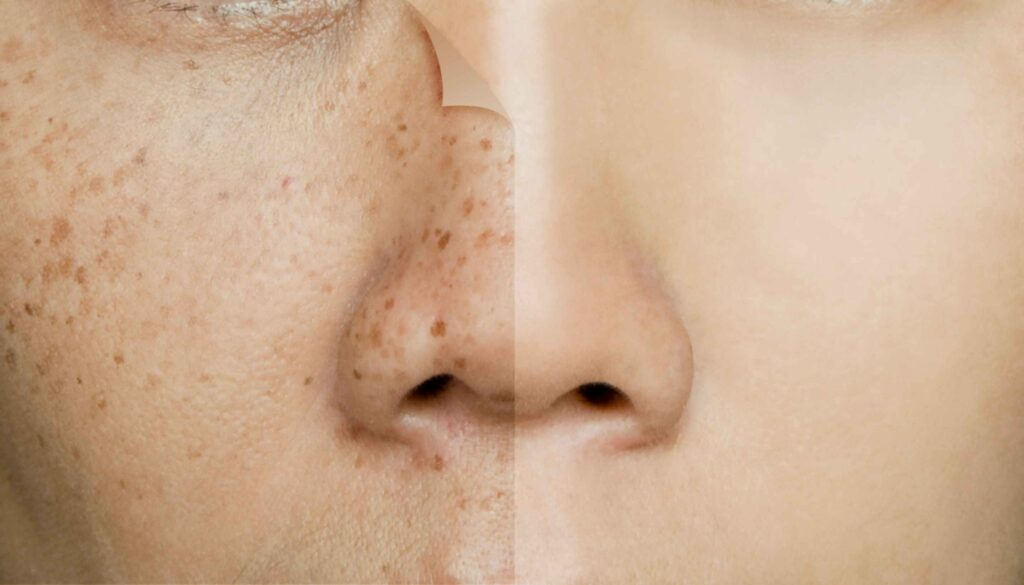
Comprehensive Study on Freckle Removal Treatments
Freckles, though often considered a charming facial feature, are a form of hyperpigmentation that many individuals seek to lighten or remove for a more uniform skin tone. This study explores the biological origins of freckles and the evolving landscape of dermatological interventions available in 2026.
1. Introduction
Freckles (scientifically known as ephelides) are small, concentrated spots of melanin that appear on the skin, most commonly in individuals with fair complexions. While they are benign (non-cancerous), their prevalence is dictated by a combination of genetic predisposition and ultraviolet (UV) exposure. Modern aesthetic medicine has transitioned from simple topical bleaching to advanced energy-based devices that target pigment at a cellular level.
2. Causes of Freckles
The development of freckles is primarily driven by two factors:
- Genetics: The MC1R gene variant is the primary instructor for how skin produces melanin. People with certain variations of this gene produce more pheomelanin (red/yellow pigment) than eumelanin (brown/black pigment), making them more prone to freckling.
- UV Exposure: Melanin acts as a natural sunscreen. When UV rays hit the skin, melanocytes (pigment-producing cells) go into overdrive to protect the DNA in skin cells, resulting in the darkening or appearance of new freckles.
3. Symptoms and Characteristics
Freckles are easily distinguished from other pigmentary issues like lentigines (age spots) or melasma by the following traits:
- Color: Typically tan, light brown, or reddish.
- Shape: Flat, circular, or irregular patches with well-defined edges.
- Behavior: They often darken or increase in number during summer months and fade significantly during winter.
- Location: Most prevalent on sun-exposed areas like the face, shoulders, arms, and décolletage.
4. Psychological and Physical Effects
While freckles do not pose a physical health risk, they can have significant effects:
- Cosmetic Concern: Many patients report a “mottled” appearance that they feel obscures their natural skin texture.
- Indicator of Sun Damage: While the freckle itself isn’t dangerous, a high density of freckles indicates a high lifetime UV load, which increases the risk of developing skin cancers like melanoma.
5. Treatment Modalities
There is no “one-size-fits-all” approach. Treatments range from non-invasive topicals to clinical procedures:
| Treatment Type | Mechanism | Effectiveness |
| Laser Therapy | Uses specific wavelengths (e.g., Q-switched or Picosure) to shatter pigment. | High; usually requires 1–3 sessions. |
| Intense Pulsed Light (IPL) | Broad-spectrum light targets brown spots without damaging the surface. | Moderate to High; great for overall rejuvenation. |
| Chemical Peels | Uses Alpha Hydroxy Acids (AHAs) or TCA to exfoliate the top pigmented layers. | Moderate; requires a series of treatments. |
| Cryotherapy | Liquid nitrogen “freezes” the freckle, causing it to peel off. | High for individual spots; risk of scarring. |
| Topical Retinoids | Increases cell turnover to gradually fade surface pigment. | Low to Moderate; takes months to show results. |
6. Aftercare and Maintenance
Post-treatment care is critical to prevent “rebound” pigmentation:
- Strict Photoprotection: Use a broad-spectrum SPF 50+ daily. Even one day of unprotected sun exposure can trigger the return of freckles.
- Soothing Agents: Use aloe vera or thermal water to reduce post-laser heat.
- Avoid Irritants: Skip harsh scrubs or Vitamin C serums for at least 7 days post-procedure.
- Hydration: Keep the skin barrier intact with ceramides and hyaluronic acid.