
Introduction: Understanding Your Skin’s Ecosystem
To treat a fungal infections effectively, one must first understand what it is: a biological invasion of the “outer wall.” Our skin is protected by a protein called Keratin. While Keratin makes our skin tough and waterproof, it is also the primary food source for a group of fungi known as Dermatophytes.
At Grazia Skin Clinics, we explain to our patients that fungal infections aren’t a sign of “being dirty.” Rather, it is a sign that the skin’s environment has become too hospitable—usually too warm and too damp—allowing these opportunistic organisms to colonize the surface. Unlike bacteria, fungi grow in thread-like structures called hyphae, which dig into the skin layers, making them notoriously difficult to remove with simple washing.
Symptoms: How the Infection “Speaks”
Fungal infections are unique because they are “active” colonizers. They don’t just sit on the skin; they spread outward in search of more food (Keratin).
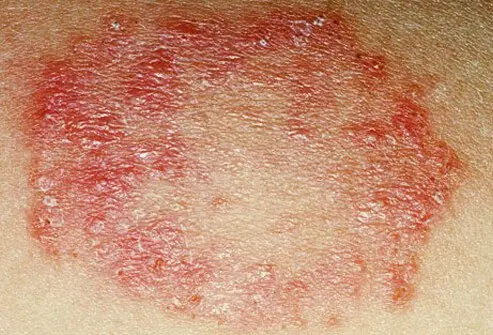
- The Expanding Ring:This is perhaps the most recognizable sign of infection. Interestingly, the center often appears to heal while the outer edge remains red and scaly. This occurs because the fungus has already consumed the keratin in the central area and is consequently migrating outward in search of fresh, nutrient-rich skin.
- The “Soggy” Skin (Maceration): In moisture-prone areas such as the toe webs, the skin typically turns white and soft. Furthermore, this transformation happens because the fungus actively breaks down the skin’s natural protective barrier; as a result, external moisture is allowed to seep in, leading to tissue saturation.
- The Unrelenting Itch: A hallmark of fungal growth is the intense discomfort it causes. Specifically, fungi release specialized enzymes to digest keratin, and in doing so, they irritate the underlying nerve endings. This leads directly to the classic “burning itch” commonly associated with conditions like Jock Itch or Athlete’s Foot.
- Color Shifts: Beyond physical texture, some fungi can interfere with your skin’s internal chemistry. In particular, they disrupt melanin (pigment) production; consequently, this leaves behind white or dark patches that fail to tan even when exposed to the sun.
Types: Where the Fungus Hides
Fungi are named based on the “terrain” they occupy.
| Clinical Name | Common Name | The “Why” Behind It |
| Tinea Pedis | Athlete’s Foot | Thrives in the dark, sweaty vacuum of shoes. |
| Tinea Cruris | Jock Itch | Targets high-friction, high-moisture skin folds. |
| Tinea Corporis | Ringworm | Can appear anywhere on the body, often from pets or gym mats. |
| Onychomycosis | Nail Fungus | Digs deep under the nail plate where creams can’t easily reach. |
| Tinea Capitis | Scalp Fungus | Attacks the hair shaft, often causing temporary “bald patches.” |
Treatment: The Scientific “Kill” Strategy
At Grazia Skin Clinics, we use a multi-step medical approach. where we cannot just “kill” the fungus; we also removes its food source and fix the environment.
1. Breaking the Cell Wall (Antifungals)
Fungi have a specific protective wall made of ergosterol. Our medical-grade creams (like Ketoconazole or Luliconazole) are designed to punch holes in this wall. Once the wall is broken, the fungus dies.
2. Oral “Internal” Defense
For deep-seated infections (like nails or scalp), creams cannot penetrate deep enough. We prescribe oral tablets (like Terbinafine or Itraconazole). These medications travel through your blood and are deposited directly into the new skin and hair as they grow, “poisoning” the food supply for the fungus.
3. Clearing the Debris (Keratolytics)
Fungi hide under thick scales of dead skin, we use Salicylic Acid. This “peels” away the infected dead skin, ensuring the antifungal medicine reaches the living fungus underneath.
Aftercare: Preventing the “Rebound”
Fungi produce Spores—the biological equivalent of “armored seeds.” These spores can live in your socks, towels, or floor mats for months, waiting for a drop of sweat to regrow.
- The 2-Week Rule: A common mistake is stopping treatment as soon as the rash disappears. However, it is medically vital that you continue applying your cream for at least 14 days after the skin appears normal. By doing so, you effectively kill the “hidden” spores that have not yet hatched, preventing a rapid relapse.
- Dryness as a Weapon: It is important to remember that fungi cannot survive, let alone grow, on dry skin. Consequently, after showering, you should use a dedicated towel exclusively for the infected area—or even a hairdryer on a cool setting—to ensure that absolutely no moisture remains in the skin folds.
- Heat Sterilization (Ironing): Standard washing cycles are often insufficient to remove contamination from fabrics. Therefore, ironing your clothes is highly recommended, as the high heat from a clothes iron is one of the few methods that can effectively neutralize fungal spores trapped deep within the fibers of cotton socks and underwear.
- Strict Hygiene (No Sharing): Because fungal infections are highly contagious, prevention must extend to your household. Specifically, you must avoid sharing personal items such as towels, razors, or soap bars; furthermore, maintaining this separation is the most effective way to protect your family members from cross-contamination.
Conclusion: A Strategy for Success
Fungal infections are biological persistence test. If you treat it half-heartedly, it will return. At Grazia Skin Clinic, we provide the diagnostic precision to know exactly which fungus we are fighting. By combining the right medication with a “zero-moisture” lifestyle, we ensure that the infection is not just suppressed, but completely eradicated. Healthy skin is dry, intact, and fungus-free.
https://my.clevelandclinic.org/health/diseases/24401-fungal-infections-mycosis