Advanced Scar Removal: A Comprehensive Guide
The Science of Renewal: A Comprehensive Guide to Advanced Scar Removal at Grazia Clinic
Scars are more than just marks on the skin; they are biological records of repair. While the body’s ability to heal itself is a marvel, the resulting scar tissue can often lead to self-consciousness, physical discomfort, or a reminder of past trauma. At Grazia Skin Hair & Laser Clinic, we view scar removal not just as a cosmetic procedure, but as a journey to restoring both skin integrity and personal confidence.
This comprehensive study explores the pathophysiology of scarring, the advanced modalities used for treatment, expected biological reactions, and the rigorous aftercare required to achieve clinical excellence.
1. Understanding the Biological Study of Scars
To treat a scar, one must understand how it forms. When the dermis (the deep, thick layer of skin) is damaged, the body produces collagen fibers to close the wound. Because the body prioritizes speed over aesthetic perfection, this new tissue has a different texture and quality than the surrounding skin.
The Three Phases of Scarring
- Inflammation (Days 1–4): The body sends white blood cells to the site to fight infection and clear debris.
- Proliferation (Days 4–21): Fibroblasts produce collagen to bridge the gap. In this stage, the scar is often red and raised.
- Maturation (21 Days – 2 Years): The body attempts to “remodel” the collagen. If the body produces too much collagen, a Keloid or Hypertrophic scar forms. If too little is produced, an Atrophic (pitted) scar occurs.
Types of Scars Treated at Grazia
- Atrophic Scars: Common in acne or chickenpox survivors; these look like sunken pits.
- Hypertrophic Scars: Raised, red scars that stay within the boundary of the original injury.
- Keloid Scars: Thick, puckered growths that expand beyond the original wound boundaries.
- Contracture Scars: Often resulting from burns, these scars tighten the skin and can impair movement.
2. Advanced Treatment Modalities
At Grazia, we utilize a multi-pronged approach based on the latest dermatological research.
CO2 Fractional Laser Therapy
The gold standard for deep remodeling. The laser creates microscopic “columns” of thermal injury in the skin, leaving the surrounding tissue intact. This triggers a massive “healing response,” forcing the body to replace old, fibrotic scar tissue with fresh, organized collagen.
MNRF (Microneedling Radiofrequency)
This study-backed method combines physical needle penetration with thermal energy. By delivering heat directly into the dermis, it breaks down the tough “tethers” of acne scars and stimulates tightening.
Chemical Reconstruction (TCA CROSS)
Specifically for “ice-pick” scars, high-concentration Trichloroacetic Acid is applied locally to the base of the scar to induce inflammation and subsequent collagen fill-up.
3. Key Benefits of Professional Scar Removal
- Texture Refinement: Significant smoothing of the skin surface, reducing the “orange peel” or pitted look.
- Pigmentation Correction: Treatment helps blend the scar’s color (red or dark brown) with the natural skin tone.
- Improved Mobility: For contracture scars, treatment softens the tissue, restoring range of motion.
- Psychological Well-being: Clinical studies consistently show that scar revision improves self-esteem and reduces social anxiety.
- Permanent Results: Unlike topical creams, clinical treatments change the structural composition of the dermis for long-lasting improvement.
4. Biological Reactions & What to Expect
Healing is a process, not an event. Depending on the treatment (Laser vs. MNRF), the skin will undergo specific reactions:
Immediate Reactions (0–48 Hours)
- Erythema (Redness): This is a sign of increased blood flow to the area, bringing nutrients for repair.
- Edema (Swelling): A natural inflammatory response to the controlled “injury” created by the treatment.
- Micro-crusting: Small, pepper-like spots may appear as the treated tissue is pushed to the surface.
Delayed Reactions (3–7 Days)
- Desquamation (Peeling): Old skin cells shed to make way for new tissue.
- Itching: A common sign that the nerves and skin fibers are in the active repair phase.
5. Clinical Aftercare Protocol
The success of a scar removal procedure is 50% treatment and 50% aftercare.
- Sun Protection (Non-Negotiable): New skin is highly sensitive to UV. Post-treatment, sun exposure can cause PIH (Post-Inflammatory Hyperpigmentation), making the scar look darker. Use SPF 50+ daily.
- Moisturization: Keep the area “occluded” (moist). Use ceramide-based creams or thin layers of antibiotic ointment as prescribed to prevent scabs from drying out and cracking.
- Hands-Off Policy: Never pick at crusts. Premature removal of crusts can lead to secondary scarring.
- Avoid Irritants: For 7 days, avoid Retinols, Vitamin C, or harsh exfoliating acids.
- Stay Hydrated: Collagen synthesis requires water. Internal hydration speeds up the cellular turnover rate.
Conclusion: Reclaiming Your Skin
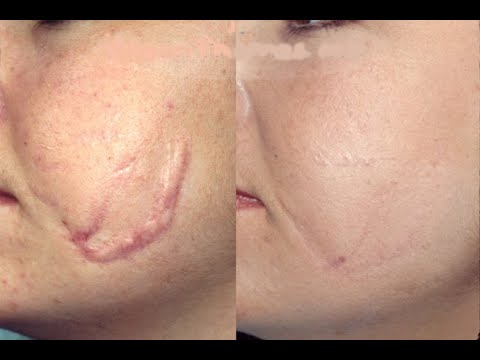
Scar removal is a sophisticated blend of art and science. While no scar can be “erased” 100%, modern technology allows us to make them nearly invisible to the naked eye. At Grazia Skin Hair & Laser Clinic, our protocols are rooted in clinical studies to ensure safety and visible results.
Ready to start your skin transformation?
📞 Contact us: 7428990040, 9667930040
📍 Location: B-100, Lower Ground, Dayanand Colony, Lajpat Nagar 4, New Delhi-110024