Laser Skin Resurfacing
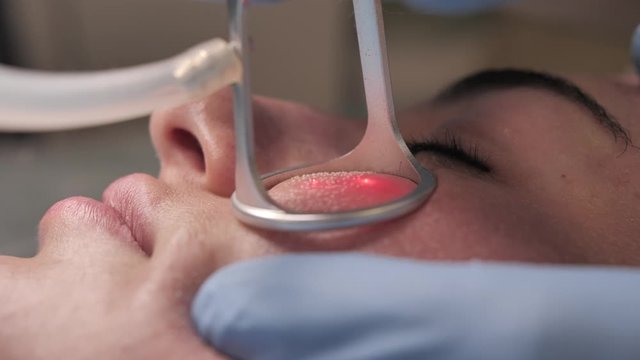
This advanced laser skin resurfacing treatment uses concentrated beams of light to remove damaged skin layer by layer with microscopic precision. It stimulates the production of new collagen and fresh skin cells, effectively “resetting” your complexion.
- Best for: Acne scars, deep wrinkles, sun spots, and uneven skin texture.
- Result: Dramatically smoother, tighter, and more radiant skin that looks years younger.
The Science of Radiance: A Comprehensive Guide to Laser Skin Resurfacing
Laser Skin Resurfacing has revolutionized the field of aesthetic medicine, offering a high-tech solution for those seeking to “reset” their skin’s clock. Whether you are dealing with the aftermath of severe acne, persistent sun damage, or the natural progression of fine lines, laser technology provides a level of precision that topical creams and traditional facials simply cannot match.
At Grazia, we view Laser Resurfacing as a controlled architectural renovation of the skin—removing damaged structures to make way for a stronger, smoother, and more youthful foundation.
1. Understanding the Process: How It Works
The fundamental theory behind laser skin resurfacing is Fractional Photothermolysis. This sounds complex, but the concept is beautifully simple: use light energy to create microscopic “injuries” in the skin that trigger the body’s natural healing response.
The Technology
There are two primary types of lasers used in resurfacing:
- Ablative Lasers (e.g., $CO_2$ or Erbium): These are more intensive. They remove the outer layer of skin (epidermis) while heating the underlying dermis to stimulate collagen.
- Non-Ablative Lasers: These are gentler and keep the skin surface intact. They work by heating the deeper layers to trigger repair without “wounding” the surface.
The Step-by-Step Procedure
- Preparation: The skin is thoroughly cleansed, and a topical numbing cream is applied to ensure maximum comfort. Protective eyewear is provided to shield your eyes from the laser light.
- The Laser Pass: The specialist moves the laser wand across the target area. The device delivers rapid pulses of light. You might feel a sensation similar to a rubber band snapping against the skin or a localized feeling of heat.
- Collagen Induction: As the laser penetrates the tissue, it breaks down old, damaged collagen fibers and stimulates fibroblasts to produce new, organized collagen and elastin.
- Cooling & Soothing: Immediately after the procedure, cooling gels or cold air are applied to soothe the “sunburned” sensation.
2. The Benefits: Why Choose Laser skin Resurfacing?
The results of laser skin resurfacing are often described as “transformative” because they address multiple concerns simultaneously.
Elimination of Texture Issues
Laser resurfacing is the gold standard for treating acne scars (pitted or boxcar scars). By vaporizing the scarred tissue and forcing new skin to grow in its place, the depth of scars is significantly reduced, leading to a smoother complexion.
Pigmentation and Sun Damage
Years of UV exposure lead to “photo-aging”—sun spots, freckles, and uneven skin tone. The laser targets the melanin in these dark spots, breaking it down so the body can naturally shed it, revealing bright, even-toned skin underneath.
Fine Lines and Wrinkles
By stimulating the production of Type I collagen, the laser effectively “plumps” the skin from within. This is particularly effective for:
- Crow’s feet around the eyes.
- Vertical lines around the mouth (smoker’s lines).
- General skin laxity.
Pore Size Reduction
As the skin becomes firmer and more elastic due to new collagen, the appearance of enlarged pores is significantly minimized, giving the skin a “filtered” look.
3. Essential Precautions & laser resurfacing Aftercare
Because Laser Resurfacing is a clinical-grade procedure, the “healing” phase is just as important as the treatment itself.
Pre-Treatment Precautions
- Sun Avoidance: You must avoid tanning (natural or spray-on) for at least 2–4 weeks before your session. Tanned skin increases the risk of unwanted pigmentation changes.
- Product Pause: Stop using active ingredients like Retinols, Glycolic Acid, or Salicylic Acid 5 days prior to treatment to avoid over-sensitizing the skin.
- Medication Check: Inform your specialist if you are prone to cold sores, as the heat from the laser can trigger an outbreak (preventative medication is usually prescribed).
Post-Treatment Aftercare (The Recovery Phase)
- The “Sunburn” Phase: For the first 24–48 hours, your skin will feel hot and look red. Use only the gentle cleansers and recovery balms recommended by Grazia.
- Strict SPF Protection: Your “new” skin is incredibly vulnerable to UV rays. A broad-spectrum SPF 50 is non-negotiable every single day, even if you are indoors.
- Hands Off: As the skin heals, it may flake or peel. Do not pick or scrub the skin. Let the dead skin shed naturally to avoid scarring or permanent redness.
- Hydration: Drink plenty of water and use hyaluronic acid-based serums to keep the skin barrier hydrated from the inside out.
4. Expected Results
While some glow is visible within a week, the “true” results of Laser Resurfacing appear at the 3 to 6-month mark. This is because collagen remodeling is a slow biological process. With proper sun protection, the results of a single course of treatment can last for years.