Introduction: The Monsoon-Acne Connection
The arrival of the monsoon brings welcome relief from scorching summer heat, but for individuals prone to severe acne, high humidity and elevated temperatures present a major challenge. During the rainy season, the ambient air becomes saturated with moisture. This atmosphere triggers a cascade of physiological responses in human skin, leading to flare-ups, painful nodulocystic breakouts, and widespread inflammation.
At Grazia Skin Clinic, our dermatologists treat an influx of clients suffering from sudden monsoon-induced skin congestion. Understanding why the rainy season exacerbates skin conditions is the first step toward achieving a clear, healthy complexion.
Why Humidity Triggers Severe Breakouts
- Hyper-Seborrhea (Excess Oil Production): High humidity prevents sweat from evaporating efficiently. The mix of trapped perspiration and atmospheric heat signals your sebaceous glands to overproduce sebum.
- Follicular Occlusion: Increased environmental dust, industrial pollutants, and rainwater contaminants blend with excess surface oil. This creates a thick paste that obstructs open pores and traps dead skin cells deep within hair follicles.
- Microbiome Imbalance: Elevated heat and trapped moisture create an optimal breeding ground for Cutibacterium acnes (C. acnes) bacteria and Malassezia yeast, accelerating the transition from mild congestion to deep, inflammatory papules and pustules.
- pH Alteration: Constant moisture alters the natural acidic mantle of the skin, lowering its natural protective barriers against opportunistic external pathogens.
Understanding Severe Acne During the Monsoon
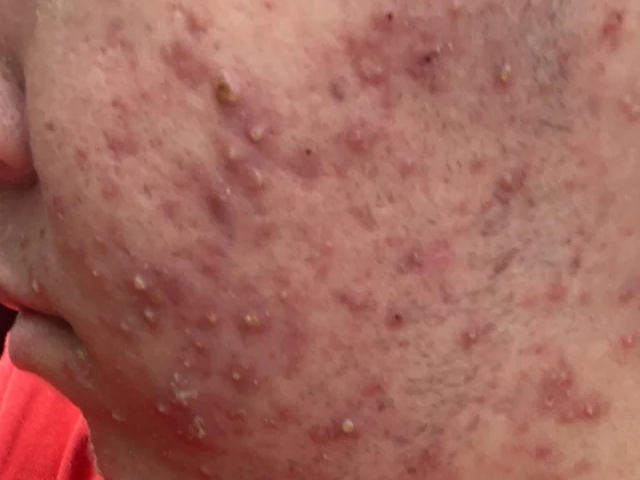
Severe acne is more than an occasional surface whitehead or blackhead. During high-humidity months, micro-comedones rapidly evolve into deeper, structural lesions.
Common Forms of Monsoon-Induced Severe Acne
- Papules & Pustules: Tender, red, elevated bumps that frequently fill with purulent fluid due to localized bacterial infection.
- Nodular Acne: Rigid, painful, solid lesions buried deep beneath the cutaneous layer. These lack a distinct central pore and can persist for weeks without professional medical intervention.
- Cystic Acne: The most severe iteration of acne, characterized by large, fluid-filled, highly inflammatory sacs beneath the skin. Cysts carry the highest risk of irreversible tissue damage and permanent post-inflammatory hyperpigmentation (PIH) or structural scarring.
- Fungal Acne (Pityrosporum Folliculitis): Frequently mistaken for standard bacterial acne, this condition manifests as uniform, highly itchy clusters of tiny bumps across the forehead, chest, and back, directly caused by humidity-loving yeast overgrowth.
Advanced Severe Acne Treatments at Grazia Skin Clinic
At Grazia Skin Clinic, we utilize evidence-based, clinical-grade medical treatments customized to target the root causes of severe monsoon acne.
| Treatment Modality | Targeted Mechanism | Expected Clinical Outcome |
| Salicylic & Mandelic Chemical Peels | Lipophilic beta-hydroxy acid deep-pore exfoliation | Dissolves internal follicular plugs, controls excess sebum, and reduces surface bacterial density. |
| Medical Comedone Extraction | Sterile manual evacuation of deep follicular debris | Prevents closed comedones from rupturing into painful inflammatory cysts. |
| Advanced LED Phototherapy | Blue light ($415\text{ nm}$) targets bacteria; Red light ($633\text{ nm}$) reduces inflammation | Neutralizes C. acnes without thermal injury while accelerating tissue recovery. |
| Q-Switched Laser & IPL Therapy | Thermal disruption of vascular lesions and sebaceous gland hyper-reactivity | Calms severe erythema, shrinks overactive oil glands, and fades post-acne redness. |
| Intralesional Corticosteroid Injections | Directed anti-inflammatory action straight into deep cysts | Dramatically reduces deep cystic swelling and acute pain within 24–48 hours. |
| Targeted Prescription Pharmacotherapy | Oral retinoids, short-course anti-inflammatories, or hormonal modulators | Systemically halts sebum hyper-secretion and regulates keratinocyte turnover. |
Comprehensive Post-Treatment Care & Monsoon Home Protocol
Medical treatments deliver optimal results when paired with strict home care tailored to humid environments.
Essential Post-Care Guidelines
- Gentle Cleansing Routine: Wash your face twice daily using a pH-balanced, non-comedogenic cleanser containing low-concentration salicylic acid or tea tree extract. Avoid abrasive physical scrubs, which cause micro-tears and spread active infection.
- Oil-Free Hydration: Moisture is essential, even for oily skin. Use lightweight, gel-based, hyaluronic acid hydrators rather than heavy emollients or occlusive creams.
- Broad-Spectrum Sun Protection: Rain clouds do not block UV radiation. Apply a gel-based or matte-finish, fluid sunscreen daily to prevent post-inflammatory hyperpigmentation (PIH).
- Hands-Off Policy: Never attempt to pick, pop, or squeeze inflammatory nodules or cysts at home. Doing so forces bacteria deeper into the dermis, increasing the likelihood of permanent scarring.
- Hygiene & Environmental Control: Change pillowcases every two days, sanitize mobile phone screens daily, and keep rain-soaked hair away from the face.
Regain Your Confidence with Grazia Skin Clinic
Severe acne breakouts during the monsoon require specialized medical care rather than over-the-counter quick fixes. At Grazia Skin Clinic, our team of experienced dermatologists combines modern technology with personalized treatment plans designed to clear active acne, prevent scarring, and restore your skin’s natural health.
Ready to start your journey to clear skin?
Contact Grazia Skin Clinic today to schedule your personalized monsoon acne consultation.