
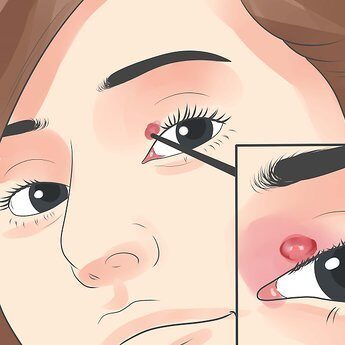
An eyelid cyst, most commonly referred to as a chalazion or a hordeolum (stye), is a common inflammatory condition of the eyelid. While often confused, they differ slightly in their clinical presentation and cause.
1. Symptoms: what is cyst,How to Identify an Eyelid Cyst
Symptoms can vary depending on whether the cyst is an acute infection or a chronic blockage.
- Localized Swelling: A firm, round lump on the upper or lower eyelid.
- Tenderness: Styes are typically very painful and sore to the touch, whereas chalazia are often painless or cause a dull ache.
- Redness and Inflammation: The skin around the lump may appear red and feel warm.
- Increased Tearing: The irritation can cause the eye to water excessively.
- Blurred Vision: If the cyst grows large enough, it can press against the eyeball, slightly distorting vision.
- Eyelid Heaviness: A sensation that the eyelid is weighted down.
2. Causes: Why Do cyst Form?
The primary cause of these cysts is the obstruction of the oil-producing glands located near the eyelashes.
- Meibomian Gland Dysfunction (MGD): A blockage in the meibomian glands, which produce the oil layer of tears. When the oil becomes too thick, it clogs the duct, leading to a chalazion.
- Bacterial Infection: Usually caused by Staphylococcus bacteria infecting a hair follicle or an oil gland, resulting in a stye.
- Blepharitis: Chronic inflammation of the eyelid margins, often linked to skin conditions like rosacea or seborrheic dermatitis.
- Poor Hygiene: Touching eyes with unwashed hands or leaving eye makeup on overnight can trap bacteria and debris.
- Stress and Hormonal Changes: These can occasionally trigger changes in oil production, leading to more frequent blockages.
3. Clinical Study & Diagnosis
In a clinical setting, a healthcare provider will perform a slit-lamp examination to differentiate between types of cysts and rule out rarer conditions like sebaceous cell carcinoma.
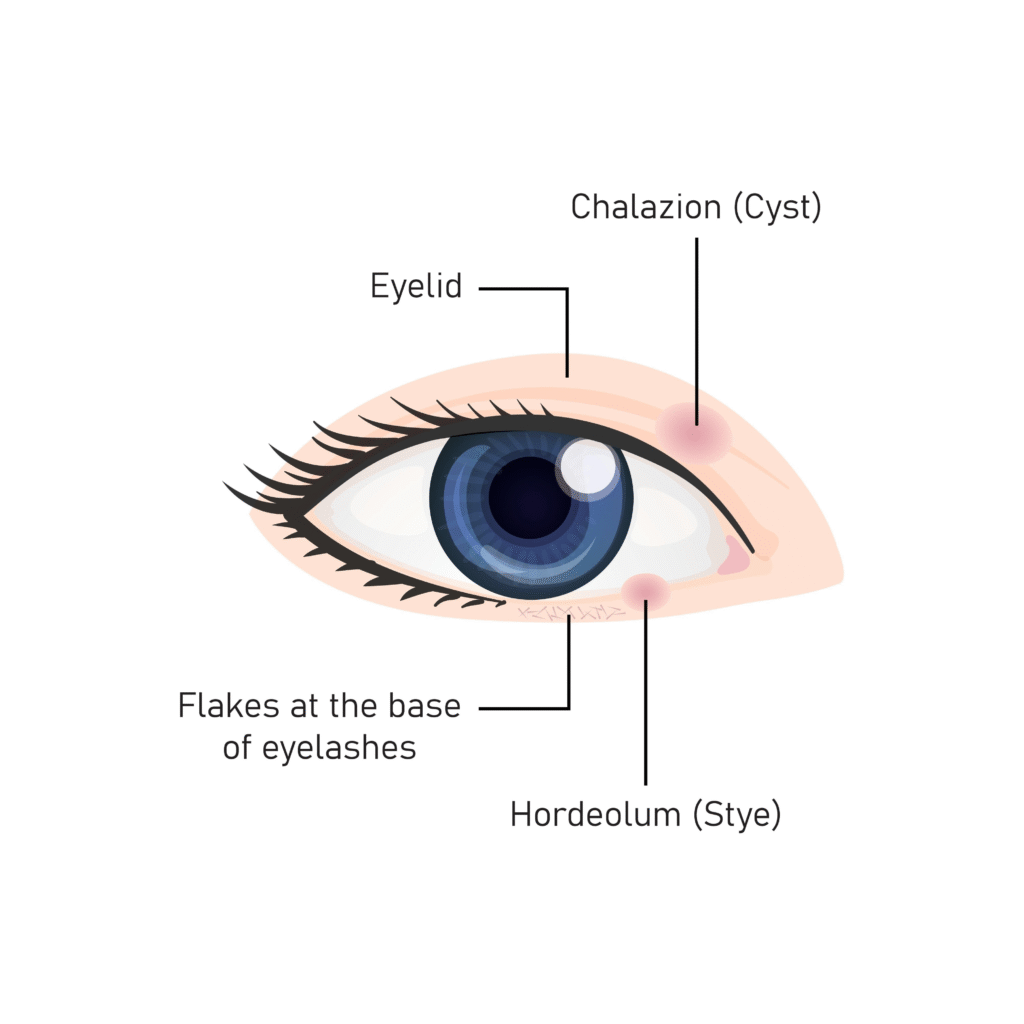
- Hordeolum (Stye): Usually located at the edge of the lid (external) or inside the lid (internal); acute onset.
- Chalazion: Usually located further back on the eyelid; slow-growing and non-infectious.
4. Treatment Options for cyst removal
Most eyelid cysts respond well to conservative home care, but persistent cases may require medical intervention.
Home Treatments (First Line of Defense)
- Warm Compresses: Apply a clean, warm (not hot) washcloth to the eye for 10–15 minutes, 4 times a day. This softens the hardened oil and encourages drainage.
- Gentle Massage: After the compress, use a clean finger to gently massage the area in a circular motion to help the duct open.
- Lid Hygiene: Clean the eyelid margins with diluted baby shampoo or specialized lid wipes.
Medical & Surgical Treatments
- Topical Antibiotics: Prescribed if a stye is secondary to a bacterial infection.
- Steroid Injections: A corticosteroid injection may be used to reduce significant inflammation in a persistent chalazion.
- Incision and Curettage: If the cyst does not resolve after several weeks, a minor surgical procedure is performed under local anesthesia to drain the contents.
Prevention Tips
- Wash your hands before touching your eyes or handling contact lenses.
- Replace eye makeup every 3–6 months to avoid bacterial buildup.
- Manage underlying skin conditions like rosacea or dandruff which contribute to blepharitis.
Types & Symptoms
- Hordeolum (Stye): An acute, painful bacterial infection of the oil glands or hair follicles at the eyelid margin, often presenting with redness and a visible “pus point.”
- Chalazion: A firm, usually painless lump caused by a non-infectious blockage of a Meibomian gland. It develops more slowly and is located further back from the lash line.
Primary Causes
- Gland Obstruction: Thickened oil (meibum) clogs the gland duct, leading to inflammation.
- Bacterial Overgrowth: Staphylococcus bacteria infecting the gland or follicle.
- Skin Conditions: Chronic issues like Blepharitis, Rosacea, or Seborrheic Dermatitis increase the risk of recurrence.
Effective Treatments
- Thermal Therapy: Applying consistent warm compresses (40°C–45°C) to liquefy blocked oils.
- Hygiene: Using eyelid scrubs to remove bacteria and debris from the lash line.
- Medical Intervention: For persistent cysts, treatments include topical antibiotics, steroid injections to reduce swelling, or a minor surgical procedure called Incision and Curettage.